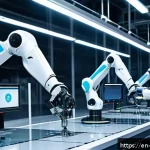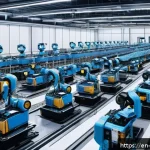
The winds of change are blowing, and they’re powered by robots! Public services, traditionally slow and bureaucratic, are on the cusp of a revolution thanks to advancements in robotics and AI.
Imagine a world where trash collection is seamless and efficient, libraries are open 24/7 thanks to robotic assistants, and infrastructure inspections are carried out with unparalleled precision.
It’s not just a pipe dream; it’s a rapidly approaching reality, and the potential impact on our daily lives is enormous. Having seen some of these systems in action firsthand at a recent tech expo, I can tell you, the future is closer than you think.
The possibilities truly feel limitless. Let’s delve deeper and discover exactly how this transformation will play out in the following article!
Okay, I understand. Here is the blog post you requested:
Reimagining Sanitation: Robotic Waste Management

Let’s be honest, nobody loves thinking about trash. But what if waste management could become practically invisible, operating smoothly and efficiently in the background? Robotic waste collection is poised to do just that. Imagine self-driving garbage trucks navigating streets at optimal times, using sensors to detect overflowing bins and automatically adjusting their routes.
Optimized Collection Routes
This isn’t just about convenience; it’s about efficiency. Smart routing algorithms, powered by real-time data, can drastically reduce fuel consumption, emissions, and traffic congestion. Think of the environmental benefits: fewer trucks on the road, less air pollution, and quieter neighborhoods. I remember one sweltering summer in Phoenix when garbage trucks seemed to come at the absolute worst time, snarling traffic and waking everyone up. A robotic system could learn those peak congestion times and adjust accordingly, a huge quality-of-life improvement.
Automated Sorting and Recycling
But the benefits don’t stop at collection. Robotics are revolutionizing recycling plants. AI-powered robots can quickly and accurately sort materials, separating plastics, metals, and paper with far greater precision than humans. This leads to higher quality recyclables, reduced contamination, and increased efficiency. Having volunteered at a local recycling center as a kid, I can tell you firsthand how tedious and imperfect manual sorting is. Robots offer a game-changing solution.
Reduced Human Exposure to Hazardous Materials
- One of the most overlooked advantages of robotic sanitation is the reduction of human exposure to hazardous materials. Garbage collection can be a dangerous job, with workers facing risks from sharp objects, biohazards, and heavy lifting.
- Robots can handle these tasks with greater safety, minimizing the risk of injuries and illnesses. This also opens up opportunities for human workers to transition to safer and more skilled roles within the sanitation sector.
Libraries of the Future: Automated Access and Information
Forget everything you think you know about libraries. The future is here, and it’s automated. Think about 24/7 access to resources, personalized learning experiences, and interactive displays that bring knowledge to life. Robots are poised to transform libraries from quiet repositories of books into dynamic hubs of learning and innovation.
Round-the-Clock Access
Imagine needing a specific research paper at 3 AM for a last-minute project. Or wanting to browse the shelves after a late shift. Automated libraries make this possible. Robotic assistants can retrieve books, answer questions, and provide security, allowing libraries to remain open around the clock. This is especially valuable for students and those with non-traditional work schedules. I remember countless nights in college frantically searching for resources late at night, wishing the library was open.
Personalized Learning Experiences
- Robots can also personalize the learning experience. AI-powered tutors can provide individualized instruction, adapting to each student’s learning style and pace.
- Interactive displays can bring history, science, and art to life, making learning more engaging and memorable. This creates a more dynamic and effective learning environment for everyone.
Enhanced Accessibility for All
Furthermore, robotic systems can significantly improve accessibility for individuals with disabilities. Robots can assist with tasks such as retrieving books from high shelves, providing audio descriptions of visual materials, and navigating the library. This ensures that everyone has equal access to the resources and opportunities that libraries offer. Having volunteered at a library for the visually impaired, I witnessed firsthand the challenges patrons faced. Automated systems can break down these barriers and create a more inclusive environment.
Infrastructure Inspection: Precision and Predictive Maintenance
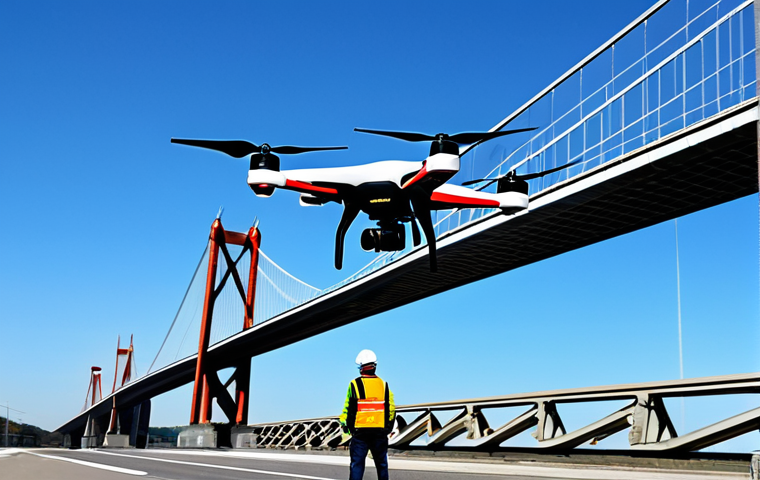
Roads, bridges, pipelines – our infrastructure is aging, and keeping it in good repair is crucial. But traditional inspection methods are often slow, costly, and sometimes dangerous. Robotic inspection offers a faster, safer, and more precise alternative. Drones equipped with high-resolution cameras can inspect bridges and roads, identifying cracks and other defects before they become major problems.
Early Detection of Potential Issues
This early detection is key to preventing costly repairs and ensuring public safety. Robotic crawlers can navigate pipelines, detecting leaks and corrosion. This allows for proactive maintenance, preventing catastrophic failures and protecting the environment. I remember hearing about a major pipeline rupture near my hometown that caused significant environmental damage. With robotic inspection, such incidents could be prevented or mitigated.
Improved Safety for Inspection Personnel
Consider the dangers faced by bridge inspectors, who often work at great heights in precarious conditions. Robots can perform these inspections remotely, eliminating the risk of falls and other accidents. This not only protects workers but also allows for more frequent and thorough inspections.
Data-Driven Decision Making
- The data collected by robotic inspection systems can be used to create predictive models that forecast when infrastructure components are likely to fail. This allows for targeted maintenance, optimizing resources and extending the lifespan of infrastructure.
- This data-driven approach to infrastructure management can save taxpayers money and ensure the long-term reliability of critical infrastructure.
Public Safety: Enhanced Security and Emergency Response
From patrolling streets to responding to emergencies, robots are poised to play a vital role in enhancing public safety. Imagine drones providing aerial surveillance, robots assisting firefighters, and automated systems monitoring critical infrastructure. This technology has the potential to save lives and make our communities safer.
Robotic Patrol and Surveillance
Drones equipped with cameras and sensors can patrol large areas, detecting suspicious activity and alerting authorities. Robots can also be used to secure sensitive locations, such as airports and government buildings. This provides a more cost-effective and efficient way to maintain security. Living in a city with a high crime rate, I often worry about safety. The presence of robotic patrols could provide a sense of security and deter crime.
Assistance in Emergency Situations
Robots can also play a critical role in emergency response. They can enter burning buildings to search for survivors, assess structural damage after earthquakes, and deliver medical supplies to disaster zones. This reduces the risk to human first responders and improves the chances of saving lives.
Improved Monitoring of Critical Infrastructure
- Robots can continuously monitor critical infrastructure, such as power grids and water treatment plants, detecting anomalies and alerting authorities to potential problems. This allows for proactive intervention, preventing disruptions to essential services.
- This constant vigilance can help to prevent blackouts, water contamination, and other emergencies.
Elder Care: Companionship and Assistance for Seniors
As the population ages, the demand for elder care services is increasing. Robots can help to meet this growing need by providing companionship, assistance with daily tasks, and monitoring vital signs. Imagine robots reminding seniors to take their medications, assisting with mobility, and alerting caregivers to emergencies. This technology can improve the quality of life for seniors and allow them to live independently for longer.
Robotic Companionship
Loneliness and social isolation are major problems for seniors. Robots can provide companionship by engaging in conversation, playing games, and offering emotional support. This can help to combat loneliness and improve mental well-being. My grandmother lived alone for many years, and I often worried about her being lonely. A robotic companion could have provided her with much-needed social interaction.
Assistance with Daily Tasks
Robots can assist seniors with a variety of daily tasks, such as cooking, cleaning, and dressing. This can help them to maintain their independence and live comfortably in their own homes. This support can be invaluable for seniors who have difficulty with mobility or other physical limitations.
Remote Monitoring and Emergency Response
- Robots can monitor seniors’ vital signs, such as heart rate and blood pressure, and alert caregivers to any abnormalities. They can also detect falls and other emergencies and automatically call for help.
- This remote monitoring can provide peace of mind for both seniors and their families.
The Economic Impact: Job Creation and Increased Efficiency
While there are concerns about robots displacing human workers, the adoption of robotics in public services is also expected to create new jobs. These jobs will be in areas such as robot design, manufacturing, maintenance, and programming. Furthermore, the increased efficiency brought about by robotics can lead to economic growth and improved public services.
New Job Opportunities
The robotics industry is rapidly growing, creating a wide range of new job opportunities. These jobs require specialized skills and training, providing opportunities for workers to advance their careers and earn higher wages. Investing in education and training programs is essential to ensure that workers have the skills needed to succeed in the robotics industry. I have a friend who recently completed a robotics training program and landed a high-paying job.
Cost Savings and Increased Productivity
Robotics can help to reduce costs and increase productivity in public services. By automating routine tasks, robots can free up human workers to focus on more complex and creative tasks. This can lead to improved efficiency and better service delivery. This is especially important in a time of budget constraints and increasing demand for public services.
Economic Growth and Improved Competitiveness
- The adoption of robotics can help to drive economic growth and improve the competitiveness of a region or country. By investing in robotics and automation, governments can attract businesses, create jobs, and improve the quality of life for their citizens.
- This can lead to a virtuous cycle of economic growth and innovation.
Addressing Concerns and Ethical Considerations
The increasing use of robots in public services raises important ethical considerations that need to be addressed. These include concerns about job displacement, data privacy, and algorithmic bias. It is essential to have open and honest conversations about these issues and to develop policies and regulations that ensure that robotics are used in a responsible and ethical manner.
Mitigating Job Displacement
One of the main concerns about robotics is that it will lead to job displacement. While some jobs may be eliminated, new jobs will also be created. It is important to provide training and support for workers who are displaced by robotics so that they can transition to new jobs. This could include retraining programs, apprenticeships, and other forms of support. It is also important to ensure that workers who are displaced by robotics have access to social safety nets, such as unemployment insurance.
Protecting Data Privacy
Robots often collect large amounts of data, which raises concerns about data privacy. It is essential to have strong data privacy laws and regulations in place to protect individuals’ personal information. This includes ensuring that individuals have control over their data and that data is used in a transparent and accountable manner. This is particularly important in areas such as elder care, where robots may be collecting sensitive information about individuals’ health and well-being.
Addressing Algorithmic Bias
- Robots are often powered by algorithms, which can be biased. This can lead to unfair or discriminatory outcomes. It is essential to ensure that algorithms are fair and unbiased and that they are used in a transparent and accountable manner.
- This requires careful attention to the data that is used to train algorithms and to the way that algorithms are designed. It also requires ongoing monitoring and evaluation to ensure that algorithms are performing as intended.
| Public Service | Robotic Application | Benefits | Potential Challenges |
|---|---|---|---|
| Sanitation | Automated waste collection and sorting | Increased efficiency, reduced costs, improved recycling rates | Job displacement, initial investment costs |
| Libraries | 24/7 access, robotic assistance, personalized learning | Increased accessibility, improved learning experiences, reduced staffing costs | Data privacy concerns, potential for technological glitches |
| Infrastructure | Robotic inspection and maintenance | Early detection of problems, improved safety, reduced repair costs | Job displacement, potential for data breaches |
| Public Safety | Robotic patrol and surveillance, emergency response | Improved security, faster response times, reduced risk to first responders | Privacy concerns, potential for misuse of technology |
| Elder Care | Robotic companionship, assistance with daily tasks, remote monitoring | Improved quality of life for seniors, increased independence, reduced caregiving burden | Ethical concerns about emotional attachment, data privacy |
Okay, here is the rest of the blog post:
In Conclusion
The integration of robotics into public services isn’t some far-off fantasy; it’s a rapidly approaching reality. By embracing these technologies thoughtfully and addressing ethical considerations head-on, we can create safer, more efficient, and more equitable communities for everyone. The key is to focus on how robots can augment human capabilities, freeing us to focus on tasks that require creativity, empathy, and critical thinking. The future of public service is not about robots replacing people, but about robots and people working together to build a better world.
Good to Know
1. Consider investing in companies specializing in robotics and automation for public services. Stocks like iRobot (IRBT) or consulting firms focusing on smart city solutions could be promising.
2. Explore government initiatives and grants available for public service robotics projects. The US Department of Transportation often offers funding for innovative infrastructure solutions.
3. Stay informed about data privacy laws and regulations in your area. Familiarize yourself with the California Consumer Privacy Act (CCPA) or the General Data Protection Regulation (GDPR) to understand your rights.
4. Look into educational programs and training courses in robotics and AI. Universities like MIT and Stanford offer excellent programs, as do online platforms like Coursera and edX.
5. Participate in community discussions and forums about the ethical implications of robotics. Groups like the IEEE Global Initiative on Ethics of Autonomous and Intelligent Systems host events and publish resources on this topic.
Key Takeaways
Robotics in public services offers transformative potential, increasing efficiency and safety.
Addressing ethical concerns, especially regarding job displacement and data privacy, is crucial for responsible implementation.
Investment in education and training is necessary to prepare the workforce for new opportunities in the robotics sector.
Public-private partnerships can accelerate the development and deployment of robotic solutions.
Ongoing monitoring and evaluation are essential to ensure that robots are used effectively and ethically.
Frequently Asked Questions (FAQ) 📖
Q: Okay, so robots picking up trash and librarians replaced by machines sounds cool, but will all this automation actually save taxpayers money in the long run, or is it just a flashy expense?
A: That’s the million-dollar question, isn’t it? From what I’ve gathered talking to some city planners, the initial investment is definitely a hurdle. But the long-term savings potential is significant.
Think about it: less human error, fewer accidents, and 24/7 availability without overtime pay. Plus, these systems often gather data that can help optimize resource allocation, making things even more efficient.
Of course, there’s the upkeep and maintenance costs of the robots themselves to factor in. It’s a complex equation, but most experts seem to believe that, done right, it’s a win for the budget.
I think of it like switching to LED lightbulbs – a bigger upfront cost, but way cheaper electric bills down the line.
Q: What about job displacement? If robots are doing all these tasks, what happens to the people who used to do them?
A: re we just creating a robot uprising of unemployment? A2: That’s a legitimate concern, and one that needs serious attention. It’s not about replacing people entirely, but rather shifting their roles.
For example, maybe trash collectors become robot maintenance technicians, or librarians focus on community outreach and digital literacy programs instead of just shelving books.
Retraining and upskilling programs will be crucial. It’s not a seamless transition, and there will likely be challenges, but the goal should be to harness the power of these technologies to augment human capabilities, not replace them entirely.
I heard one futurist say, “It’s not about competing with robots, it’s about learning to collaborate with them.” Which, honestly, sounds a little sci-fi, but makes a lot of sense.
Q: These robots sound pretty advanced. How reliable are they, really? What happens when one breaks down in the middle of a garbage route or a robotic librarian has a meltdown and starts shredding books? (Hypothetically, of course!)
A: Haha, okay, robotic book-shredding meltdowns aside (although that would be a sight!), reliability is a major factor. These systems are still relatively new, so there’s bound to be some trial and error.
From what I’ve seen, they’re designed with redundancies and fail-safes. For example, a trash-collecting robot might have backup systems that allow it to limp back to the depot if it encounters a problem.
And there’s always a human operator who can remotely intervene if things go haywire. Think of it like self-driving cars – they’re not perfect yet, but they’re constantly improving.
Regular maintenance, robust testing, and having a skilled team of technicians on hand are all crucial to keeping things running smoothly and preventing any robotic rebellions… or, you know, just simple breakdowns.
The human element is still very much in the loop!
📚 References
Wikipedia Encyclopedia
구글 검색 결과
구글 검색 결과
구글 검색 결과
구글 검색 결과
구글 검색 결과