Brain-computer interfaces can help control robotic prosthetics, rehabilitation devices, and assistive systems. Learn how the technology works, where it is practical today, key safety limits, and what to compare before choosing a program or device.
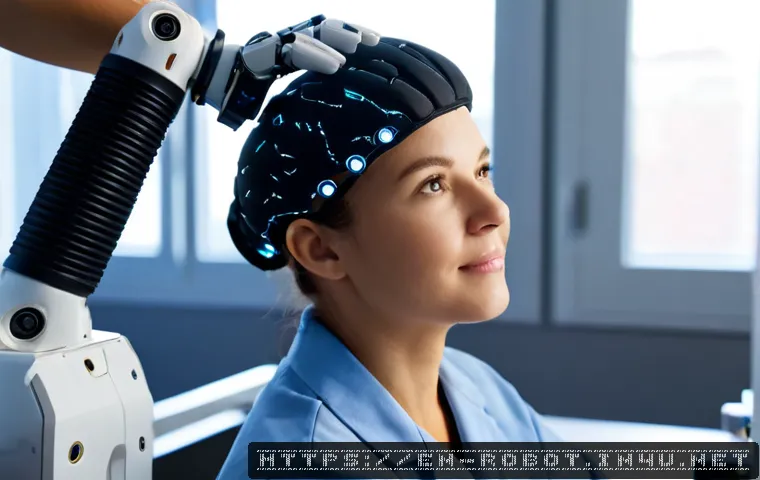
Brain-computer interfaces can guide robotic devices, but they are not automatically the best control method for every person or program. For many users, eye tracking, muscle-signal control, switches, voice control, or standard robotic interfaces may be more practical and easier to support.
A BCI may be worth evaluating when conventional controls do not meet a user’s functional needs or when a supervised clinical or research program is appropriate.
The key is to compare the intended task, training needs, safety plan, provider support, and full cost—not just an impressive demonstration. Advanced brain-controlled robotics are often still limited to research studies, specialized rehabilitation settings, or closely supervised clinical programs.
Availability, clinical status, insurance coverage, and long-term support vary by location and device category.
At a Glance
- BCIs translate measured brain activity into commands for systems such as computer cursors, communication tools, and robotic devices.
- Robotic control is not always best with a BCI. EMG, eye tracking, switches, voice control, and conventional interfaces may be more practical.
- Evaluate the full support model. Signal quality, training, calibration, safety design, maintenance, and clinical follow-up can shape real-world results.
| Control Option | Typical Setting | Support Needs | Key Cost Factors |
|---|---|---|---|
| Non-invasive BCI (EEG) | Research, rehabilitation, supervised assistive technology programs | Sensor placement, software calibration, user training, technical support | Assessment, EEG hardware, software, training, repairs, clinician services |
| Implanted BCI | Carefully supervised clinical or research programs | Surgical care, monitoring, device support, long-term clinical follow-up | Surgery, device services, follow-up care, maintenance, software support |
| EMG / muscle-signal control | Prosthetics and assistive-device settings | Fitting, calibration, training, periodic adjustments | Evaluation, hardware, fitting, rehabilitation services, repairs |
| Eye tracking | Communication and environmental-control systems | Setup, positioning, calibration, caregiver or technical support | Device hardware, software, mounting, support, replacement parts |
| Standard robotic interfaces | Home, clinic, workplace, and rehabilitation environments | Training, accessibility setup, maintenance, safety checks | Robot hardware, accessories, service agreements, repairs, staff training |
What Brain Signals Can—and Cannot—Do for Robotic Control
The basic path from neural signal to robotic movement
A brain-computer interface, often called a BCI, measures brain activity and translates it into a command for an external system. That command may move a computer cursor, select a communication option, or direct part of a robotic device. Non-invasive systems commonly use EEG sensors placed on the scalp, while implanted systems record neural activity closer to the brain.
The process is not simply “thinking” and instant robotic movement. Signals must be detected, interpreted by software, calibrated for the user, and converted into a safe action. The robotic system also needs limits that prevent unwanted movement or unsafe operation.
Why accuracy, latency, and safety matter more than impressive demos
A polished demonstration can show what is possible under controlled conditions. It does not automatically show what will work reliably during daily use. Performance may change with signal quality, fatigue, user training, software calibration, the task itself, and the robot’s safety design.
For a robotic prosthetic, exoskeleton, or assistive arm, a useful control method must do more than produce a command. It needs predictable response, manageable setup, and a safe way to stop or override movement. Ask how the system handles loss of signal, incorrect commands, software interruptions, and emergency-stop procedures.
A quick answer: where the technology is useful today
BCI robotics can be relevant in robotic prosthetics, rehabilitation technology, communication systems, and assistive-device research. However, many advanced brain-controlled robotic systems remain in research studies, specialized rehabilitation settings, or closely supervised clinical programs. A practical evaluation should separate current access from future potential.
Comparing Brain-Controlled Robotics With Other Assistive Controls
Non-invasive BCI, implanted BCI, muscle signals, eye tracking, and conventional controls
A non-invasive EEG-based BCI avoids surgery, but it may require careful sensor setup and repeated calibration. An implanted BCI may record neural activity closer to the brain, but it introduces additional considerations involving surgery, infection, device reliability, privacy, and long-term support.
EMG control uses muscle signals and may be relevant when usable muscle activity is available. Eye tracking can support communication or environmental control without requiring brain-signal recording. Conventional controls—including switches, voice control, and standard robotic interfaces—may offer a simpler path when they can accomplish the intended task.
Comparison table: training time, precision, risk, support, and cost factors
The table above is a starting point rather than a promise of individual performance. A person may need more or less training than another user. A clinic or procurement team should compare the control method against the real task: selecting items on a screen, communicating, operating an assistive device, participating in therapy, or controlling a robotic system.
When a lower-complexity solution may offer better value
If a user can reliably operate eye tracking, switches, voice control, or a muscle-signal interface, a BCI may not add enough functional value to justify more training or support. Lower-complexity options can be easier to deploy, easier for caregivers to understand, and more straightforward to maintain.
The best question is not “Which technology is most advanced?” It is “Which control method performs the needed task safely and consistently with realistic support?”
Real-World Uses in Prosthetics, Rehabilitation, and Assistive Technology
Robotic arms and prosthetic control
Robotic prosthetics are frequently discussed in BCI development because they may support movement and independence for some users. Yet a robotic prosthetic does not need a BCI to be useful. Muscle-signal interfaces and other established control approaches may be considered alongside brain-controlled options.
Before entering an assessment or clinical neurotechnology program, define the actions that matter most. Examples may include reaching, selecting an object, operating a device, or controlling a computer. A provider should explain which actions are being evaluated, how training is handled, and what safety measures apply.
Rehabilitation robots and exoskeleton-supported therapy
Rehabilitation robotics and exoskeleton-supported therapy may use different types of control depending on the therapeutic goal. A BCI can be part of a supervised rehabilitation approach, but the robot, clinician workflow, and user’s capacity for training all matter.
For rehabilitation teams, compare the system’s intended use with staffing needs, setup requirements, calibration workflow, maintenance responsibilities, and patient safety procedures. Do not assume that a research-oriented platform fits routine clinical operations.
Communication and environmental-control systems
BCIs can also support computer access and communication systems. In some cases, the goal is not physical robotic movement but a reliable method of selecting commands that control software or connected devices.
When comparing assistive technology, consider whether eye tracking, switches, voice control, or a standard access method can meet the same need with less complexity. A BCI evaluation is most useful when the alternatives have been considered honestly.
Practical Evaluation Steps, Safety Checks, and Common Mistakes
Confirming clinical status, eligibility, and provider experience
Start by confirming whether the option is a research study, a specialized clinical program, or a commercially available device. Ask what the intended use is, what eligibility requirements apply, and whether the provider has experience supporting the specific population and task.

Coverage, availability, and regulatory status can differ by country, device category, and intended use. Do not assume that a device discussed online is available locally, cleared for clinical use, or covered by insurance.
Data privacy, cybersecurity, maintenance, and emergency-stop planning
Brain-signal and device data deserve careful attention. Ask what information is collected, where it is stored, who can access it, and how software updates are managed. For connected robotics, cybersecurity and account access should be part of the vendor or program review.
Also ask who maintains the hardware, who responds when the system fails, and what happens if a robotic device receives an incorrect command. A suitable program should be able to explain its safety design, emergency-stop process, maintenance plan, and support pathway.
Mistakes to avoid when comparing experimental and commercial options
A common mistake is treating a research demonstration as a ready-to-use consumer product. Another is comparing hardware alone while ignoring clinical services, training, software, repairs, and follow-up care. For implantable neural interfaces, overlooking surgical and long-term support considerations can lead to unrealistic expectations.
Do not base a decision only on a video, headline, or one performance claim. Request current documentation and discuss individual circumstances with qualified clinical or rehabilitation professionals where appropriate.
Choosing a Program, Device, or Research Partner by Situation
For patients and caregivers seeking functional support
Begin with the daily activity that needs support. Then compare the least complex controls that could perform it. If a BCI assessment is being considered, ask about training, caregiver involvement, home-use expectations, technical help, and the plan if the system does not provide reliable control.
Caregivers should also ask who is responsible for setup, charging, cleaning, troubleshooting, and contacting the provider. A technology choice is stronger when the support burden is realistic for the household.
For rehabilitation clinics considering technology investment
Clinics should assess more than the robot or interface itself. Review staff training, clinical workflow, room requirements, patient selection, calibration time, safety procedures, service arrangements, and documentation needs. A rehabilitation technology investment should fit the clinic’s actual capacity to deliver and support it.
For universities and companies planning robotics research
Research teams should define whether they need EEG acquisition, implanted-interface compatibility, EMG integration, eye tracking, robotic control software, or a combination of these tools. Compare data handling, software access, calibration tools, technical documentation, service support, and interoperability with existing research equipment.
For enterprise research equipment selection, a vendor’s support model can be as important as the sensor or robot specification. Confirm the practical scope of technical assistance before procurement.
Selection Criteria and Comparison Summary
Use this checklist before committing to an assessment, trial, clinical neurotechnology program, rehabilitation robotics purchase, or research equipment procurement:
- Intended task: What exact activity must the system help perform?
- Control alternatives: Have EMG, eye tracking, switches, voice control, and standard interfaces been compared?
- Risk tolerance: Is a non-invasive approach sufficient, or are implanted-interface considerations being reviewed with appropriate clinical guidance?
- Training and support: Who handles calibration, troubleshooting, maintenance, and follow-up?
- Total cost: Include evaluation, hardware, clinical services, software subscriptions, repairs, training, and ongoing support.
- Status and documentation: Confirm local availability, intended use, privacy practices, safety procedures, and coverage details.
Before choosing a provider or vendor, review the official program information and detailed support conditions on the relevant page.
Closing Thoughts
Brain-controlled robotics is an important area of neurotechnology, but it should be evaluated as a practical support option rather than a universal solution. The strongest choice is the one that helps complete a meaningful task safely, consistently, and with support that can continue over time. In many situations, a simpler assistive control may be the better first step. Where a BCI is appropriate, a structured assessment and clear safety plan matter more than a dramatic demonstration.
Useful Information to Keep in Mind
1. A BCI can control more than robots; it may also support cursor control and communication systems.
2. EEG-based BCIs measure signals from sensors on the scalp, while implanted systems record neural activity closer to the brain.
3. Reliable use may depend on calibration, training, fatigue, signal quality, and the specific task.
4. A robotic system can still be valuable without brain-signal control.
Important Considerations
No individual outcome, functional improvement, device availability, coverage decision, or long-term benefit can be assumed from general information alone. Implantable systems may involve surgical, infection, device-reliability, privacy, and long-term support considerations. Current clinical status, local access, data handling, total cost, and provider quality should be verified through up-to-date documentation and appropriate professional guidance.
Frequently Asked Questions
Q1. Can a brain-computer interface control a robotic arm in everyday life?
A1. A BCI can translate measured brain activity into commands for a robotic device, including a robotic arm. However, many advanced brain-controlled systems remain in research studies, specialized rehabilitation settings, or supervised clinical programs. Everyday reliability depends on signal quality, training, calibration, task demands, and the robot’s safety design.
Q2. How much does brain-controlled robotic technology cost?
A2. The total cost cannot be assumed without reviewing a specific program or device. It may include assessment, hardware, surgery where relevant, training, software, maintenance, repairs, clinician support, and follow-up care. Coverage and availability also vary by location, device category, and intended use.
Q3. Is an implanted brain-computer interface safer or more accurate than an EEG-based system?
A3. Implanted systems record neural activity closer to the brain, while EEG-based systems use scalp sensors and avoid surgery. An implanted interface also brings surgical, infection, device-reliability, privacy, and long-term support considerations. The appropriate option depends on the intended task, individual circumstances, program safeguards, and current clinical guidance.