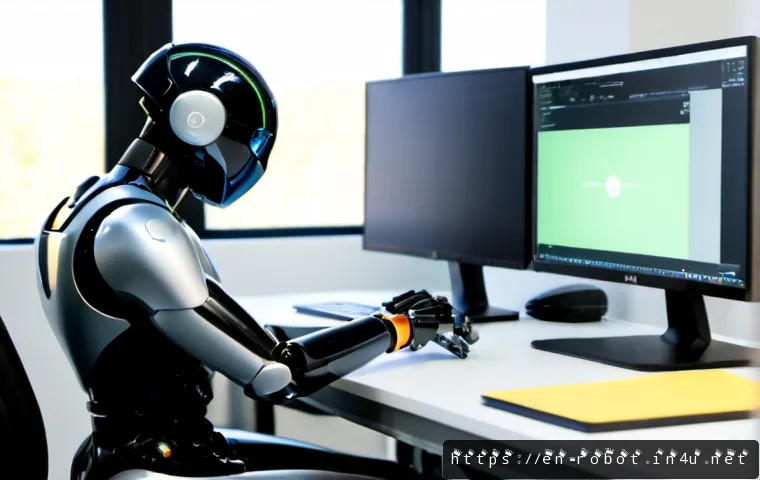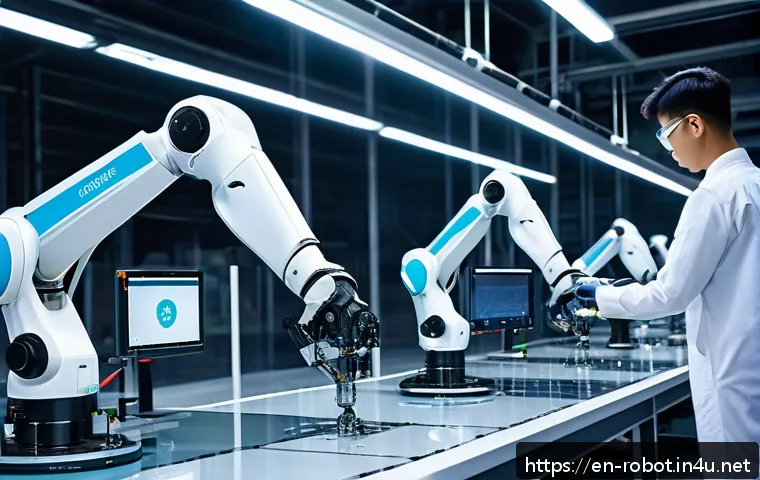
With AI technologies advancing at a breakneck pace, robots are no longer just tools—they’re becoming active participants in our social fabric. It’s fascinating to see how these machines are reshaping roles once thought uniquely human, from caregiving to companionship.

As we navigate this new era, understanding the impact of robotic integration on social dynamics is more important than ever. Whether it’s in homes, workplaces, or public spaces, robots are quietly transforming how we connect and collaborate.
Stick around as we explore the profound ways AI-driven robots are redefining social roles and what that means for our future together.
Expanding Emotional Connections Beyond Humans
Robots as Companions in Daily Life
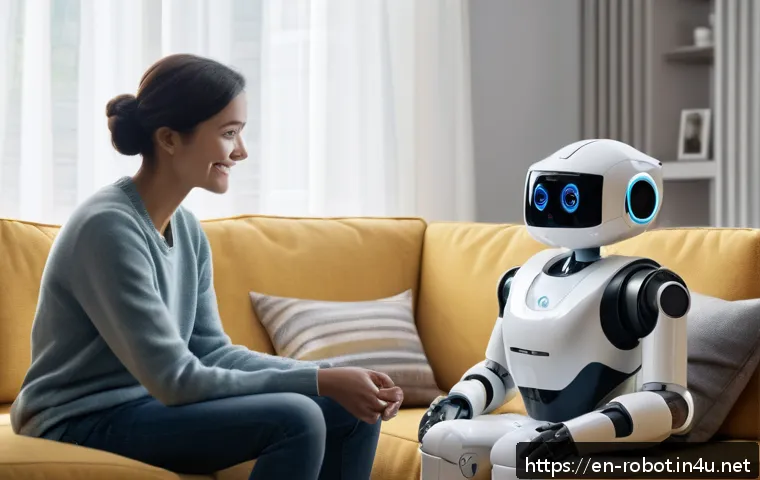
The idea of robots stepping into companionship roles once reserved solely for humans is no longer science fiction. From elder care to childcare, robots equipped with AI can provide consistent emotional support, reminders, and even entertainment.
What I’ve noticed personally is that these machines don’t just act as tools—they often become part of the family dynamic. For instance, in many households, social robots can recognize individual family members, respond to their moods, and engage in simple conversations, which helps reduce feelings of loneliness, especially among seniors living alone.
This kind of interaction changes the traditional notion of companionship by blending empathy with technology, creating new social bonds that feel surprisingly authentic.
Emotional Intelligence in AI: Fact or Fiction?
One of the biggest challenges AI developers face is teaching robots to understand and respond to human emotions effectively. While robots don’t “feel” in the human sense, advances in machine learning and natural language processing allow them to detect emotional cues through tone, facial expressions, and word choice.
In practical terms, this means robots can adapt their behavior to comfort someone who’s upset or celebrate with a user who’s happy. From my experience observing demonstrations at tech expos, the way these machines adjust their responses based on emotional input can sometimes blur the lines between programmed reaction and genuine empathy, making their social role more nuanced and impactful.
Revolutionizing Workplace Collaboration
Robots as Team Members, Not Just Tools
The workplace is undergoing a quiet revolution with robots taking on more interactive roles. Instead of being confined to repetitive or dangerous tasks, AI-driven robots now participate actively in meetings, brainstorming sessions, and even conflict resolution.
What struck me while working alongside robotic assistants is their ability to handle vast amounts of data in real time, offering insights that help human colleagues make better decisions.
These robots don’t replace human creativity but complement it by managing routine elements, allowing teams to focus on innovation and strategy. It’s like having a tireless, data-savvy teammate who never needs a coffee break.
Balancing Automation and Human Touch
While automation boosts efficiency, it also raises questions about preserving the human touch in workplaces. Robots can’t replicate the spontaneity and emotional nuance of human interactions, which are vital for team morale and culture.
From conversations I’ve had with managers, the key is integration rather than replacement—using robots to take over mundane tasks so humans can engage in more meaningful collaboration.
This balance enhances productivity without sacrificing the social glue that binds teams together, ultimately making workplaces more dynamic and inclusive.
Transforming Public Spaces with Social Robots
Robots Enhancing Customer Experiences
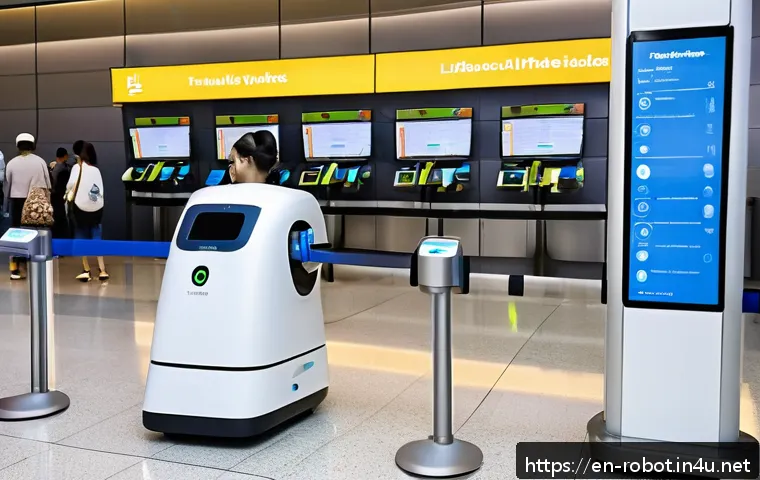
In public environments like airports, shopping malls, and hospitals, social robots are becoming frontline helpers. They assist visitors with directions, answer questions, and even provide entertainment to ease stress or boredom.
I recall visiting a busy airport where a friendly robot greeted travelers, offering multilingual support and real-time updates. This not only streamlined the flow of people but also added a touch of novelty and comfort.
As these robots become more sophisticated, they are transforming public spaces into more welcoming, accessible environments, reshaping how we interact with technology in everyday life.
Addressing Accessibility and Inclusion
One often overlooked benefit of robots in public spaces is their potential to improve accessibility for people with disabilities. AI-powered robots can guide visually impaired individuals, provide sign language translation, or assist those with mobility challenges.
From my conversations with accessibility advocates, these robots are proving to be invaluable aids, helping level the playing field and fostering greater independence.
This shift isn’t just technological—it’s a social progression towards inclusivity, where robots become partners in creating equitable environments.
Ethical Considerations and Trust Building
Privacy and Data Security Concerns
As robots integrate deeper into social settings, the amount of personal data they collect grows exponentially. Trust becomes a critical factor. In my own experience researching privacy issues, it’s clear users want transparency about what data is gathered and how it’s used.
Companies deploying social robots must prioritize robust security measures and clear communication to build and maintain trust. Without this, the social benefits risk being overshadowed by fears of surveillance or misuse, potentially stalling wider adoption.
Establishing Boundaries and Social Norms
Another ethical challenge is defining the boundaries of robot behavior in social contexts. How close should a robot get? What topics should it avoid?
During panel discussions with AI ethicists, it became evident that society is still negotiating these norms. Unlike humans, robots don’t innately understand consent or cultural subtleties, so programming appropriate limits is essential.
The development of universally accepted guidelines will help robots integrate more seamlessly without causing discomfort or misunderstanding in social interactions.
Education and Learning with Robotic Assistants
Personalized Learning Experiences
Robots in education are reshaping how students engage with material by offering personalized pacing and interactive feedback. From my visits to classrooms using AI tutors, students seem more motivated when learning adapts to their individual needs.
Robots can identify areas where a student struggles and provide targeted exercises or explanations, something a teacher with dozens of students might struggle to do consistently.
This tailored approach enhances comprehension and retention, making learning more effective and enjoyable.
Encouraging Social Skills Through Interaction
Beyond academic support, social robots can help children develop interpersonal skills, especially those with social challenges such as autism spectrum disorder.
Robots provide a non-judgmental, patient presence for practicing communication and emotional recognition. I’ve observed therapy sessions where children engage with robots more readily than with humans at first, building confidence before transferring those skills to real-world interactions.
This application highlights how robots can complement human educators and therapists, expanding support options.
Summary of Robot Roles Across Social Contexts
| Context | Primary Role | Key Benefits | Challenges |
|---|---|---|---|
| Home | Companion, caregiver assistant | Reduces loneliness, aids elderly, monitors health | Emotional authenticity, privacy concerns |
| Workplace | Collaborator, data analyst | Enhances productivity, supports decision-making | Maintaining human touch, ethical boundaries |
| Public Spaces | Information guide, accessibility aid | Improves navigation, supports inclusivity | Trust, cultural sensitivity |
| Education | Personal tutor, social skills coach | Personalized learning, social development | Dependence risk, balancing human interaction |
Future Horizons: Coexisting with Social Robots
Adapting Social Norms for a Robot-Integrated Society
As robots become more embedded in everyday life, society will need to evolve its social norms to accommodate this new dynamic. From my perspective, this means not just accepting robots as tools but embracing them as social entities with distinct roles.
We’ll likely see new etiquette emerge—like how to greet a robot or when it’s appropriate to share personal information. This adaptation will be a collective learning process, blending technological progress with cultural shifts.
Potential for New Forms of Human-Robot Relationships
Looking ahead, the possibility of deeper, more meaningful human-robot relationships is intriguing. Some researchers speculate that robots could become trusted confidants or even collaborators in creativity and problem-solving.
Based on interactions I’ve witnessed, there’s a growing comfort and openness toward robots that suggests these bonds could grow stronger. While this raises philosophical questions about what it means to be social, it also opens exciting opportunities for companionship and cooperation in ways we’ve never imagined before.
Closing Thoughts
As social robots continue to weave into various aspects of our lives, they offer promising new ways to connect, assist, and collaborate. Their evolving roles challenge traditional boundaries while opening doors to innovative relationships between humans and machines. Embracing this change thoughtfully can enrich our daily experiences and reshape how we perceive companionship and teamwork.
Useful Information to Keep in Mind
1. Social robots are increasingly serving as companions, especially for seniors, by providing emotional support and reducing loneliness.
2. Advances in AI allow robots to interpret emotional cues, enhancing their ability to respond empathetically in social interactions.
3. In workplaces, robots complement human creativity by managing data and routine tasks, enabling teams to focus on innovation.
4. Public spaces benefit from social robots through improved accessibility and customer service, making environments more inclusive.
5. Ethical considerations such as privacy, trust, and appropriate social boundaries remain critical to the successful integration of robots.
Key Takeaways
Understanding the expanding roles of social robots is essential as they become part of our homes, workplaces, public areas, and educational settings. Balancing technological benefits with ethical responsibilities ensures these interactions remain positive and respectful. Ultimately, fostering trust and adapting social norms will be vital to harmonize human-robot coexistence in the future.
Frequently Asked Questions (FAQ) 📖
Q: How are
A: I-driven robots changing social roles in caregiving and companionship? A1: AI-driven robots are increasingly stepping into roles traditionally held by humans, especially in caregiving and companionship.
From assisting elderly individuals with daily tasks to providing emotional support through interactive conversations, these robots help fill gaps caused by caregiver shortages or social isolation.
Based on my experience, robots equipped with empathetic programming can offer consistent, non-judgmental companionship that enhances quality of life, although they don’t replace the nuanced understanding of human caregivers.
Their presence often encourages more social interaction by easing loneliness, which is a game-changer in many households and care facilities.
Q: What challenges arise from integrating robots into social environments like homes and workplaces?
A: Integrating robots into social settings brings both excitement and hurdles. One major challenge is trust—people may feel uneasy relying on machines for personal or sensitive tasks.
Privacy concerns also surface, especially when robots collect data to personalize interactions. Additionally, there’s a learning curve as users adapt to new ways of collaborating with robots, which can initially slow down workflows or create misunderstandings.
From what I’ve observed, clear communication about robot capabilities and limitations, alongside gradual introduction, helps ease these tensions and fosters smoother human-robot partnerships.
Q: Will robots eventually replace human social interactions, or will they complement them?
A: While robots are becoming more sophisticated, they are best seen as complements rather than replacements for human social interaction. Robots can handle repetitive or supportive tasks, freeing humans to focus on deeper, more meaningful connections.
For example, a robot might remind someone to take medication or provide entertainment, but the emotional depth and spontaneity of human relationships remain irreplaceable.
Personally, I find that robots enhance social dynamics by filling in where human presence isn’t always possible, but the heart of social connection still thrives on human empathy and shared experiences.