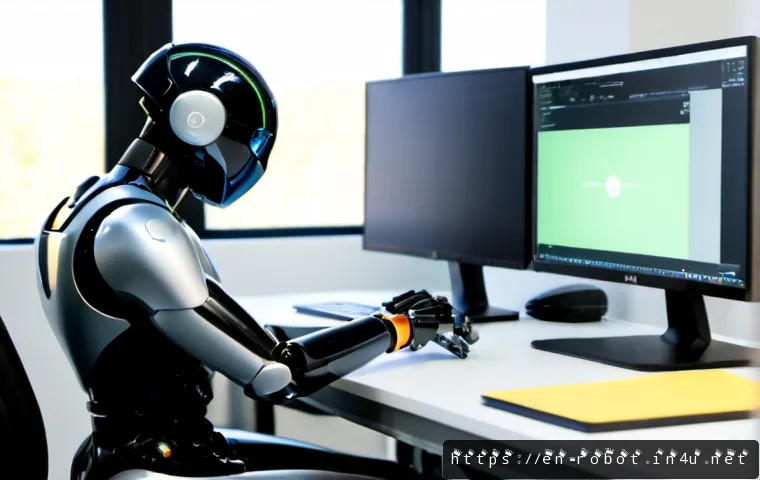
As industries worldwide face rapid shifts driven by technological breakthroughs, robot automation emerges as a game-changer reshaping production and efficiency.
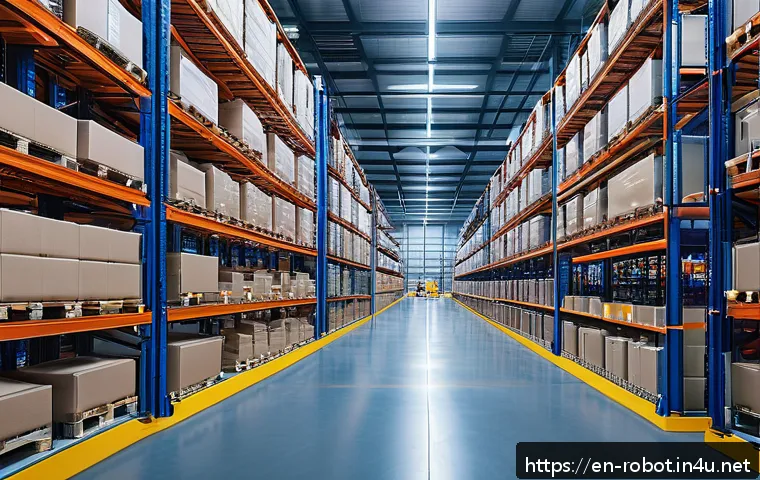
With advancements in AI and robotics, companies are unlocking unprecedented potential to streamline operations and boost competitiveness. This transformation is not just a glimpse of the future but a reality accelerating the next industrial revolution.
Join me as we explore how intelligent automation is redefining global industries and what it means for businesses and workers alike in today’s fast-evolving landscape.
Transforming Manufacturing Floors with Smart Machines
Seamless Integration of AI and Robotics
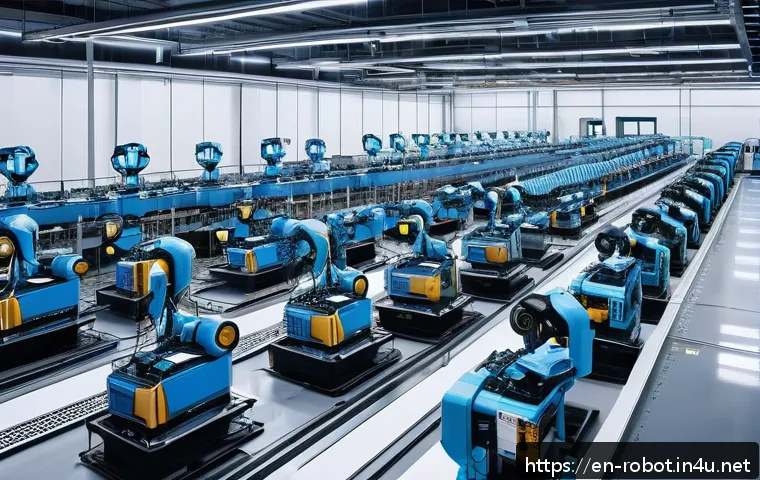
The marriage of AI with robotics is no longer a futuristic concept but a tangible reality on manufacturing floors worldwide. From predictive maintenance to real-time quality control, AI-driven robots are reshaping how factories operate.
I’ve witnessed firsthand how smart machines can anticipate equipment failures before they happen, reducing costly downtime. This proactive approach not only keeps production lines humming but also slashes maintenance expenses, making companies more agile in responding to market demands.
The ability of these robots to learn from data and adapt their actions dynamically is a game-changer, turning static assembly lines into responsive, intelligent ecosystems.
Enhancing Precision and Speed Beyond Human Limits
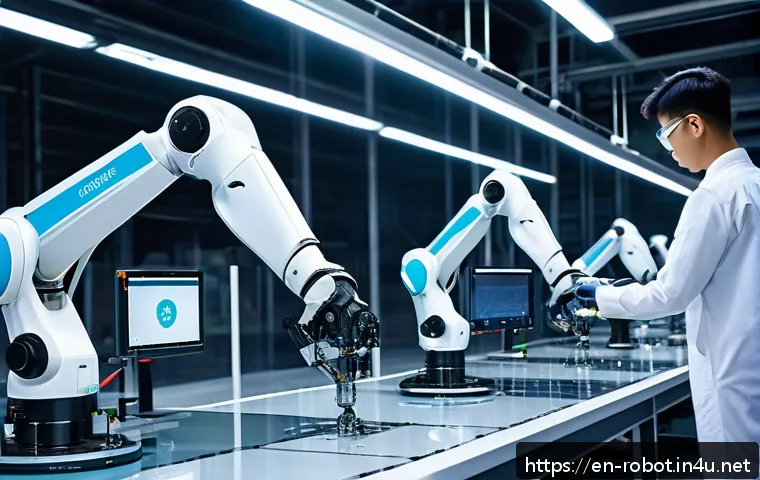
Robots equipped with advanced sensors and AI algorithms achieve levels of precision and speed that humans simply can’t match consistently. For example, in electronics manufacturing, these machines handle delicate components with micrometer accuracy, significantly lowering defect rates.
In automotive plants, they execute complex welding and painting tasks swiftly without compromising quality. From my experience working with industry leaders, the boost in throughput often translates directly into higher profits and shorter lead times, which is crucial in today’s fast-paced markets.
Plus, robots don’t tire or lose focus, which means consistent output during extended shifts.
Empowering Human Workers Through Collaboration
One common misconception is that robots replace humans entirely. In reality, collaborative robots—or cobots—work side-by-side with human operators, enhancing productivity and safety.
During a recent project, I observed how cobots took over repetitive and ergonomically challenging tasks, allowing workers to focus on decision-making and quality assurance.
This not only reduces workplace injuries but also increases job satisfaction, as employees engage in more meaningful activities. The synergy between human creativity and robotic precision creates a balanced workflow that benefits both workers and companies.
Redefining Supply Chains with Automated Intelligence
Streamlining Logistics and Inventory Management
Automation is revolutionizing supply chains by optimizing inventory levels and accelerating logistics operations. Smart warehouses now use autonomous guided vehicles (AGVs) and robotic sorters that can locate, pick, and pack items faster than traditional methods.
From personal experience consulting in retail distribution, these systems drastically reduce errors and shipping delays, ensuring products reach customers promptly.
Additionally, AI algorithms analyze demand patterns to forecast inventory needs, preventing overstocking and stockouts—a win-win for efficiency and cost control.
Real-Time Visibility and Data-Driven Decisions
The integration of IoT sensors and robotics provides unprecedented transparency across supply chains. Managers can track shipments, monitor conditions, and respond swiftly to disruptions.
When I helped implement such solutions, the ability to visualize every stage in real time empowered teams to make smarter decisions and avoid bottlenecks.
This level of control is especially vital in industries like pharmaceuticals or food, where timing and conditions are critical to product integrity.
Adapting to Market Volatility with Flexible Automation
Automated systems enable companies to pivot quickly when market conditions shift unexpectedly. For instance, during peak seasons or sudden demand surges, robots can be redeployed or reprogrammed with minimal downtime.
I’ve seen manufacturers use modular automation setups that scale up or down depending on orders, which prevents costly idle capacity. This flexibility is essential for maintaining competitiveness in an unpredictable global economy.
Workforce Evolution in the Age of Intelligent Automation
New Skill Sets and Training Imperatives
As automation takes over routine tasks, the demand for workers skilled in programming, robotics maintenance, and data analysis is soaring. From my conversations with HR leaders, companies are investing heavily in upskilling programs to bridge this gap.
Employees who embrace continuous learning are finding new career pathways, often with better pay and job security. The shift is challenging but exciting, pushing industries to rethink education and training frameworks to meet future needs.
Addressing Job Displacement Concerns
The fear that robots will render human jobs obsolete is widespread, but my observations suggest a more nuanced reality. While some roles are indeed automated, new positions emerge in overseeing and optimizing these systems.
Moreover, industries that adopt automation tend to grow faster, creating additional employment opportunities. Transparency and proactive workforce planning are key to easing transitions, helping workers adapt rather than be displaced.
Fostering Human-Robot Collaboration Cultures
Successful adoption of automation depends on cultivating a culture where humans and robots complement each other. In companies I’ve worked with, leadership emphasizes communication, trust, and shared goals to ensure smooth collaboration.
When employees feel valued and understand the benefits of automation, resistance diminishes, and productivity soars. This cultural shift is as important as the technology itself.
Economic and Environmental Impacts of Automated Systems
Driving Cost Efficiency and Profit Margins
Automation delivers significant cost savings by reducing labor expenses, minimizing waste, and optimizing resource use. From personal case studies, companies that embraced robotics report improved profit margins within the first year of implementation.
Beyond direct savings, faster production cycles and higher quality reduce returns and warranty claims, further boosting the bottom line. These financial benefits are vital for businesses competing in global markets where every dollar counts.
Reducing Carbon Footprint Through Smarter Operations
Sustainability is no longer optional, and automation plays a crucial role in greener manufacturing. Intelligent systems optimize energy consumption by powering down idle equipment and fine-tuning processes to reduce emissions.
I’ve seen factories cut their carbon footprint significantly by integrating AI-driven energy management with robotic automation. This not only supports environmental goals but also aligns with increasing regulatory pressures and consumer expectations for responsible production.
Challenges in Initial Investment and ROI
Despite the clear benefits, the upfront cost of automation can be daunting. From my discussions with CFOs, the capital expenditure and integration complexity require careful planning and phased deployment.
However, detailed ROI analyses show that well-executed projects often recoup costs within a few years through efficiency gains and reduced operational risks.
Patience and strategic vision are essential to navigate this investment hurdle successfully.
Key Technologies Powering the Next Wave of Automation
Artificial Intelligence and Machine Learning
At the heart of modern automation lies AI and machine learning, enabling robots to process vast amounts of data and improve their performance over time.
These technologies allow systems to detect anomalies, predict maintenance needs, and optimize workflows autonomously. From my experience, companies leveraging AI see continuous improvements that manual processes simply cannot match, creating a competitive edge in both speed and quality.
Advanced Robotics and Sensor Technologies
Cutting-edge robotics combine mechanical precision with sophisticated sensors that give machines spatial awareness and adaptability. For instance, tactile sensors allow robots to handle fragile items gently, while vision systems enable defect detection in real time.
Working alongside engineers, I’ve observed how these innovations open new possibilities across industries, from delicate electronics assembly to heavy-duty construction tasks.
Cloud Computing and Edge Processing
Cloud platforms provide the computational power and data storage necessary for large-scale automation, while edge computing ensures low-latency responses for time-sensitive operations.
This combination supports decentralized control systems that are both robust and flexible. Companies I’ve collaborated with benefit from this architecture by maintaining uninterrupted production even during network disruptions, a critical factor for mission-critical environments.
Automation Across Diverse Industry Verticals
Healthcare and Pharmaceutical Innovations
Automation in healthcare is revolutionizing everything from surgical assistance to pharmaceutical manufacturing. Robots perform precise, repetitive tasks such as drug dispensing and sample analysis, reducing human error and speeding up workflows.
In hospitals, robotic systems assist in sterilization and patient transport, freeing staff to focus on direct care. My visits to medical facilities confirm that these advancements improve patient outcomes and operational efficiency simultaneously.
Retail and E-Commerce Fulfillment
The explosive growth of e-commerce has accelerated the adoption of robotic automation in warehouses and last-mile delivery. Autonomous vehicles and drones are being tested to enhance speed and reliability in order fulfillment.
From my observations, companies investing in these technologies outperform competitors by delivering faster and more accurately, which is critical for customer satisfaction in today’s digital economy.
Agriculture and Food Processing Automation
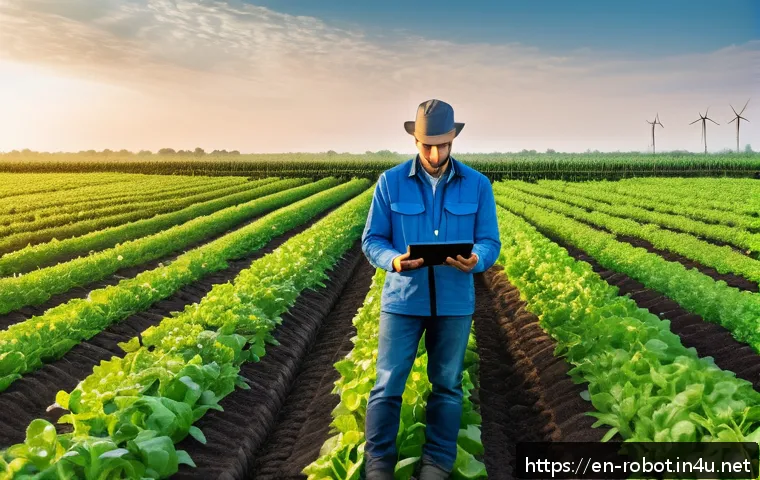
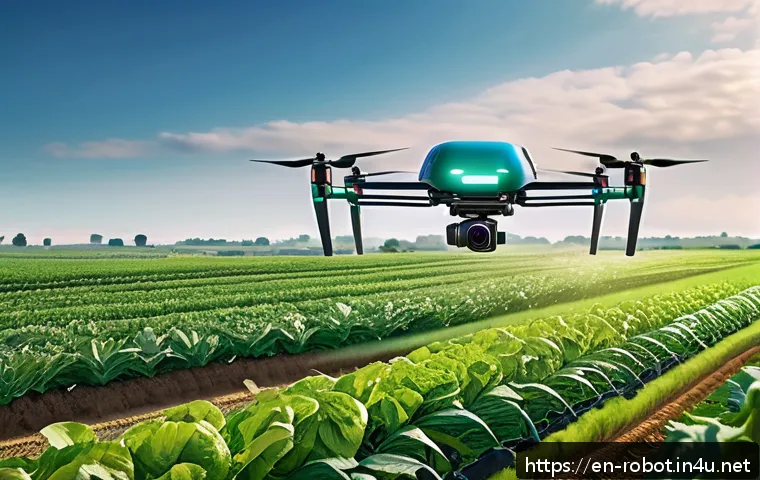
Robotics and AI are also transforming agriculture by enabling precision farming and automated harvesting. These systems monitor crop health, optimize irrigation, and reduce pesticide use, contributing to sustainable food production.
In food processing plants, robots handle sorting, packaging, and quality inspection, ensuring safety and consistency. I’ve seen farmers and processors alike embrace these tools to meet growing demand while minimizing environmental impact.
Comparing Automation Benefits Across Industries
| Industry | Primary Automation Benefits | Typical Technologies Used | Key Challenges |
|---|---|---|---|
| Manufacturing | Increased throughput, quality control, reduced downtime | Robotic arms, AI predictive maintenance, vision systems | High initial investment, workforce training |
| Supply Chain & Logistics | Faster order fulfillment, inventory accuracy, real-time tracking | Autonomous guided vehicles, IoT sensors, AI forecasting | Integration complexity, cybersecurity concerns |
| Healthcare | Enhanced precision, reduced errors, improved patient care | Robotic surgery, automated drug dispensing, AI diagnostics | Regulatory compliance, high cost of equipment |
| Retail & E-Commerce | Speedier fulfillment, error reduction, customer satisfaction | Robotic sorters, drones, autonomous delivery vehicles | Scalability, last-mile logistics challenges |
| Agriculture | Precision farming, resource optimization, sustainability | Automated harvesters, drones, AI crop monitoring | Technology adoption barriers, cost for small farms |
Conclusion
Smart machines and automation are transforming industries by enhancing efficiency, precision, and adaptability. The collaboration between humans and robots fosters safer, more productive workplaces, while AI-driven insights optimize operations across supply chains and manufacturing. Embracing these technologies is essential for businesses aiming to stay competitive and sustainable in today’s dynamic market environment.
Helpful Information
1. Investing in automation requires a clear strategy and phased implementation to maximize ROI without overwhelming existing processes.
2. Continuous training and upskilling are crucial for employees to thrive alongside intelligent machines and evolving workflows.
3. Collaborative robots enhance human roles rather than replace them, improving job satisfaction and workplace safety.
4. Real-time data from IoT and AI enables proactive decision-making, reducing downtime and supply chain disruptions.
5. Sustainability benefits from automation include reduced energy consumption and minimized waste, aligning with global environmental goals.
Key Takeaways
Automation integrates AI, robotics, and advanced sensors to revolutionize production and logistics, offering precision, speed, and flexibility. While initial investments and workforce adaptation pose challenges, the long-term gains in cost efficiency, quality, and sustainability are substantial. Successful adoption depends on fostering human-robot collaboration cultures and leveraging data-driven insights to navigate market volatility effectively.
Frequently Asked Questions (FAQ) 📖
Q: uestions about Robot
A: utomation in Industry
Q: How does robot automation improve production efficiency in industries?
A: Robot automation significantly enhances production efficiency by performing repetitive and precise tasks faster than humans, reducing errors and downtime.
From my experience working with manufacturers, robots handle complex assembly and quality control with consistent accuracy, which not only speeds up output but also improves product quality.
Additionally, automation allows companies to operate 24/7 without fatigue, leading to higher throughput and better use of resources.
Q: What impact does the rise of intelligent automation have on the workforce?
A: While intelligent automation can replace certain manual jobs, it also creates opportunities for workers to upskill and engage in more creative, supervisory, or technical roles.
In industries I’ve observed, employees often shift toward programming, maintenance, and system optimization tasks. The key is embracing continuous learning since automation changes job nature rather than completely eliminating employment.
Businesses investing in training see smoother transitions and higher employee satisfaction.
Q: Is robot automation affordable for small and medium-sized enterprises (SMEs)?
A: Advances in AI and robotics have made automation increasingly accessible to SMEs, thanks to modular and scalable solutions. Although initial investments can be significant, the long-term benefits such as cost savings, improved quality, and faster production often justify the expense.
From conversations with SME owners, many find that starting with partial automation for critical tasks helps balance costs and gains. Plus, government incentives and leasing options can ease financial burdens, making automation a realistic growth strategy.