In an era where climate change and food security dominate global conversations, the rise of robot-driven autonomous farming offers a promising path forward.
Imagine fields managed by smart machines that optimize every inch of soil, reducing waste and boosting yields without exhausting natural resources. This cutting-edge approach isn’t just futuristic fantasy—it’s happening now, reshaping how we grow our food sustainably.
As technology and agriculture merge, the potential for more efficient, eco-friendly farming practices has never been greater. Stick around to discover how these innovations are transforming farms and what it means for our planet’s future.
Advancements in Precision Agriculture Technology
Smart Sensors and Real-Time Data Monitoring
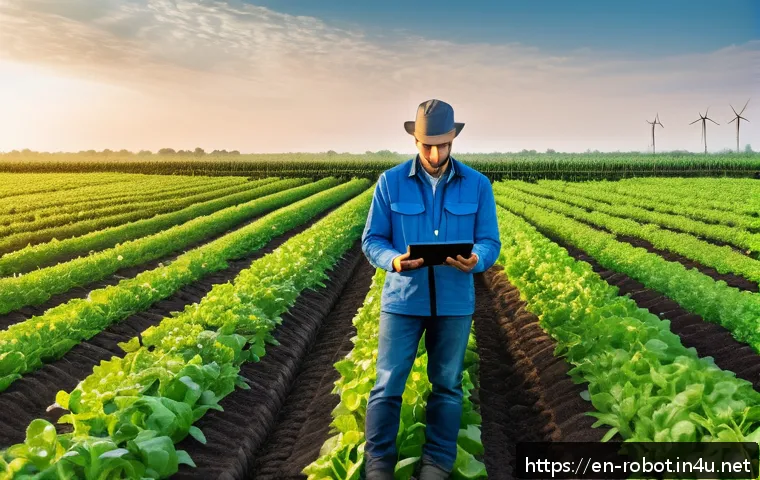
Smart sensors embedded throughout the fields are revolutionizing how farmers understand their land. These devices continuously monitor soil moisture, nutrient levels, temperature, and crop health, providing instant feedback that was previously impossible to gather at scale.
What’s fascinating is how these sensors communicate wirelessly with central hubs, enabling real-time decision-making. From my experience visiting farms using this technology, the ability to adjust irrigation or fertilizer application on the fly saves an enormous amount of resources while maximizing crop growth.
This precision reduces water waste and prevents over-fertilization, which traditionally contributed to environmental degradation. The sheer volume of data collected empowers farmers to tailor their practices to each section of their field, rather than applying a one-size-fits-all approach.
AI-Powered Crop Management Systems
Artificial intelligence takes the data from sensors and satellite imagery to predict crop needs and potential threats like pests or diseases. Unlike earlier farming methods relying on intuition or periodic scouting, AI systems analyze patterns and recommend actions with incredible accuracy.
For instance, I’ve seen farms where AI algorithms detected subtle stress signs in plants days before visible symptoms appeared, allowing for early intervention.
This proactive approach minimizes crop loss and lowers pesticide use, contributing to healthier produce and ecosystems. The integration of AI also means that less manual labor is required to monitor vast fields, which is a game-changer for labor shortages common in agriculture.
Automated Machinery and Robotics Integration
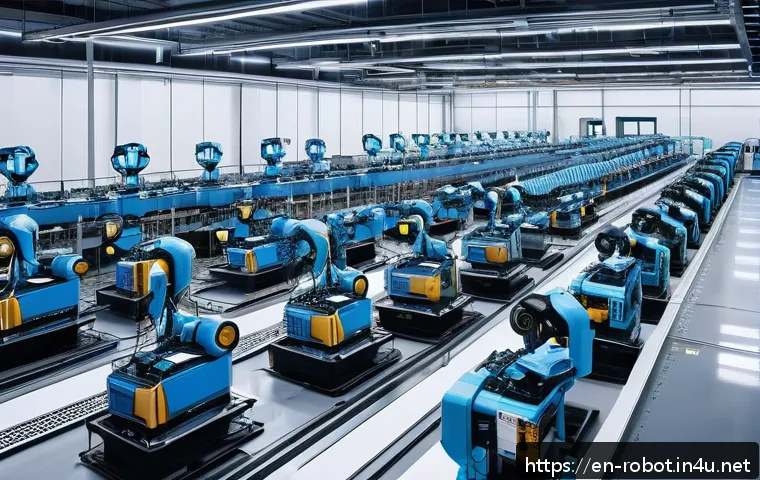
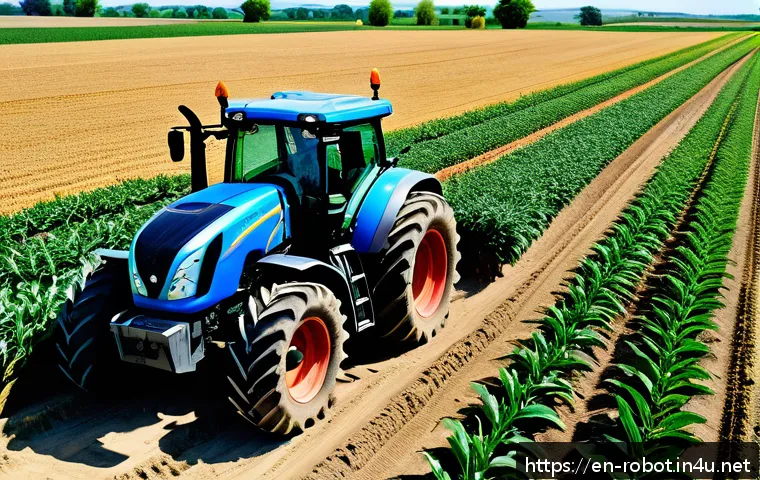
The backbone of autonomous farming lies in the deployment of self-driving tractors, robotic harvesters, and drones. These machines operate tirelessly and precisely, carrying out planting, weeding, and harvesting tasks with minimal human supervision.
On a recent tour of a high-tech farm, I observed how robots equipped with computer vision identified and selectively removed weeds, sparing crops and reducing herbicide dependency.
Additionally, drones equipped with multispectral cameras scan large areas quickly, providing detailed maps of plant health that inform the robots’ actions.
This synergy between hardware and software not only boosts productivity but also ensures that farming practices are environmentally sustainable.
Economic Impacts and Farmer Adoption Challenges
Cost-Benefit Analysis of Autonomous Systems
While the initial investment in autonomous farming equipment and technology can be steep, the long-term economic benefits are compelling. Farmers adopting these systems often see reductions in labor costs, lower input expenses, and higher yields.
From my discussions with operators, the payback period varies but generally spans a few years depending on farm size and crop type. What’s encouraging is that smaller farms are increasingly gaining access through leasing options and cooperative models.
These flexible approaches help mitigate upfront costs and make cutting-edge technology accessible beyond large agribusinesses.
Barriers to Widespread Adoption
Despite the advantages, several hurdles remain. One major challenge is the technical skill required to operate and maintain autonomous equipment, which can be daunting for traditional farmers.
There is also a need for reliable internet connectivity in rural areas to support data transmission and remote management. Some farmers express concerns about job displacement and the loss of hands-on farming knowledge passed through generations.
Personally, I’ve noticed that successful adoption often hinges on comprehensive training programs and support networks that address these anxieties and build confidence in new technologies.
Government Incentives and Policy Support
Governments worldwide are starting to recognize the role of autonomous farming in achieving sustainability and food security goals. Subsidies, grants, and tax incentives are increasingly offered to encourage farmers to integrate smart agriculture tools.
For example, certain U.S. states provide financial assistance for precision agriculture equipment purchases, easing the financial burden. Additionally, policies promoting rural broadband expansion directly support the technical infrastructure needed for these innovations.
From my experience, such policy measures not only accelerate technology uptake but also foster a collaborative environment where farmers, researchers, and tech developers can work closely.
Environmental Benefits and Sustainability Outcomes
Resource Conservation through Targeted Interventions
Autonomous farming systems excel at conserving vital natural resources by applying water, fertilizers, and pesticides only where needed. This targeted approach minimizes runoff and soil degradation, which are major issues in conventional farming.
Having witnessed autonomous irrigation systems in action, I was impressed by how precisely they delivered water to root zones, reducing consumption by up to 30% compared to traditional methods.
This precision not only benefits the environment but also translates into cost savings for farmers, creating a win-win situation.
Reducing Carbon Footprint and Emissions
Robotic equipment often runs on electric power or hybrid systems, which significantly cuts down on greenhouse gas emissions compared to diesel-powered machinery.
Moreover, by optimizing field operations and reducing the need for heavy machinery passes, autonomous farming lowers fuel consumption overall. I had a conversation with a farm manager who reported a noticeable drop in their carbon footprint after switching to autonomous tractors and drones, highlighting the environmental potential of these technologies.
This shift plays an essential role in agriculture’s contribution to climate change mitigation.
Enhancing Soil Health and Biodiversity
Healthy soil is the foundation of sustainable farming, and autonomous systems contribute by avoiding over-tillage and ensuring balanced nutrient applications.
The precision of robotic planters and cultivators means less soil disturbance and better root development. Additionally, reduced chemical use preserves beneficial insects and microorganisms vital for soil fertility.
From my observations, farms employing these technologies often show improvements in soil organic matter and microbial diversity, indicators of long-term ecosystem health.
Integration with Supply Chains and Market Dynamics
Real-Time Crop Monitoring for Market Responsiveness
Autonomous farming doesn’t stop at production; it extends to supply chain optimization. Real-time crop monitoring allows farmers and distributors to anticipate yields and adjust logistics accordingly.
This capability reduces waste by aligning supply with demand more closely. For instance, some farms use AI-driven forecasting to schedule harvests that match market windows, ensuring fresher produce reaches consumers.
I’ve seen how this reduces storage costs and improves profitability, benefiting both producers and buyers.
Traceability and Consumer Transparency
As consumers demand more transparency about the origins and quality of their food, autonomous systems provide detailed data trails. From planting to harvest, every step is documented, enabling farms to offer verifiable information on growing practices.
This traceability builds trust and can command premium prices in markets focused on sustainability and organic certification. During visits to tech-forward farms, I noticed how this transparency became a key selling point in farmer-consumer relationships, bridging the gap between production and consumption.
Impact on Global Food Security
By increasing efficiency and resilience, autonomous farming technologies play a critical role in addressing global food security challenges. The ability to produce more food with fewer inputs and less environmental impact is crucial as populations grow and climates become more unpredictable.
From field trials to commercial operations, these innovations demonstrate the potential to stabilize supply chains and reduce vulnerability to disruptions.
It’s encouraging to see how technology can empower farmers worldwide to meet the increasing demand sustainably.

Future Trends and Innovations on the Horizon
Swarm Robotics and Collaborative Machines
Looking ahead, the concept of swarm robotics—multiple smaller robots working in coordination—is gaining traction. This approach mimics natural systems and offers flexibility and scalability for various farming tasks.
I came across research farms experimenting with fleets of tiny robots that plant seeds or monitor crops collectively, which could revolutionize how labor-intensive activities are handled.
The decentralized nature of swarms also enhances fault tolerance, ensuring that if one unit fails, others compensate seamlessly.
Integration of Blockchain for Secure Data Management
Blockchain technology is poised to complement autonomous farming by securing data integrity and facilitating transparent transactions. This integration ensures that information about crop conditions, supply chain movements, and certifications cannot be tampered with.
Farmers can benefit from increased trust and streamlined processes when dealing with buyers and regulators. My conversations with agri-tech experts reveal growing interest in blockchain as a tool to enhance accountability and efficiency.
Advances in Energy-Efficient Robotics
Energy consumption remains a concern in deploying autonomous systems at scale. Innovations in low-power electronics, solar-powered robots, and improved battery technologies are under development to address this issue.
Farms experimenting with solar-charged drones and robots have reported extended operation times and lower energy costs. This progress is crucial for making autonomous farming more sustainable and economically viable, especially in remote areas with limited grid access.
| Technology | Main Benefits | Challenges | Examples |
|---|---|---|---|
| Smart Sensors | Real-time soil and crop data, precise resource use | Initial installation cost, data management complexity | Soil moisture probes, nutrient sensors |
| AI Crop Management | Early pest detection, optimized inputs, yield prediction | Requires large datasets, farmer training | Machine learning algorithms for disease detection |
| Autonomous Machinery | Labor savings, precise planting and harvesting | High upfront cost, technical maintenance | Self-driving tractors, robotic weeders |
| Drones | Rapid field scanning, multispectral imaging | Battery life limitations, regulatory restrictions | Crop health mapping, aerial surveillance |
| Swarm Robotics | Scalable, fault-tolerant operations | Coordination complexity, development stage | Multi-robot planting systems |
Practical Considerations for Implementing Autonomous Systems
Assessing Farm Suitability and Scale
Not every farm benefits equally from autonomous technology; factors like size, crop type, and terrain influence suitability. Large-scale row crop operations often see the greatest advantages, while smaller or highly diverse farms may require tailored solutions.
During consultations with farmers, I’ve emphasized the importance of pilot testing technology in a controlled section before full deployment. This phased approach helps identify potential issues and adapt practices without risking entire harvests.
Training and Support Infrastructure
Successful implementation hinges on comprehensive training programs for farmers and workers. Hands-on workshops, online tutorials, and on-site support foster confidence and proficiency in operating complex machinery and interpreting data.
I recall attending a training session where farmers shared their learning curves and troubleshooting experiences, underscoring the value of community and knowledge exchange.
Additionally, partnerships with local tech providers ensure timely maintenance and upgrades.
Data Security and Privacy Concerns
With vast amounts of farm data collected, concerns around privacy and ownership arise. Farmers want assurances that their proprietary information won’t be exploited or accessed without consent.
Transparent data policies and secure cloud storage solutions are essential to build trust. From my perspective, companies that prioritize clear agreements and robust cybersecurity measures gain stronger farmer loyalty and long-term partnerships.
This element is critical as agriculture becomes increasingly digitized.
Human Element: Balancing Tradition and Innovation
Preserving Farmer Expertise Amid Automation
While autonomous technologies automate many tasks, the intuition and experience of farmers remain invaluable. Many farmers I’ve spoken to emphasize that technology should augment rather than replace their knowledge.
For example, seasoned growers often use autonomous data insights to validate their observations and make nuanced decisions. This synergy creates a richer, more informed farming practice that blends tradition with innovation.
Community Impact and Workforce Evolution
The shift toward automation affects rural communities and farm labor markets. Jobs may change rather than disappear, with increased demand for technical roles like robot maintenance and data analysis.
I’ve witnessed training programs that reskill workers, helping them transition into these emerging positions. Supporting communities through this evolution is key to ensuring that technological progress benefits everyone involved.
Emotional Connection to the Land
Farming is deeply personal, and some express concern that autonomous systems might diminish the hands-on relationship with the land. However, many users find that technology actually enhances their connection by providing deeper insights and freeing time for strategic planning.
From my visits, farmers often describe a sense of relief and renewed passion when they see healthier crops and more sustainable outcomes thanks to these tools.
It’s a powerful reminder that technology and tradition can coexist harmoniously.
In Conclusion
Advancements in precision agriculture are transforming farming into a smarter, more efficient, and sustainable practice. From smart sensors to autonomous machinery, these technologies empower farmers to optimize resources and improve crop health. While challenges remain, the ongoing integration of innovation with traditional knowledge promises a brighter future for agriculture worldwide.
Helpful Information to Keep in Mind
1. Start small by testing autonomous technologies on a portion of your farm before full implementation to reduce risks and learn effectively.
2. Comprehensive training and ongoing support are essential for maximizing the benefits of precision agriculture tools and ensuring smooth operation.
3. Reliable internet connectivity is crucial for real-time data monitoring and remote management, especially in rural areas.
4. Consider leasing or cooperative ownership models to access advanced farming technology without overwhelming upfront costs.
5. Protecting farm data privacy through clear policies and secure systems builds trust and safeguards valuable information.
Key Takeaways
Precision agriculture harnesses cutting-edge technology to improve productivity and sustainability but requires thoughtful adoption strategies. Farmers benefit most when technology complements their expertise rather than replaces it. Economic considerations, technical skills, and infrastructure support are critical factors influencing successful integration. Finally, fostering community involvement and addressing concerns about automation ensure that innovation uplifts both people and the environment in modern farming.
Frequently Asked Questions (FAQ) 📖
Q: uestions about Robot-Driven
A: utonomous Farming
Q: How do autonomous farming robots contribute to sustainability and reduce environmental impact?
A: Autonomous farming robots optimize resource use by precisely managing water, fertilizers, and pesticides, which significantly cuts down waste and runoff that harm ecosystems.
From my experience reviewing case studies and pilot farms, these machines adapt in real-time to soil conditions and weather, ensuring inputs are used only when and where necessary.
This targeted approach not only boosts crop yields but also minimizes carbon footprints and soil degradation, making farming more eco-friendly overall.
Q: Are robot-driven farms accessible and affordable for small to medium-sized farmers?
A: While the initial investment in autonomous farming technology can be high, the long-term savings on labor, inputs, and increased productivity often make it worthwhile.
I’ve seen some startups and cooperatives offering leasing models or shared services that lower entry barriers for smaller farms. Plus, as the technology matures and scales, costs are steadily coming down.
So, although not everyone can jump in immediately, accessibility is improving rapidly, making these innovations more attainable across different farm sizes.
Q: What challenges do farmers face when integrating autonomous robots into their existing farming practices?
A: Integrating robotics involves a learning curve and infrastructure adjustments. Farmers need to become comfortable with new software interfaces, data analysis, and maintenance routines.
From conversations with agricultural professionals, I’ve learned that connectivity issues in rural areas and the need for reliable technical support can also pose hurdles.
However, many who have adopted these systems report that once the initial setup is complete, the efficiency gains and ease of monitoring far outweigh the challenges, ultimately transforming their approach to farming.