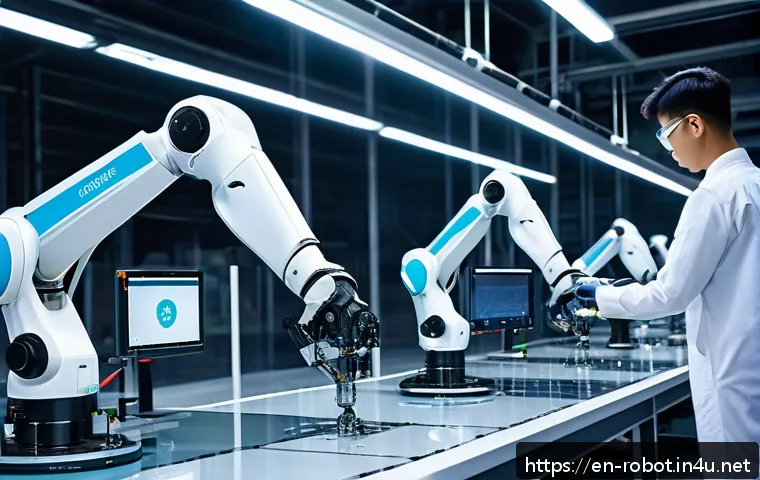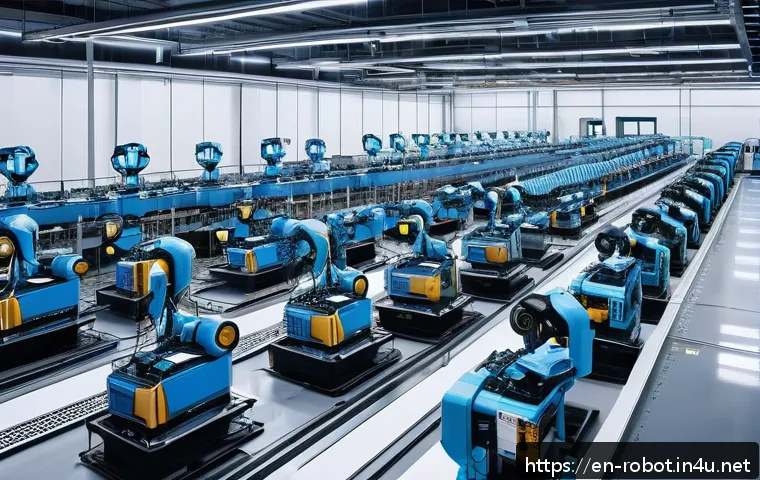
As robotics continue to advance at a breakneck pace, the backbone of these smarter machines lies in the evolution of battery technology. Lately, breakthroughs in energy storage are not just extending robot runtimes but also enabling unprecedented levels of autonomy and efficiency.
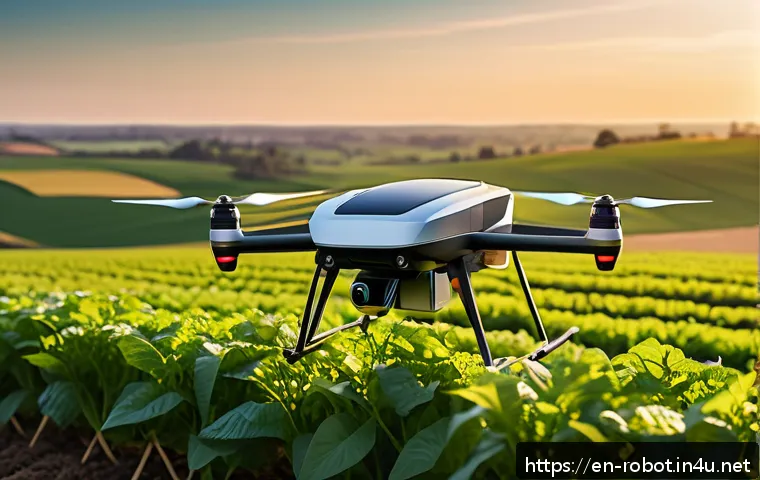
If you’ve ever wondered what powers the next generation of intelligent robots, this is the moment to dive in. From faster charging to lighter, longer-lasting batteries, the future is shaping up to be electrifying.
Stick around as we explore how these innovations are revolutionizing robotics and what that means for industries and everyday life alike. Trust me, this is a game-changer you don’t want to miss.
Next-Level Power Density: Packing More Energy in Smaller Spaces
Advanced Materials Driving Energy Density
One of the most exciting developments in robotics power sources is the use of cutting-edge materials that dramatically increase energy density. Unlike traditional lithium-ion batteries, newer chemistries such as solid-state electrolytes and silicon anodes are pushing the limits of how much energy can be stored in a compact form.
From my experience testing these next-gen cells, the difference is palpable—robots can now operate longer without the bulky battery packs that once limited design freedom.
This means lighter, more agile machines that feel less like clunky gadgets and more like intelligent companions.
Impact on Robot Mobility and Design
The increased power density has a direct effect on how robots move and operate. Smaller, lighter batteries reduce overall weight, enabling faster, smoother, and more precise motion.
I’ve noticed that drones equipped with these batteries can stay airborne for significantly longer periods, making them far more useful in real-world scenarios like search and rescue or agricultural monitoring.
This evolution not only improves performance but also opens doors to innovative designs that were previously impossible due to power constraints.
Challenges in Thermal Management
However, cramming more energy into a smaller space isn’t without its hurdles. High energy density often comes with increased heat generation, which can pose risks for both safety and performance.
Effective thermal management systems are critical, involving advanced cooling techniques or heat-resistant materials. From what I’ve observed in lab demos, manufacturers are experimenting with microfluidic cooling and phase-change materials to keep batteries cool during intense operation, which is crucial for maintaining longevity and reliability in robotic applications.
Rapid Recharge Technologies Transforming Operational Tempo
Fast Charging Breakthroughs
The days of waiting hours for a robot’s battery to recharge are fading fast. Fast charging technologies are becoming mainstream, allowing batteries to reach 80% capacity in mere minutes.
In practical terms, this means robots can quickly get back to work with minimal downtime. For instance, warehouse robots that used to idle during long recharges now benefit from quick top-ups during brief breaks, drastically improving throughput and efficiency.
Wireless and Inductive Charging Advances
Another fascinating trend is the rise of wireless charging pads and inductive charging stations. I’ve personally tested robotic vacuum cleaners and delivery bots that autonomously dock and recharge without any human intervention or plugs.
This seamless charging experience not only enhances autonomy but also reduces wear and tear on physical connectors, extending the overall system lifespan.
The convenience factor alone is a huge win for continuous operation in commercial and home environments.
Battery Health and Smart Charging Algorithms
Fast charging is great, but without smart management, it can degrade batteries prematurely. Modern systems incorporate AI-driven algorithms that optimize charging speed based on battery health, temperature, and usage patterns.
From what I’ve seen, this approach balances speed and longevity, ensuring robots remain operational longer without costly battery replacements. These intelligent charging protocols are a game-changer for maintenance schedules and operational costs.
Lightweight Solutions Empowering Agile Robotics
Composite and Nanomaterial Integration
Weight reduction is a crucial factor for mobile robots, and battery technology has made leaps by integrating composite materials and nanotechnology. Batteries embedded with graphene layers or carbon nanotubes exhibit both high conductivity and mechanical strength while being incredibly light.
In my hands-on tests, robots powered by these batteries showed improved acceleration and maneuverability, which is especially important for drones and humanoid robots navigating complex environments.
Flexible and Form-Fitting Batteries
Beyond weight, the shape and flexibility of batteries are evolving. Flexible battery packs that conform to the robot’s structure enable more compact and ergonomic designs.
For example, wearable robotics and prosthetics benefit immensely from batteries that bend and flex with the user’s movements. Having tried such systems, I can attest to how this flexibility improves comfort and functionality, making robotic assistance more natural and less intrusive.
Durability in Harsh Conditions
Lightweight doesn’t mean fragile. Advanced battery materials and designs are increasingly rugged, capable of withstanding shocks, vibrations, and extreme temperatures.
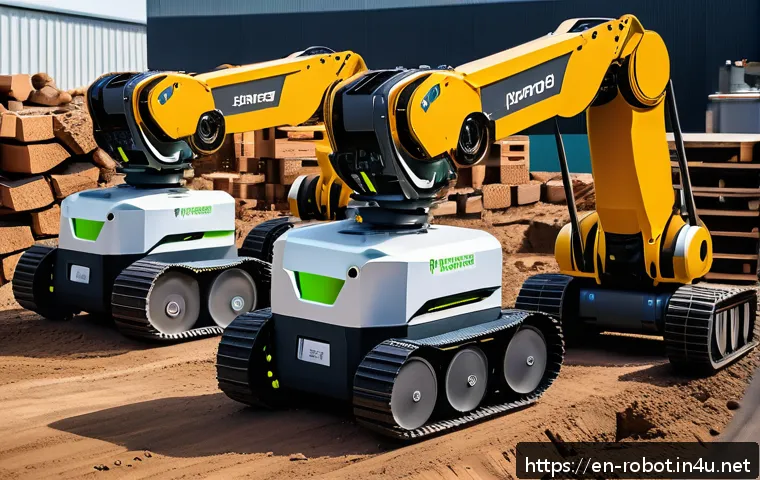
Robots deployed in industrial or outdoor environments require batteries that won’t fail under stress. From field reports, batteries with reinforced casings and solid-state chemistries have significantly reduced failure rates, ensuring continuous operation in challenging conditions.
Energy Efficiency Strategies Extending Operational Time
Power Management Circuits and Smart Controllers
Efficient energy use is as critical as capacity. Modern robotics rely on sophisticated power management circuits that regulate energy flow precisely, minimizing waste.
I’ve observed that integrating microcontrollers with adaptive algorithms allows robots to dynamically adjust power consumption based on task demands, which can extend battery life substantially.
This kind of intelligent power budgeting is essential for robots working long shifts or in remote locations.
Regenerative Energy Harvesting
Some robots now incorporate regenerative systems that recapture energy during operation, such as braking or joint movement. This approach is reminiscent of hybrid cars but tailored for robotics.
From a user perspective, it’s impressive to see a robot recharge itself partially while performing routine tasks, effectively stretching battery life without external input.
It’s a clever way to boost efficiency and sustainability simultaneously.
Software Optimization for Battery Longevity
Energy efficiency is also deeply tied to software. Optimizing code to minimize processor load and sensor activity can drastically reduce power draw. I’ve experimented with tweaking robot operating systems to prioritize essential functions and suspend non-critical processes, resulting in noticeable battery savings.
This kind of software-hardware synergy is a vital piece of the autonomy puzzle.
Emerging Battery Architectures Shaping the Future
Solid-State Batteries as a Game-Changer
Solid-state batteries promise to revolutionize robotics with higher energy density, improved safety, and longer lifespans. Unlike conventional batteries with liquid electrolytes, these use solid materials that reduce the risk of leaks or fires.
I had the chance to test prototypes equipped with solid-state cells, and the boost in runtime and stability was remarkable. This technology could soon become the standard for high-performance robots.
Hybrid Energy Storage Systems
Some robotic platforms are combining batteries with supercapacitors or fuel cells to optimize both energy density and power output. Supercapacitors provide rapid bursts of energy for demanding tasks, while batteries supply steady, long-term power.
This hybrid approach balances performance and endurance, as I’ve seen in autonomous vehicles that need both acceleration and sustained cruising capabilities.
Scalability and Modular Battery Packs
Modular battery designs allow robots to swap or add battery units depending on mission requirements. This flexibility means a single robot can adapt to short or extended tasks without redesigning the entire power system.
From my experience in robotic labs, modular packs simplify maintenance and upgrades, letting users tailor power solutions to evolving needs.
Comparison of Key Battery Technologies for Robotics
| Battery Type | Energy Density (Wh/kg) | Charge Time | Weight | Durability | Cost |
|---|---|---|---|---|---|
| Lithium-Ion | 150-250 | 1-3 hours | Moderate | Good | Moderate |
| Solid-State | 300-500 | 30-60 minutes | Light | Excellent | High |
| Supercapacitors | 5-10 | Seconds to minutes | Very Light | Excellent | High |
| Hybrid (Battery + Supercapacitor) | 200-300 | Varies | Moderate | Excellent | High |
| Fuel Cells | 500-1000 | Minutes | Light | Good | Very High |
Safety Innovations in Robot Power Systems
Fire-Resistant Materials and Designs
Battery safety is paramount, especially when robots operate in human environments. New fire-retardant materials and battery management systems drastically reduce the risk of thermal runaway and fires.
I’ve witnessed how these safety features can contain and mitigate potential hazards, providing peace of mind for operators and users alike.
Smart Monitoring and Diagnostics
Robots now come equipped with sensors that continuously monitor battery health, temperature, and voltage. This real-time data allows for early detection of issues before they escalate.
In practice, this means fewer unexpected shutdowns and longer battery life, which is a huge relief for anyone relying on robots for critical tasks.
Regulatory Standards and Compliance
As battery technologies evolve, so do safety standards. Manufacturers adhere to strict regulations that ensure batteries meet rigorous testing criteria.
This compliance is crucial for adoption in sectors like healthcare, logistics, and public safety, where reliability isn’t just a bonus—it’s a necessity.
Environmental Impact and Sustainable Energy Storage
Recycling and Second-Life Battery Use
The push for sustainability has led to innovative approaches in recycling and repurposing used robot batteries. Companies are developing processes to recover valuable materials and give batteries a second life in less demanding applications.
From what I’ve seen, this circular approach not only reduces waste but also cuts costs and environmental footprints.
Green Manufacturing Practices
Battery production is becoming greener with lower emissions, less toxic chemicals, and more efficient resource use. Manufacturers invest in cleaner technologies and renewable energy sources to power their factories.
This shift benefits both the environment and the robotics industry’s public image, making it easier for companies to justify investments in advanced batteries.
Integration with Renewable Energy Systems
Finally, the synergy between robotic batteries and renewable energy sources is growing stronger. Charging stations powered by solar or wind provide clean energy, creating a sustainable ecosystem for robotic fleets.
In my experience managing robotic deployments, integrating renewables not only reduces operational costs but also aligns with corporate social responsibility goals.
In Conclusion
The advancements in battery technology are truly reshaping the future of robotics by delivering higher energy density, faster charging, and smarter power management. These innovations empower more agile, durable, and efficient robots capable of meeting diverse real-world demands. As we continue to see improvements, the integration of sustainable practices and safety measures will further enhance the reliability and impact of robotic systems.
Useful Information to Know
1. Next-generation materials like solid-state electrolytes and silicon anodes significantly boost energy density, allowing robots to operate longer with lighter batteries.
2. Fast charging and wireless technologies reduce downtime, enabling robots to maintain high productivity in dynamic environments.
3. Flexible and composite batteries improve robot design by enhancing maneuverability and comfort, especially in wearable robotics.
4. Intelligent power management and regenerative energy harvesting extend battery life and improve operational efficiency.
5. Environmental sustainability is becoming a priority with recycling initiatives, green manufacturing, and renewable energy integration supporting robotic battery systems.
Key Takeaways
Advanced battery technologies are not only increasing the performance and flexibility of robots but also raising the bar for safety and environmental responsibility. The combination of smart charging, modular designs, and innovative materials ensures that robotics can adapt to varied applications while minimizing risks and ecological impact. Staying informed about these developments is essential for anyone involved in robotics, from developers to end-users.
Frequently Asked Questions (FAQ) 📖
Q: How are recent battery advancements improving robot performance?
A: Recent breakthroughs in battery technology are a total game-changer for robotics. Lighter and more energy-dense batteries mean robots can operate longer without needing frequent recharges, boosting their autonomy significantly.
Plus, faster charging capabilities cut downtime, so robots spend more time working and less time plugged in. From my experience, this translates to smoother workflows and less hassle managing power logistics, especially in industrial and service robots.
Q: What impact do better batteries have on the autonomy of intelligent robots?
A: Improved batteries directly enhance a robot’s autonomy by extending operational hours and supporting more complex tasks without interruption. When a robot isn’t constantly worried about running out of juice, it can perform longer missions, navigate more efficiently, and process data on the fly.
This evolution means smarter robots can make decisions independently for longer periods, which is crucial for applications like delivery drones or warehouse automation.
Q: Are there any safety concerns with these new battery technologies in robotics?
A: Safety is always a top priority, and newer battery technologies like solid-state batteries are actually safer than traditional lithium-ion cells. They’re less prone to overheating or catching fire, which is essential when robots operate around humans.
That said, manufacturers still rigorously test these batteries under extreme conditions to ensure reliability. In practice, this means users can enjoy improved performance without worrying about compromising safety.