Imagine waking up to a world where technology doesn’t just assist us, but genuinely enhances what it means to be human. It sounds like something straight out of a blockbuster movie, doesn’t it?
Yet, the incredible advancements unfolding in robotics and bionics are quickly turning those futuristic dreams into our everyday reality. From intelligent machines that are revolutionizing industries and streamlining our daily tasks to groundbreaking bionic limbs that restore and even surpass natural capabilities, we’re on the cusp of an era where the lines between us and technology are beautifully blurring.
I’ve been absolutely captivated by this space for years, watching these innovations unfold, and honestly, the sheer pace of progress is breathtaking. This isn’t just about cool gadgets or distant possibilities; it’s about fundamentally reshaping our health, our work, and our very definition of human potential.
Curious to explore how these game-changing fields are set to transform our lives and what truly lies ahead? Let’s dive deeper into this fascinating future right below.
Well, hello there, fellow tech enthusiasts and curious minds! I’m absolutely thrilled to jump into one of my favorite topics with you today. Forget the sci-fi movies for a second, because the reality of robotics and bionics is, honestly, even more mind-blowing.
I’ve been following these fields for what feels like ages, and the sheer speed at which they’re evolving is truly something to behold. We’re not just talking about incremental improvements; we’re witnessing a complete paradigm shift in how we live, work, and even perceive human capability.
What used to be the stuff of dreams – intelligent machines seamlessly integrating into our lives, or bionic limbs that don’t just restore but *enhance* natural abilities – is now becoming our everyday.
So, buckle up, because we’re about to explore a future that’s already knocking at our door, and trust me, it’s more incredible than you can imagine.
The Dawn of Our Automated Companions

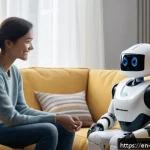
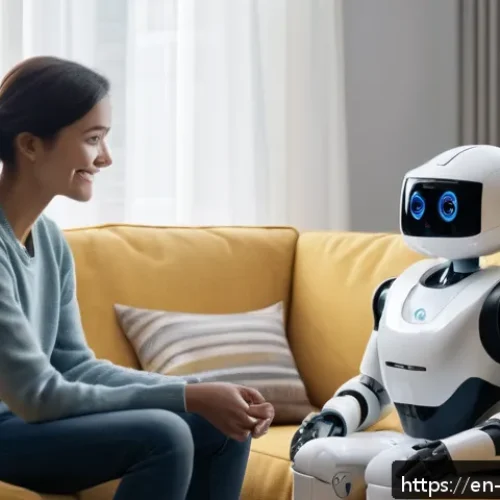
You know, for years, the idea of robots doing our chores or helping out around the house felt like a distant fantasy, right? But seriously, if you’ve been paying attention, it’s not just in sci-fi anymore. I’ve seen firsthand how these incredible machines are stepping out of industrial factories and into our daily lives, making a real impact. Think about it: remember when robot vacuums were clunky and got stuck on every rug? Now, they’re so intelligent, equipped with LiDAR and AI navigation, that they can map your entire home, avoid obstacles like your pets or that pile of clothes you left on the floor, and even clean multiple levels of your house by cleverly climbing stairs with dedicated modules. It’s not just about tidiness, though. We’re seeing service robots in hospitals assisting patients, delivering medication, and cleaning rooms, especially crucial with increasing labor shortages in healthcare. This isn’t just about convenience; it’s about redefining what “help” looks like in our modern world, freeing up human hands for more complex, empathetic tasks. It genuinely feels like we’re entering an era where our homes and workplaces are becoming smarter, more efficient, and frankly, a lot more helpful, all thanks to these tireless, metallic helpers. And let me tell you, once you experience a fully autonomous cleaning robot, it’s hard to go back!
Intelligent Assistants in Every Nook and Cranny
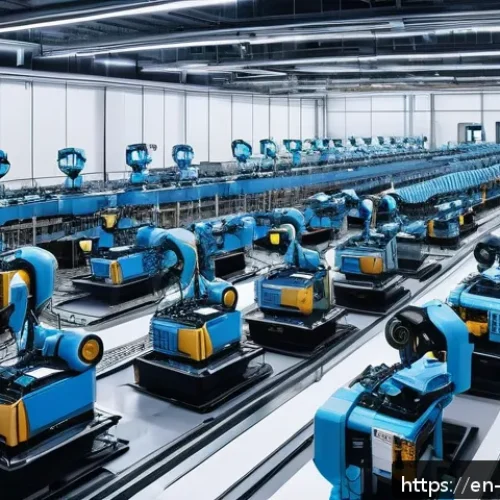
From smart homes to sprawling warehouses, intelligent robots are becoming an invisible workforce. What I’ve found fascinating is how companies like Amazon are deploying over a million robots in their fulfillment centers, collaborating with human employees to handle repetitive tasks like sorting and transporting packages. This isn’t just about speed; it’s about improving efficiency by a remarkable 25% and even contributing to sustainability by minimizing packaging waste. Beyond the industrial scale, we’re seeing robots that serve food, provide room service, and even brew coffee in hotels and restaurants. I mean, imagine checking into a hotel and having a robot deliver your late-night snack – that’s not just efficient, it’s a memorable experience! It truly feels like every sector is finding ways to integrate these advanced assistants, not to replace us, but to augment our capabilities and make daily operations incredibly smooth.
The Rise of Autonomous Systems and Their Broader Reach
It’s not just the visible robots that are changing things; it’s the underlying autonomous systems that power them. These systems, driven by advancements in AI and machine learning, are moving beyond simple programmed tasks. They’re learning, adapting, and collaborating in ways we couldn’t have imagined a decade ago. From self-driving vehicles that enhance mobility to drones overseeing construction sites, these technologies are increasing efficiency and precision across countless domains. I recently heard about a new framework called ViTa-Zero from Amazon Robotics that’s tackling complex object manipulation challenges by integrating visual and tactile information, even when data is limited. This kind of innovation means robots are becoming more capable of handling unstructured environments, which is a massive leap forward. I genuinely believe that this growing autonomy will continue to transform logistics, manufacturing, and even areas like life sciences, making once-complex processes seem almost effortless.
Bionics: Reimagining Human Potential, Not Just Restoring It
Now, if robotics excites me, bionics absolutely captivates me. We’re not just talking about prosthetics that look like a limb; we’re talking about bionic devices that are so integrated, so intuitive, that they feel like a natural extension of a person’s body. I’ve been utterly amazed by stories like that of Tilly Lockey, a 19-year-old who has some of the world’s most advanced bionic hands, controlled by her thoughts. She even co-designed them with Open Bionics, making them not just functional but customizable and stylish, allowing her to express herself. It’s not just about regaining function; it’s about reclaiming identity and enhancing personal capabilities. Think about a bionic knee prosthesis seamlessly integrated into tissue, designed to restore natural movement and feel more like the user’s own body. Clinical trials have shown how these devices can transform mobility, making everyday navigation smoother and more intuitive for users. It’s a powerful testament to human ingenuity, pushing the boundaries of what’s possible and making what was once a limitation a platform for incredible innovation.
Mind-Controlled Limbs: A Glimpse into the Future of Connection
The idea of controlling a prosthetic limb with your thoughts used to be pure science fiction. But let me tell you, we are absolutely living in that future right now. Companies like BrainCo are pioneering non-invasive brain-computer interface (BCI) technology, leading to breakthroughs like their Intelligent Bionic Hand. I read about Jian, an amputee who, with this bionic hand, can now perform complex tasks like playing the piano, typing, and even rock climbing. His story is incredibly moving – from frustration over simple tasks to a “rebirth” where he’s pursuing new dreams. This hand interprets electromyographic and neural signals in real-time, translating movement intentions into precise actions. And it’s not just hands; early human trials with Neuralink devices are showing that people can control computers and robotic arms with their thoughts. This isn’t just about movement; it’s about a profound reconnection, restoring autonomy and unlocking new dimensions of human potential. It truly gives me goosebumps to think about the possibilities this opens up for so many.
Beyond Restoration: Augmenting Human Abilities
What’s truly exciting, in my humble opinion, is how bionics is moving beyond simply restoring lost function and starting to *augment* human abilities. Think about exoskeletons – not just for supporting people with disabilities like stroke or spinal cord injury, but also for enhancing physical activity and strength for workers in demanding environments. These wearable devices can assist with balance, ambulation, reaching, and grasping, essentially making us stronger and more resilient. AI is playing a huge role here, helping these exoskeletons adapt to a user’s gait, posture, and environment, creating a truly personalized experience. Sarah de Lagarde, who describes herself as “80% human, 20% bionic,” shares how her AI-assisted arm provides “can-crushing strength.” This isn’t about replacing human capability; it’s about enhancing it, pushing us beyond our natural biological limits. I’m convinced we’re just scratching the surface of how these technologies will redefine what it means to be humanly capable.
Redefining Work and Industry: A Collaborative Future
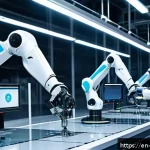
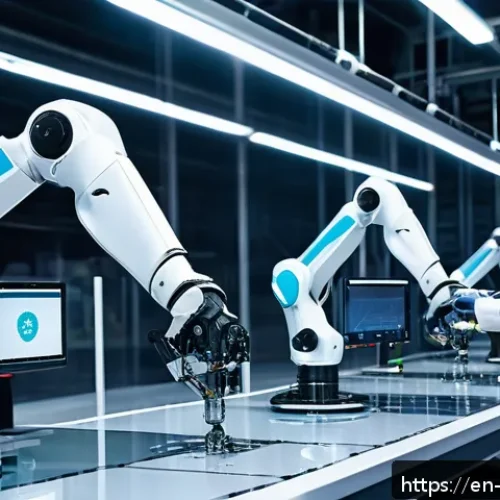
Let’s be real: whenever we talk about automation, the first thing many people think about is jobs. And it’s a valid concern, one I’ve thought about deeply. But what I’ve observed is that while some roles are indeed changing, the bigger picture is about a collaborative future where humans and machines work together, often creating entirely new opportunities. Robots and AI are transforming manufacturing, improving production rates, efficiency, and safety. My research shows that industries like manufacturing have been leveraging AI-enabled robotic arms for decades, working alongside humans for tasks like assembly and stacking. And honestly, the advancements in robotic vision, driven by AI and deep learning, mean these machines are getting incredibly precise, which is a game-changer for quality control and complex operations. It’s not just about automating manual labor; it’s about developing new skilled roles, like robot technicians, AI specialists, and digital twin architects. The World Economic Forum’s “Future of Jobs 2025” report confirms this: job displacement is often a transition, creating demand for new, skilled roles. It’s about upskilling and reskilling, evolving with the technology, and I think that’s an exciting challenge for all of us.
Automation’s Economic Ripple Effect
The economic impact of robotics and AI is, frankly, astounding. We’re seeing a professional service robots market that was valued at $58.51 billion in 2024 and is projected to reach $195.58 billion by 2029, with an impressive CAGR of 27.7%. That’s massive growth! This surge is driven by factors like labor shortages, tailor-made solutions for specific industries, and significant cost savings. Companies are realizing that by investing in automation, they can achieve higher productivity, more efficient material use, and enhanced product quality. While there are debates about offshoring versus reshoring, the overall trend points to increased demand for specialized intermediate inputs in robotized sectors, demonstrating a complex but ultimately growth-oriented economic evolution. I’m particularly interested in the “Robots-as-a-Service” model that’s emerging, which reduces upfront costs and makes automation more accessible, even for smaller firms. This democratization of advanced tech could spur innovation in unexpected places, and I find that incredibly promising.
New Roles Emerge in a Shifting Landscape
It’s true that repetitive jobs, like data entry and some customer service roles, are already being automated by AI and robotic process automation. A 2024 study even found that 60% of administrative tasks are automatable. But here’s the kicker: this isn’t a zero-sum game. This shift is fueling demand for roles like machine learning specialists, cybersecurity experts, and AI prompt engineers. Workers in creative positions are more likely to have their jobs *augmented* by AI rather than replaced, forcing an exciting upskilling effort across the board. I believe the key is continuous learning and adapting to these new tools. Rather than fearing robots, we should be learning to work with them, manage them, and even design them. This transformation means more meaningful work for humans, as we focus on problem-solving, creativity, and the human element that machines simply can’t replicate. It’s an evolution, not an extinction event for our careers!
The Ethical Maze: Navigating the Human-Machine Frontier
As much as I love celebrating these technological marvels, I’d be remiss if I didn’t address the elephant in the room: ethics. The rapid advancements in robotics and AI, while incredible, also raise profound ethical questions that we simply can’t ignore. We’re talking about things like potential bias embedded in AI systems if they’re trained on incomplete or unrepresentative data, leading to unfair outcomes. Data privacy and security are huge concerns, especially with AI systems relying on vast amounts of personal information. And then there’s the question of transparency and accountability – if an AI system operates as a “black box,” how do we understand and take responsibility for its decisions? These are complex issues, and I believe that as developers and users, we all have a responsibility to push for ethical guardrails and robust regulatory frameworks. It’s not about slowing down progress, but ensuring it’s progress that serves all of humanity, not just a select few. I mean, we’re essentially building new forms of intelligence; we have to do it responsibly.
Bias, Transparency, and Accountability
One of the most pressing ethical concerns that keeps me up at night is the issue of bias. If AI algorithms are trained on biased datasets, they will inevitably make biased decisions, perpetuating and even amplifying existing inequalities. For instance, an AI designed to detect humans might fail to recognize individuals with certain hair colors if it was only trained on images of people with blonde hair. This isn’t just a theoretical problem; it’s resulted in systems with racial and gender biases in real-world applications. We also need to talk about transparency. Many advanced AI systems are “black boxes,” making it incredibly challenging to understand how they arrive at their conclusions. This lack of explainability makes accountability a nightmare, and it erodes trust, especially in sensitive areas like healthcare or legal decisions. I really think it’s crucial for developers to implement rigorous quality checks on training data and actively work towards more transparent and explainable AI models.
Privacy in an Increasingly Connected World
With robots and AI becoming more intertwined with our daily lives, collecting vast amounts of data to function effectively, our privacy is naturally a major concern. Think about smart home robots mapping our living spaces or personal assistants recording our conversations. While these technologies offer convenience, they also raise questions about who has access to this data, how it’s stored, and how it’s used. The persistence of data poses challenges for informed consent, and AI’s ability to recognize patterns means it can gather insights even without direct access to personal information. It’s a fine line between innovation and intrusion, and I believe strong data protection frameworks and constant vigilance are essential. As users, we need to be more aware of what data our devices are collecting, and as a society, we need to demand that our privacy is protected at every stage of AI development and deployment.
From Labs to Living Rooms: The Democratization of Advanced Tech

What really gets me excited is seeing these cutting-edge technologies, once confined to high-tech labs and specialized industries, making their way into our everyday lives. It’s not just about the big corporations anymore; it’s about accessibility and how these advancements are enhancing the lives of ordinary people. We’re seeing significant investment in deployable real-world AI technologies, making “embodied AI” – intelligent technologies embedded in physical forms like robots and assistive devices – increasingly common. This shift is evident in the consumer market, where smart assistants and service robots are growing rapidly. Remember when the internet felt like something only for scientists? Now, imagine that same trajectory for advanced robotics and bionics. This democratization isn’t just making life easier; it’s fostering a new era of innovation where user feedback directly influences development, making the tech even more relevant and impactful. I truly believe that the more accessible these technologies become, the more they will transform our collective human experience.
Consumer Robotics: Beyond the Vacuum Cleaner
When I talk about consumer robotics, most people immediately think of a robot vacuum. And yes, they’ve come a long way, becoming incredibly sophisticated with AI navigation and multi-floor cleaning capabilities. But the field is rapidly expanding far beyond that. We’re seeing more and more professional-level features making their way into consumer products, like the JONR X1 Max robotic vacuum with advanced anti-tangle mechanisms and AI navigation. Beyond cleaning, think about AI-powered kitchen appliances that make cooking easier or even robotic arms for hobbyists and educators. We’re also seeing the emergence of companion robots designed for social interaction and companionship, even for people with intellectual disabilities, providing personalized support and reminders. These are not just gadgets; they are becoming integral parts of our smart homes, reflecting a growing demand for intelligent appliances that seamlessly integrate into our lives. I predict we’ll soon see robots handling more complex tasks, making our lives genuinely easier and more connected.
Making Bionics Accessible and Personalized
The movement towards more accessible and personalized bionic solutions is nothing short of revolutionary. Historically, advanced prosthetics were often out of reach for many due to cost and limited customization. However, the landscape is changing dramatically. We’re seeing breakthroughs like Kawatek’s RYO prosthetic hand, which uses myoelectric signals and AI for incredibly precise and natural movements, offering adaptive grip recognition for everything from delicate objects to heavier items. What’s truly impressive is how these innovations are addressing a key consumer need: intuitive, lifelike control. Furthermore, firms like the Nigerian company creating hyperrealistic bionic arms that match various skin tones and respond to brain signals are pushing for inclusivity and affordability worldwide. This focus on individual needs, from functional capabilities to aesthetic matching, truly resonates with me. It signifies a future where bionic solutions are not just high-tech devices but deeply personal extensions that restore both function and confidence, allowing individuals to truly thrive.
Transformative Healthcare: A New Era of Personalized Care
The impact of robotics and bionics on healthcare is nothing short of miraculous. It’s truly transforming what’s possible in patient care, diagnostics, and even rehabilitation. I’ve been particularly impressed by the advancements in robotic-assisted surgery. Hospitals are adopting systems like the da Vinci 5, which offer surgeons greater precision and control, leading to shorter hospital stays, fewer complications, and easier recoveries for patients. This isn’t just about making surgery better; it’s about fundamentally improving patient outcomes and the overall healthcare experience. Beyond the operating room, we’re seeing how AI-powered exoskeletons are revolutionizing physical therapy, allowing for tailored interventions based on real-time data, significantly enhancing treatment outcomes for people recovering from injuries or living with neurological impairments. It feels like we’re finally entering an era of truly personalized medicine, where technology works in harmony with human expertise to deliver exceptional care.
Precision Surgery and Enhanced Recovery
When I think about surgical robots, it’s not about robots replacing surgeons; it’s about making skilled surgeons even better. I’ve seen stories of surgeons who’ve been using robotic systems for years, and they often describe how it makes them more efficient and precise, especially for complex procedures like joint replacements or even brain surgery. The adoption of fifth-generation robotic surgical systems, with their more than 150 design enhancements, is making this technology more widespread. What truly stands out is the benefit to patients: the ability for a “gentler approach” during surgery, which means less invasive procedures, faster recovery times, and ultimately, a better quality of life post-operation. It’s incredible to think that what was once a highly invasive procedure can now be performed with such minimal impact, allowing people to get back to their lives much quicker. This is a profound shift in how we approach healing and recovery.
Rehabilitation Reimagined with Smart Tech
For anyone who has experienced or witnessed physical rehabilitation, you know how challenging and often frustrating it can be. But here’s where bionics and robotics are truly stepping in to make a monumental difference. Integrated tissue technology in bionic knees is allowing amputees to experience natural movement, feeling their prosthetic as a valid extension of themselves. Think about the psychological boost that comes with that! Furthermore, AI-powered exoskeletons are providing targeted support, adapting to a user’s specific movements and helping them regain strength and mobility. These devices are not just passive aids; they are active partners in the recovery process, interpreting user intent and responding in real-time. I also find the role of social robots in supporting people with intellectual disabilities incredibly heartwarming, offering companionship and personalized daily assistance, thus enhancing their emotional well-being and independence. It’s a complete reimagining of rehabilitation, making it more effective, engaging, and ultimately, more human-centric.
| Era | Focus | Key Technologies | Impact on Humans |
|---|---|---|---|
| Mid-20th Century | Industrial Automation | Fixed Robotic Arms, Rule-Based Systems | Increased manufacturing efficiency, repetitive task automation |
| Late 20th – Early 21st Century | Assistive Robotics, Early AI | Basic Robot Vacuums, Prosthetics (limited functionality), Expert Systems | Early steps in home convenience and basic functional restoration |
| Current (2020s-2025) | Intelligent Autonomy, Bionic Integration | AI/ML, Advanced Sensors, Brain-Computer Interfaces (BCI), Adaptive Bionics, Cobots | Enhanced physical capabilities, personalized assistance, new skilled jobs created, improved surgical outcomes |
| Near Future (2025-2035) | Seamless Human-Machine Synergy | Embodied AI, Hyper-personalized Bionics, Advanced Humanoid Robots, Global Robotics-as-a-Service | Broader integration into daily life, widespread human augmentation, ethical governance frameworks |
My Personal Take: What This Means for You and Me
Alright, so after diving deep into all this, what does it really mean for us, for you and me, living our everyday lives? For me, it boils down to an incredible expansion of human potential. I’ve personally been fascinated by the sheer creativity that these technologies unlock. It’s not about becoming less human; it’s about having more tools, more support, and more opportunities to achieve what once seemed impossible. When I hear stories about someone regaining the ability to play the piano or climb mountains thanks to a bionic hand, it truly resonates. Or when I see how robotic surgery allows for faster, less painful recoveries, I realize this isn’t just tech for tech’s sake – it’s technology with a heart, designed to improve lives. Sure, there are challenges, particularly around ethics and job markets, and we absolutely need to address those proactively and thoughtfully. But I’m an optimist. I believe that with careful consideration and a focus on human-centric design, we can steer this revolution towards a future that’s not only technologically advanced but also deeply empathetic and inclusive. It’s a conversation we all need to be a part of, because this future is being built right now, by all of us, for all of us.
Embracing the Augmentative Future
From where I stand, the most exciting aspect of this revolution is the concept of augmentation. It’s not about machines replacing us, but about them *enhancing* us. Think of it like this: your smartphone didn’t replace your brain, but it augmented your ability to access information, connect with others, and navigate the world. Robotics and bionics are doing the same for our physical and cognitive capabilities. Whether it’s an exoskeleton making physical labor less strenuous or a bionic limb providing intuitive control, these technologies are giving us superpowers that were once reserved for comic books. I find myself constantly thinking about how these tools can help us overcome limitations, extend our healthy lifespans, and even explore new forms of artistic expression or athletic achievement. It’s about leveraging technology to become the best versions of ourselves, and I honestly can’t wait to see what new horizons this opens up for human ingenuity.
Navigating the Ethical Crossroads Together
Of course, with great power comes great responsibility, right? And this is where we all come in. The ethical questions surrounding AI and robotics – like bias, privacy, and accountability – aren’t just for academics or engineers to solve. They’re conversations for all of us, as citizens, consumers, and innovators. I firmly believe that the more diverse voices we bring to the table, the better equipped we’ll be to build a future that’s fair, equitable, and safe for everyone. We need strong regulations, thoughtful design, and a collective commitment to using these powerful tools for good. It’s a journey, not a destination, and there will be bumps along the road. But by staying informed, asking tough questions, and advocating for responsible development, we can ensure that this incredible technological leap truly benefits all of humanity. It’s a future we’re building together, piece by bionic piece, one thoughtful robot at a time.
Wrapping Things Up
Well, what a journey we’ve had through the incredible landscapes of robotics and bionics! It’s truly mind-boggling to think about how far we’ve come and even more exciting to ponder where we’re headed. I genuinely hope this dive has sparked your imagination as much as it has reinforced my own belief in human ingenuity and our remarkable capacity to innovate. These aren’t just abstract technologies; they are becoming deeply woven into the fabric of our lives, offering unprecedented opportunities to enhance our capabilities, solve complex challenges, and redefine what it means to be human in an increasingly automated world. While we navigate the ethical considerations and adapt to new ways of working, the overarching message for me is one of immense optimism and a collaborative future where humans and machines work hand-in-hand to build a better tomorrow.
Useful Information to Know
1. Stay informed by following reputable tech news outlets, academic journals like those from MIT Media Lab, and industry leaders like Boston Dynamics. They often release accessible summaries of their latest breakthroughs and ethical considerations.
2. Consider how your skills can complement AI and robotics. Jobs requiring emotional intelligence, creativity, critical thinking, and complex problem-solving are generally less susceptible to automation and will be increasingly valued.
3. Engage in the ethical conversation! As these technologies advance, your voice matters. Participate in public forums, read discussions on responsible AI, and advocate for policies that prioritize fairness, transparency, and data privacy.
4. Explore educational opportunities in robotics, AI, and even bioengineering if you’re looking to dive deeper. Many online courses, university programs, and community initiatives are popping up to help people learn and even build their own basic robots or bionic applications.
5. If you’re encountering AI in consumer products, like smart home devices or digital assistants, take a moment to understand their data usage policies. Being aware of what data is collected and how it’s used is a crucial step in maintaining your privacy in our connected world.
Key Takeaways
The convergence of robotics and bionics is ushering in a transformative era, moving beyond mere automation to intelligent autonomy and human augmentation. We’re witnessing robots seamlessly integrate into daily life, from advanced home assistance to industrial collaboration, significantly boosting efficiency and creating new economic sectors. Bionics is profoundly redefining human potential, enabling intuitive mind-controlled prosthetics and exoskeletons that not only restore function but also enhance natural abilities. While this revolution promises immense benefits, it also necessitates proactive engagement with critical ethical considerations such as AI bias, data privacy, and job market evolution to ensure a fair and inclusive future. The ongoing democratization of these advanced technologies means they’re becoming more accessible, fostering a collaborative future where human ingenuity, guided by ethical frameworks, leverages these tools to address global challenges and elevate the human experience. It’s a journey of continuous learning and adaptation, shaping a future where technology serves humanity in truly meaningful ways.
Frequently Asked Questions (FAQ) 📖
Q: So, how are robotics and bionics actually making a difference in our daily lives right now?
A: Oh, this is such a fantastic question and one that truly gets to the heart of why I’m so captivated by this space! When I first started following these incredible advancements, it felt like pure sci-fi, but now, it’s genuinely interwoven into our daily fabric in ways you might not even realize.
I’ve personally seen firsthand how robotic assistants are revolutionizing elder care, making it possible for our loved ones to maintain independence longer at home by helping with daily tasks and even providing much-needed companionship.
And in the medical world, it’s just mind-blowing! Think about bionic prosthetics that aren’t just functional but actually connect to the nervous system, allowing users to feel sensations, truly restoring a sense of touch and proprioception, not just mobility.
On the industrial side, collaborative robots, or ‘cobots,’ are making workplaces safer and more efficient, not by replacing human jobs, but by augmenting them and taking on the repetitive, strenuous tasks.
For me, the real ‘aha!’ moment came when I realized how these innovations aren’t just for ‘big’ problems; they’re subtly enhancing the quality of life in countless ways, often behind the scenes, making our world a little bit easier and more connected.
It’s truly transformative and happens right before our eyes!
Q: While all this sounds amazing, are there any downsides or ethical concerns we should be thinking about?
A: That’s incredibly perceptive of you to ask, and honestly, it’s a conversation we must have as these fields continue to advance at such a rapid pace. As much as I’m an advocate for progress and see the immense good these technologies can bring, ignoring the potential pitfalls would be irresponsible.
My biggest contemplation often revolves around equity and access. Will these incredible bionic upgrades and advanced robotic aids only be available to a select few who can afford them, potentially creating a new ‘digital divide’ based on physical or cognitive enhancement?
That’s a real concern that keeps me thinking. Then there’s the whole discussion around data privacy, especially with increasingly sophisticated AI-powered robotics becoming more integrated into our homes and personal lives.
Who owns the data collected by a personal care robot, for instance? And what about the psychological impact? As bionic enhancements become more common and normalized, how will it redefine what it truly means to be ‘human’?
These aren’t easy questions, and there certainly aren’t simple answers, but I firmly believe that open dialogue, thoughtful research, and proactive, informed regulation are absolutely crucial as we navigate this exciting, yet complex, future together.
Q: Looking ahead, what’s the most exciting thing you see coming, and will these incredible technologies be accessible to everyone?
A: What an awesome way to wrap this up – you’re asking all the right questions that light me up! If you ask me what truly keeps me up at night—in the absolute best way possible, of course—it’s the relentless push towards truly intuitive, seamlessly integrated technology that doesn’t just assist but profoundly enhances our natural human abilities.
I’m utterly fascinated by advancements in neural interfaces, where the power of thought alone could control bionic limbs with incredible precision or even interact with external devices, blurring the lines between mind and machine.
Imagine that level of connection and control! We’re also seeing incredible strides in soft robotics, which promises more adaptable, safer, and more natural interactions with humans, whether in a delicate surgical procedure or helping out in a smart home.
Regarding accessibility, that’s where my hopeful side really kicks in, but also where the most thoughtful work needs to be done. While the initial costs for groundbreaking technologies are often prohibitive, I’ve observed a historical trend that gives me a lot of optimism: as new technologies mature, production scales up, and innovation cycles continue, prices tend to come down.
Furthermore, I’m seeing more and more governments, non-profits, and even forward-thinking tech giants exploring ways to make these life-changing innovations more widely available through subsidies, open-source initiatives, and even direct charitable programs.
It’s a marathon, not a sprint, but I genuinely believe that the ultimate goal is for these transformative technologies to improve all human lives, not just a privileged few.
It’s a vision I’m incredibly passionate about and one I truly believe we can achieve!