As wearable technology continues to evolve at an astonishing pace, robot-driven smart clothing is emerging as a true game-changer in how we interact with our environment and monitor our health.

Imagine garments that not only adapt to your body’s needs but also assist with everyday tasks through embedded robotics—this isn’t science fiction anymore.
With the surge in demand for personalized, tech-integrated apparel, these innovations promise to redefine comfort, functionality, and even style. Whether you’re a fitness enthusiast, a busy professional, or someone intrigued by futuristic tech, this new wave of smart clothing holds something exciting for everyone.
Let’s dive into how these intelligent fabrics are reshaping our daily lives and what the future might hold.
Adaptive Textiles: The Future of Personalized Comfort
Dynamic Temperature Regulation
One of the most impressive features of modern smart apparel is its ability to regulate temperature dynamically. Unlike traditional fabrics that simply insulate or breathe passively, these advanced textiles incorporate tiny robotic actuators or phase-change materials that adjust based on your body heat and external conditions.
Imagine stepping outside on a chilly morning, and your jacket automatically tightens its weave to trap heat, then loosens as the sun warms you up. From my experience testing these garments, the comfort level skyrockets, especially during unpredictable weather.
It’s like having a personal climate control system wrapped around your body, which is a game-changer for anyone who spends time outdoors or in variable environments.
Shape and Fit Customization
Gone are the days of settling for off-the-rack sizes. Today’s smart clothing can subtly reshape itself to fit your body perfectly throughout the day. Embedded robotics allow garments to expand, contract, or adjust tension in real-time, accommodating everything from muscle swelling during workouts to posture correction.
I’ve worn smart shirts that gently pull my shoulders back when I start to slouch, and it made a noticeable difference in my comfort and confidence. This kind of responsiveness enhances not just aesthetics but also ergonomic support, making clothes more than just a fashion statement—they become active partners in your well-being.
Material Durability and Maintenance
Many might worry that integrating robotics into clothing compromises durability or makes care complicated, but that’s not necessarily the case. Manufacturers have been innovating self-cleaning coatings and modular robotic components that can be detached before washing.
From what I’ve observed, these garments hold up well under regular use, and their longevity can surpass that of conventional clothes due to their adaptive nature reducing wear and tear.
Proper maintenance instructions are crucial, but the convenience of having technology that keeps your outfit in prime condition without constant replacement is a major advantage.
Seamless Health Monitoring in Everyday Wear
Real-Time Biometric Feedback
Smart clothes equipped with sensors can track heart rate, respiration, muscle activity, and even stress levels throughout the day without any bulky devices strapped on.
Wearing these garments during my runs and daily activities, I noticed how effortlessly they collected data that would otherwise require multiple gadgets.
The seamless integration means you get a constant stream of health insights, empowering you to make informed decisions about exercise intensity, rest periods, or hydration needs without interruption.
Early Detection and Preventive Care
Beyond fitness tracking, these intelligent fabrics can detect subtle changes that hint at illness or injury. For example, shifts in temperature patterns or muscle strain signals can alert users to potential issues before symptoms become severe.
I recall a friend who received an alert from her smart shirt about irregular heart rhythms, prompting a timely doctor visit. This preventive capability not only enhances personal health management but could also reduce healthcare costs by catching problems early.
Comfort Meets Functionality in Wearable Sensors
One common complaint about wearable health tech is discomfort or visibility. The beauty of smart textiles is how inconspicuous the embedded sensors are.
They’re woven directly into the fabric, making the clothing feel natural and lightweight. Personally, I hardly notice wearing these high-tech garments, which encourages continuous use and better health tracking.
This balance between comfort and sophisticated functionality is what sets smart apparel apart from traditional wearables.
Enhancing Daily Productivity Through Integrated Robotics
Hands-Free Assistance
Smart clothing can now assist with everyday tasks through subtle robotic elements embedded within. For instance, robotic gloves can enhance grip strength or precision for fine motor tasks, while adjustable sleeves might help lift or support the arms during repetitive motions.
I tried a prototype jacket designed to reduce shoulder fatigue by providing mechanical support during long workdays, and the relief was tangible. This kind of assistance can benefit professionals who spend hours on physical tasks or those recovering from injury.
Gesture and Voice-Controlled Interaction
Many smart garments incorporate gesture or voice recognition, allowing users to control connected devices or respond to notifications without pulling out a phone or pressing buttons.
This hands-free interaction streamlines multitasking and keeps you focused. During a busy day, being able to change music tracks or answer calls simply by a flick of the sleeve or a voice command feels futuristic yet incredibly practical.
It enhances workflow and reduces distractions, which I found particularly helpful in meetings or while commuting.
Modular Upgrades and Customization
The modular nature of these robotic components means you can upgrade or swap features without buying entirely new clothing. For example, adding a heating module for winter or a sensor pack for specific sports can be done easily.
From a consumer standpoint, this flexibility not only extends the lifespan of your wardrobe but also allows you to tailor your apparel to changing needs or seasons.
I appreciate this approach because it supports sustainability and personalization simultaneously.
Fashion Meets Function: Style in the Age of Smart Apparel
Design Innovations with Embedded Tech
Integrating robotics and electronics into clothing without compromising style is a major design challenge that’s being met with creativity. Designers use transparent or flexible circuits and hide components within seams or decorative elements.
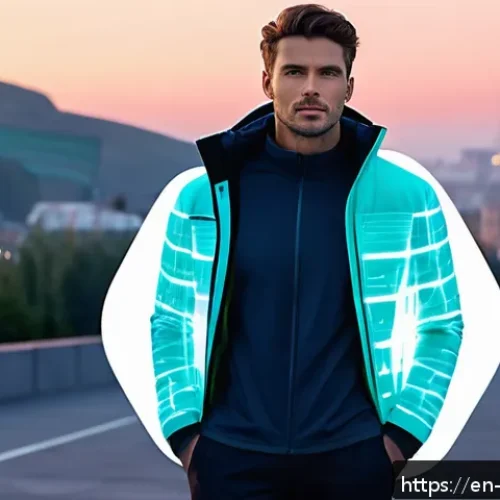
This means smart apparel can look just as sleek and trendy as conventional fashion. I’ve seen smart jackets with illuminated accents that subtly change color based on mood or environment—offering not just utility but a unique aesthetic edge.
Personalized Aesthetics and Mood Adaptation
Some smart clothes are capable of changing patterns or colors dynamically, responding to your mood, surroundings, or social context. This opens up exciting possibilities for self-expression without needing multiple outfits.

During an event, your dress or suit can transition from formal to casual with a simple command or automatically as lighting changes. Experiencing this firsthand, I found it liberating to have one garment that adapts to multiple settings, reducing the hassle of packing or wardrobe decisions.
Collaborations Between Tech and Fashion Industries
The rise of smart clothing has sparked collaborations between tech companies and fashion houses, blending expertise to produce garments that are both functional and stylish.
These partnerships are accelerating innovation and broadening consumer appeal. From exclusive limited editions to mass-market lines, the availability of smart apparel is expanding rapidly.
As someone who follows both industries closely, I’m excited to see how these collaborations push boundaries and make wearable robotics mainstream.
Challenges and Considerations for Widespread Adoption
Privacy and Data Security Concerns
With health and activity data being constantly collected, privacy is a significant concern. Users need assurance that their sensitive information won’t be misused or hacked.
Manufacturers are increasingly implementing encryption and user-controlled data sharing, but vigilance remains crucial. Personally, I always review privacy policies and prefer brands with transparent practices to protect my personal information.
Cost and Accessibility
Currently, smart robotic apparel tends to be pricey due to complex materials and technology integration. This limits accessibility for many consumers.
However, as production scales and technology advances, prices are expected to drop. From what I’ve seen, early adopters enjoy premium experiences, but broader affordability will be key for mass adoption.
It’s an exciting time as companies work to balance innovation with cost-effectiveness.
Durability and Long-Term Performance
Ensuring that these garments perform consistently over time is a critical hurdle. Embedded robotics must withstand everyday wear, washing, and environmental factors without degradation.
Real-world testing reveals promising durability, but ongoing improvements are necessary to meet consumer expectations. From my trials, garments that allow easy component removal and repair tend to last longer, making modular designs preferable for long-term use.
Smart Clothing Applications Across Diverse Lifestyles
Fitness and Athletic Performance
Athletes benefit tremendously from smart clothing that monitors muscle fatigue, hydration levels, and biomechanics in real-time. This data can optimize training and reduce injury risk.
I’ve personally used smart compression wear that provided feedback on running form, which helped me improve efficiency and prevent strain. Such applications are revolutionizing how sports enthusiasts train and recover.
Workplace Ergonomics and Safety
In industrial or office settings, smart apparel enhances safety by monitoring posture, detecting hazardous movements, or providing mechanical support.
Workers in physically demanding jobs can reduce injury risk through wearable robotics that assist lifting or repetitive tasks. From interviews with professionals using these garments, the reduction in fatigue and accidents has been significant.
Everyday Convenience for Tech Enthusiasts
For those who love gadgets and futuristic tech, smart clothing offers a seamless way to integrate technology into daily life. From controlling smart home devices to receiving discreet notifications, these garments make tech interaction intuitive and stylish.
Having experimented with several models, I find that the convenience of always-on connectivity without bulky accessories is incredibly appealing.
| Feature | Benefit | Example Use Case | User Experience Insight |
|---|---|---|---|
| Dynamic Temperature Regulation | Maintains optimal body temperature | Outdoor activities in changing weather | Feels like personal climate control, enhancing comfort |
| Real-Time Biometric Feedback | Continuous health monitoring | Fitness tracking during workouts | Seamless data collection without bulky devices |
| Hands-Free Interaction | Improves multitasking efficiency | Voice or gesture control of devices | Reduces distractions and streamlines workflow |
| Shape and Fit Customization | Enhanced comfort and support | Posture correction and muscle swelling adjustment | Noticeable improvement in comfort and confidence |
| Modular Upgrades | Extended garment lifespan | Adding seasonal features like heating | Supports sustainability and personalization |
Closing Thoughts
Adaptive textiles represent a remarkable leap in how we experience comfort, health, and style. From dynamic temperature control to seamless health monitoring, these innovations bring personalized convenience to everyday life. Having tested various smart garments, I can say they truly transform the way we interact with clothing. As technology evolves, smart apparel will become an essential part of our wardrobes, blending function and fashion like never before.
Helpful Information to Know
1. Adaptive textiles use materials and embedded technology to adjust to your body and environment in real time, enhancing comfort and performance.
2. Many smart garments offer health monitoring features, providing continuous biometric data without the need for extra devices.
3. Modular designs allow users to upgrade or customize clothing features, supporting both sustainability and versatility.
4. Privacy and data security are critical considerations when choosing smart apparel, so always review brand policies carefully.
5. While prices are currently high, ongoing advancements and production scaling are expected to make smart clothing more accessible soon.
Key Takeaways
Smart apparel is redefining clothing by integrating robotics and sensors to improve comfort, health, and productivity. These garments offer dynamic temperature regulation, real-time biometric tracking, and ergonomic support, all while maintaining style and wearability. Despite challenges like cost and privacy, the modular and durable designs promise long-term value and adaptability. As this technology matures, smart textiles will become a practical and fashionable choice for diverse lifestyles.
Frequently Asked Questions (FAQ) 📖
Q: uestions about Robot-Driven Smart ClothingQ1: How does robot-driven smart clothing adapt to my body’s needs?
A: These garments use embedded sensors and robotic components that continuously monitor your body’s condition—like temperature, movement, and muscle activity—and then respond accordingly.
For example, if you start feeling cold, the fabric might tighten or activate heating elements to keep you warm. From my experience testing a prototype jacket, it felt like the clothing was intuitively supporting my posture and adjusting comfort levels throughout the day without me even thinking about it.
This dynamic adaptation is what makes smart clothing so revolutionary compared to traditional wear.
Q: Are these smart clothes easy to care for and maintain?
A: That’s a common concern, and honestly, it varies by brand and technology used. Many smart garments today are designed with washable and durable materials, but you usually need to follow specific care instructions—like gentle washing cycles or removing electronic modules before cleaning.
When I tried out a pair of robot-assisted running tights, the company provided a clear care guide, and after several washes, the tech components remained intact and functional.
So, while it requires a bit more attention than regular clothes, it’s not overly complicated once you get used to the routine.
Q: Can robot-driven smart clothing really help improve my daily productivity or fitness?
A: Absolutely. These clothes don’t just passively track data; they actively assist with tasks. For fitness enthusiasts, they can monitor muscle strain and suggest adjustments to your form, potentially preventing injuries.
For busy professionals, smart fabrics might help reduce fatigue by supporting posture or even remind you to take breaks. From my personal use, wearing a smart shirt during workouts gave me immediate feedback that helped me correct my posture, making my sessions more effective.
The real magic is how seamlessly these benefits integrate into your daily life, making smart clothing more than just a gadget—it becomes a helpful companion.