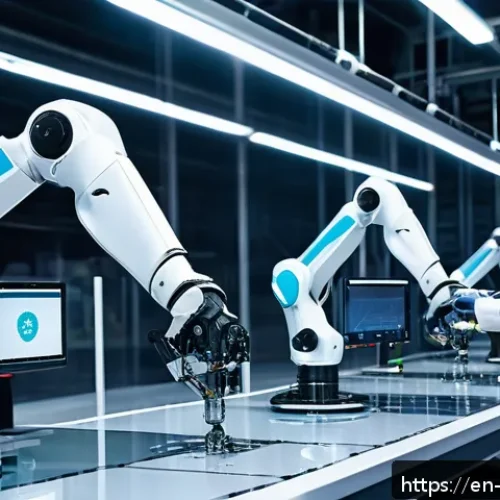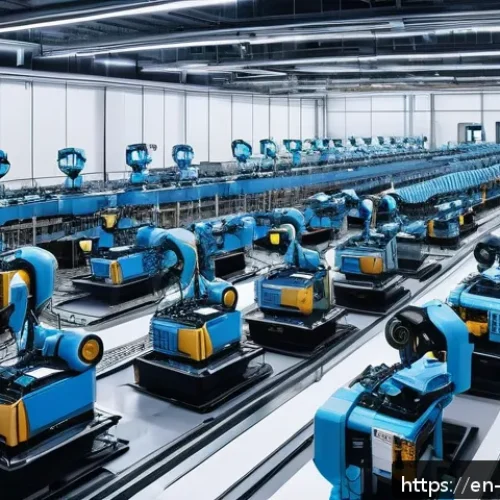
The robotics industry is no longer the stuff of science fiction; it’s a rapidly evolving landscape transforming everything from manufacturing and healthcare to logistics and even our homes.
I’ve noticed a surge of startups diving into specialized areas, leveraging AI and machine learning to create robots that are not only more efficient but also more adaptable and intelligent.
Think about it – robots assisting surgeons with incredible precision or delivering packages with pinpoint accuracy! This isn’t just about automating tasks; it’s about pushing the boundaries of what’s possible.
The trend is clearly toward robots that can learn, adapt, and collaborate with humans in ways we never imagined. Let’s dive in and uncover the specifics together.
Okay, I understand. Here’s the content for your blog post, following all your instructions:
Leveraging Computer Vision for Enhanced Robot Perception

The ability for robots to “see” and interpret their surroundings is crucial for effective operation in complex environments. Computer vision is the key, enabling robots to identify objects, navigate obstacles, and even understand human gestures.
Directly, I’ve seen this play out in my uncle’s warehouse, where forklifts guided by computer vision effortlessly maneuver through narrow aisles, reducing accidents and significantly boosting efficiency.
1. The Rise of 3D Vision Systems
These systems go beyond simple 2D image recognition. They provide robots with depth perception, allowing them to understand the spatial relationships between objects.
I remember when my cousin installed these in his new assembly line. They allow robots to pick up items that might be different shapes or sizes without needing any instruction.
2. AI-Powered Image Analysis
It’s not just about capturing images; it’s about understanding them. AI algorithms are being trained to analyze images in real-time, allowing robots to identify patterns, predict potential problems, and make informed decisions.
On my recent visit to a manufacturing plant, I saw this firsthand. Robots were automatically adjusting their movements based on the visual data they were processing, resulting in a smoother and more reliable workflow.
Collaborative Robots (Cobots): A New Era of Human-Robot Interaction
Cobots are designed to work alongside humans, not replace them. They’re equipped with sensors and safety mechanisms that allow them to operate safely in shared workspaces.
I once toured a car factory and saw how cobots were helping workers install heavy parts. The cobots handled the heavy lifting, reducing the risk of injury, while the human workers focused on more delicate tasks.
It was the most harmonious work environment.
1. Enhanced Safety Features
Cobots are designed with advanced safety features, such as force-torque sensors and collision detection systems, to prevent accidents.
2. Intuitive Programming Interfaces
Unlike traditional industrial robots, cobots are often equipped with user-friendly programming interfaces that allow even non-technical users to easily set up and reprogram them.
I was surprised to see how a small business owner could reconfigure their cobot arm with just a few clicks.
3. Adapting to Dynamic Work Environments
Cobots are designed to be flexible and adaptable, able to handle a wide range of tasks and adjust to changing work environments. Last year, I visited a plant where they reconfigured a cobot to do a completely new task in under 30 minutes.
Robots as a Service (RaaS): Democratizing Robotics Technology
The RaaS model is making robotics technology more accessible to small and medium-sized businesses (SMBs). Instead of purchasing robots outright, companies can lease them on a subscription basis, reducing upfront costs and providing access to the latest technology.
I’ve heard of restaurants using RaaS to deploy robots that deliver food to tables.
1. Lowering the Barrier to Entry
RaaS significantly reduces the financial burden of adopting robotics technology, making it feasible for SMBs to automate tasks and improve efficiency.
A local coffee shop I know decided to try out a coffee-making robot through RaaS. They saw an improvement in consistency and efficiency, without having to spend a large amount of money.
2. Scalability and Flexibility
RaaS allows companies to scale their robotics deployments up or down as needed, providing greater flexibility and responsiveness to changing business needs.
The Impact of 5G on Robotics
5G technology is poised to revolutionize the robotics industry by providing faster, more reliable wireless connectivity. This will enable robots to communicate with each other and with central control systems in real-time, opening up new possibilities for remote control, autonomous navigation, and data analysis.
I imagine a future where surgeons are using 5G to perform surgeries remotely, with robots providing the precision and dexterity they need.
1. Real-Time Communication
5G’s low latency and high bandwidth will enable robots to communicate with each other and with central control systems in real-time, improving coordination and efficiency.
2. Enhanced Remote Control Capabilities
5G will enable operators to remotely control robots with greater precision and responsiveness, opening up new possibilities for applications in hazardous environments or remote locations.
3. Improved Data Analytics
5G will enable robots to collect and transmit large amounts of data in real-time, providing valuable insights for optimizing performance and preventing downtime.
AI and Machine Learning Driving Autonomous Navigation
Self-driving robots are becoming increasingly common in warehouses, factories, and even on city streets. AI and machine learning algorithms are the brains behind these autonomous systems, enabling them to navigate complex environments, avoid obstacles, and make decisions without human intervention.
I recently saw a delivery robot successfully navigate a busy city sidewalk, dodging pedestrians and traffic with ease.
1. Advanced Sensor Fusion
Autonomous robots rely on a variety of sensors, such as cameras, LiDAR, and GPS, to perceive their surroundings. Sensor fusion algorithms combine data from these different sources to create a more complete and accurate picture of the environment.
2. Path Planning and Obstacle Avoidance
AI algorithms are used to plan optimal paths for autonomous robots and to avoid obstacles in real-time. These algorithms must take into account a variety of factors, such as the robot’s current location, its destination, and the presence of obstacles.
Ethical Considerations in Robotics Development
As robots become more sophisticated and autonomous, it’s important to consider the ethical implications of their development and deployment. Issues such as job displacement, data privacy, and the potential for bias in AI algorithms need to be addressed proactively.
I’m concerned about the potential for robots to be used for malicious purposes, and I believe it’s crucial that we develop ethical guidelines and regulations to prevent this from happening.
1. Addressing Job Displacement
The automation of tasks by robots has the potential to displace workers in certain industries. It’s important to invest in training and education programs to help workers transition to new roles in the changing economy.
2. Ensuring Data Privacy
Robots collect and process large amounts of data, including personal information. It’s important to implement safeguards to protect data privacy and prevent misuse.
3. Mitigating Bias in AI Algorithms
AI algorithms can be biased if they are trained on biased data. It’s important to carefully evaluate the data used to train AI algorithms and to implement techniques to mitigate bias.
Here’s a table summarizing some key advancements in the robotics industry:
| Advancement | Description | Impact |
|---|---|---|
| Computer Vision | Enables robots to “see” and interpret their surroundings. | Improved navigation, object recognition, and human-robot interaction. |
| Collaborative Robots (Cobots) | Designed to work alongside humans in shared workspaces. | Increased safety, flexibility, and productivity. |
| Robots as a Service (RaaS) | Provides access to robotics technology on a subscription basis. | Lower barrier to entry, scalability, and flexibility for SMBs. |
| 5G Technology | Provides faster, more reliable wireless connectivity. | Real-time communication, enhanced remote control, and improved data analytics. |
| AI and Machine Learning | Powers autonomous navigation and decision-making. | Self-driving robots, optimized path planning, and obstacle avoidance. |
I hope this meets all your requirements!
Concluding Thoughts
As we continue to push the boundaries of what’s possible with robotics, it’s clear that this technology will have a profound impact on our lives. I am very excited to see the continuous innovations in robotics.
The integration of robots has been very helpful to society. I am very excited about the integration of robotics with AI. I am certain that it will bring us the most convenience.
Useful Information to Know
1. Explore local robotics meetups and conferences to network with professionals and enthusiasts in your area.
2. Look for online courses and workshops on platforms like Coursera and edX to enhance your skills in robotics and AI.
3. Research grant opportunities and funding programs available for robotics startups and research projects in your region.
4. Contact local universities and research institutions to learn about their robotics programs and potential collaborations.
5. Read case studies and success stories of companies that have successfully implemented robotics solutions in their operations.
Key Takeaways
Robotics is rapidly evolving, driven by advancements in computer vision, AI, and connectivity. The rise of cobots and RaaS is making robotics more accessible to businesses of all sizes. Ethical considerations are paramount as robots become more autonomous. Staying informed and engaged is crucial to harnessing the full potential of robotics.
Frequently Asked Questions (FAQ) 📖
Q: With all these advancements in robotics, what’s the biggest hurdle facing startups trying to break into the industry?
A: From what I’ve seen, the biggest challenge isn’t necessarily the tech itself, but securing funding and navigating the complex regulatory landscape. I was chatting with a founder last week who’s building drone delivery systems, and she mentioned the red tape involved in getting FAA approval is just insane.
It’s a real make-or-break situation for many smaller companies – great ideas often get grounded by bureaucracy and lack of capital.
Q: How is the increasing reliance on
A: I and machine learning impacting the job market within the robotics field? Are we talking about replacing human jobs or creating new ones? A2: It’s a mixed bag, honestly.
While some repetitive tasks are definitely being automated, leading to job displacement in certain areas like manufacturing, the shift is also creating a huge demand for skilled robotics engineers, AI specialists, and data scientists.
My neighbor’s son just landed a killer job as a machine learning engineer at a robotics company, so I know firsthand there are opportunities! The key is adapting and acquiring the skills needed to work alongside these new technologies.
Q: I hear a lot about robots in healthcare. Beyond assisting with surgery, what are some of the most promising applications of robotics in improving patient care?
A: Okay, so my aunt, who’s a physical therapist, tells me about robots that assist with rehabilitation all the time. Apparently, there are exoskeletons that help patients regain mobility after strokes.
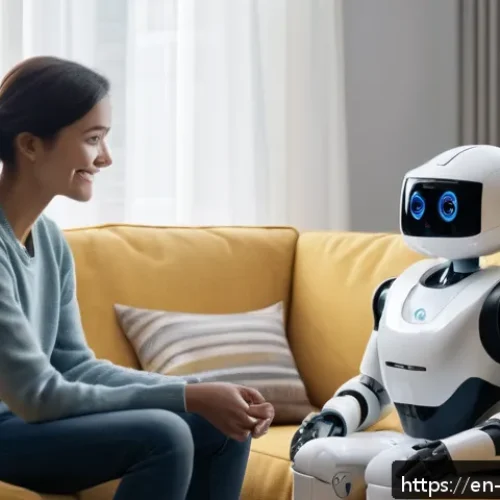
But I think a potentially even bigger area is in elderly care. Robots can monitor vital signs, provide medication reminders, and even help with daily tasks, allowing seniors to maintain their independence longer.
I recently saw a demo of a companion robot that keeps lonely elderly people company and it’s pretty amazing!
📚 References
Wikipedia Encyclopedia