Hey everyone! As someone who’s constantly immersed in the incredible world of tech and its impact on our future, I’ve been noticing a profound shift happening right before our eyes, particularly in an area many might find a little unsettling but undeniably fascinating: military robots.
It’s not just sci-fi anymore, is it? We’re talking about everything from drone swarms making real-time decisions on battlefields to advanced humanoid prototypes being tested for urban operations.
The sheer pace of AI integration into these systems – enabling them to operate with increasing autonomy and precision – is truly mind-boggling, and frankly, a bit of a game-changer.
This isn’t just about cool gadgets; it’s about reshaping global security, reducing human risk in dangerous zones, and fundamentally altering the very nature of conflict itself.
But, as always, with great power comes great responsibility, and the ethical dilemmas surrounding accountability and human control over lethal autonomous weapons are becoming more urgent than ever.
Trust me, this topic is exploding right now, dominating discussions from global forums to defense summits, and understanding it is crucial. Stick around as we break down the complexities, challenges, and jaw-dropping advancements in this critical field.
Alright, let’s talk about something that feels straight out of a blockbuster movie but is very much our reality: military robots. You know, those incredible machines that are quickly moving beyond just bomb disposal units to become active players in defense strategies worldwide.
From autonomous surveillance drones buzzing overhead to robotic “mules” hauling gear across rugged terrain, these innovations are rapidly changing the face of modern warfare, bringing both immense promise and complex questions.
It’s a topic that genuinely keeps me up at night, pondering the delicate balance between technological advancement and human control. In a world where AI is accelerating these advancements almost daily, understanding the nuances of military robotics is more vital than ever.
Let’s get into the specifics and explore exactly how these robotic advancements are shaping our world.
The Incredible Evolution of Battlefield Bots
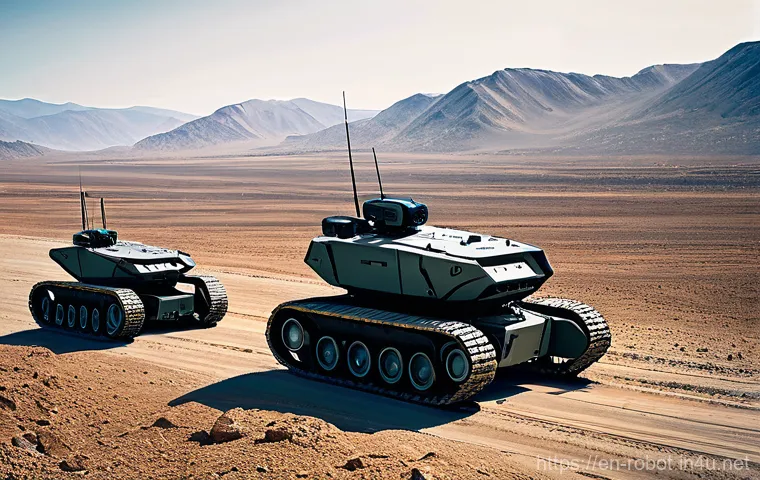
When I first started diving into the world of military tech, I honestly thought of robots as those clunky, remote-controlled devices disarming bombs. You know, the stuff we saw in old documentaries. But boy, have things changed! What I’ve personally witnessed over the past few years is nothing short of revolutionary. We’re talking about machines that aren’t just tools anymore, but increasingly sophisticated partners, or perhaps even independent operators, on the battlefield. This isn’t just an incremental upgrade; it’s a paradigm shift. I’ve spent countless hours sifting through reports, watching demonstrations, and listening to experts, and the sheer pace of innovation is truly astounding. From tiny surveillance drones that can fit in your hand to massive ground vehicles designed for reconnaissance and combat, the variety is breathtaking. It feels like every month there’s a new breakthrough, a new prototype that pushes the boundaries of what we thought was possible. This rapid evolution means that yesterday’s cutting-edge is today’s standard, and tomorrow’s science fiction is already in development. It’s a space where theory very quickly becomes reality, and that reality is already impacting how global defense strategies are being drawn up. The implications are profound, touching on everything from troop safety to the very nature of engagement. I often find myself wondering what the next major unveiling will be, and how it will once again redefine our understanding of warfare.
From Remote Control to Semi-Autonomous Operators
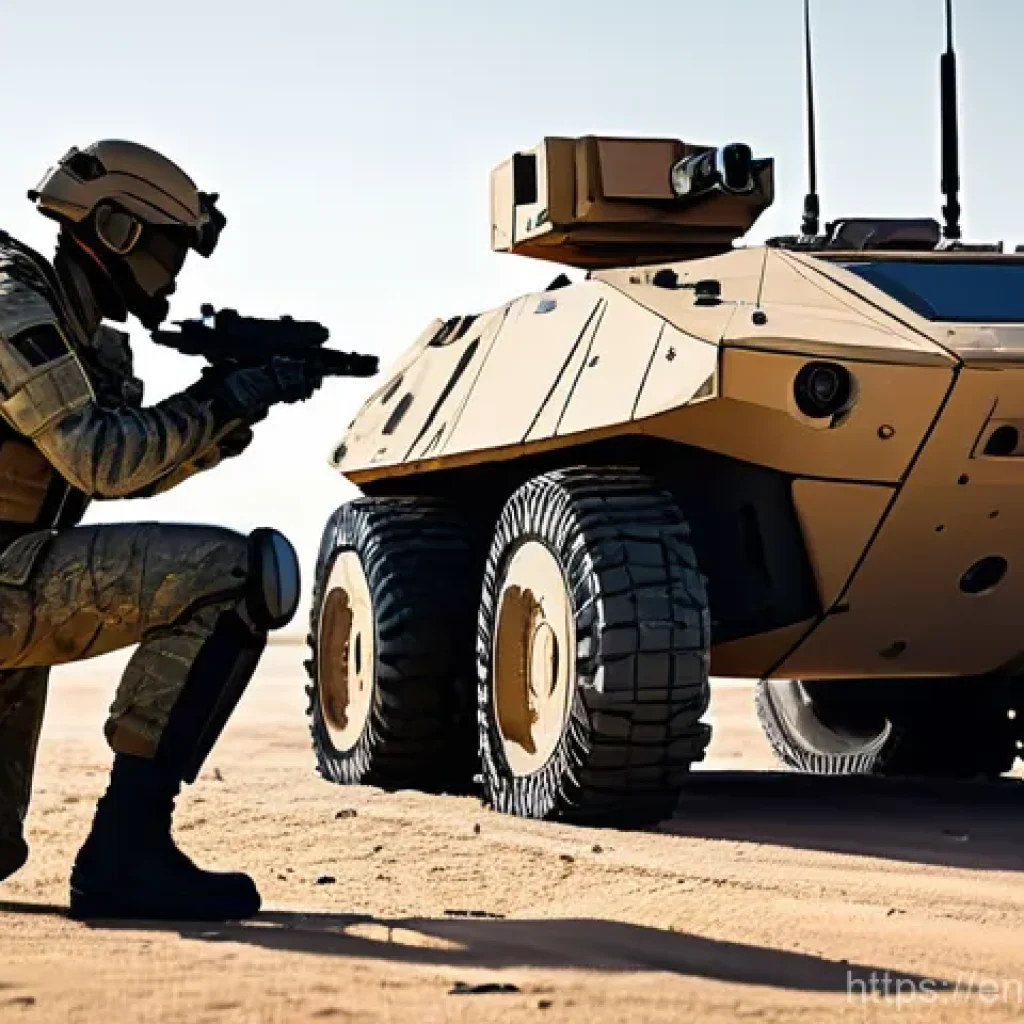
The journey from simple remote-controlled devices to sophisticated semi-autonomous systems has been a rapid and, frankly, exhilarating one to watch. Initially, the primary goal was to get humans out of harm’s way for dangerous tasks like explosive ordnance disposal (EOD), and those early robots were essentially extensions of human hands, operated from a safe distance. But over time, with advancements in sensor technology, artificial intelligence, and processing power, these machines gained the ability to perform more complex tasks with less direct human intervention. I’ve seen how some modern systems can now navigate complex terrain, identify targets, and even make tactical suggestions to human operators, greatly enhancing situational awareness. This shift has been driven by a constant push to improve efficiency, reduce cognitive load on soldiers, and, most importantly, save lives. It’s not about replacing humans entirely, at least not yet, but augmenting their capabilities in ways that were unimaginable a decade ago. The capabilities they now possess, like advanced target tracking and environmental mapping, truly make them invaluable assets in modern combat scenarios, significantly expanding the reach and effectiveness of ground forces without putting more boots on the ground directly into harm’s way. My own observations suggest this trend of increasing autonomy, while still under human oversight, is only going to accelerate.
Diverse Roles Across the Modern Battlefield
What really strikes me is the incredible versatility of these robotic systems. They’re not just confined to one specific role; their applications are truly diverse and ever-expanding. I’ve seen examples of ground robots acting as robotic “mules,” carrying heavy gear for soldiers across challenging terrain, drastically reducing fatigue and increasing mobility. Then there are the aerial drones, which have become indispensable for everything from high-altitude surveillance and reconnaissance to precision strikes and even resupply missions. Underwater drones, or UUVs, are also making significant strides in maritime security, patrolling vast areas, detecting mines, and monitoring enemy activity below the waves. Each of these applications, from the smallest insect-sized drone gathering intelligence to large armored unmanned ground vehicles (UGVs) providing support, serves a critical purpose. It’s fascinating to observe how military strategists are integrating these diverse robotic assets into a cohesive force structure, creating a multi-layered approach to defense and offense. This strategic integration is really where the magic happens, turning individual technologies into a synergistic force multiplier. The sheer breadth of tasks these machines can now handle means that every corner of the battlefield, from the skies to the depths of the ocean, is being transformed by robotic innovation, leading to more informed decisions and, hopefully, more effective operations.
The AI Revolution on the Front Lines
If you’re anything like me, you’ve probably heard the term “AI” thrown around a lot lately, but when we talk about its application in military robotics, it takes on a whole new dimension. This isn’t just about smart algorithms; it’s about systems learning, adapting, and making decisions at speeds and scales no human ever could. I’ve been tracking this trend closely, and what I’ve observed is that AI is the true accelerator for military robotics, pushing them beyond mere automation into genuine autonomy. It’s the brain behind the brawn, allowing these machines to process vast amounts of data, identify patterns, and react to dynamic environments in real-time. This capability is absolutely crucial in fast-paced, complex combat scenarios where seconds can mean the difference between success and failure. Without advanced AI, many of the sophisticated robotic operations we’re seeing today simply wouldn’t be possible. My personal feeling is that we’re only at the tip of the iceberg when it comes to AI’s full potential in this domain; the advancements we’ve seen in just the last couple of years are mind-blowing, and the future promises even more profound transformations. The ethical considerations around this are, of course, immense, but the technological progress itself is undeniable and incredibly impactful.
Empowering Autonomy: How AI Drives Robotic Decision-Making
The core of the AI revolution in military robotics lies in its ability to empower genuine autonomy. We’re moving past programmed responses to systems that can perceive, reason, and act without constant human joystick control. For instance, I’ve seen how AI algorithms enable drones to identify enemy combatants from civilians with increasing accuracy, or how ground vehicles can autonomously plot the most efficient and safest routes through treacherous terrain. This level of decision-making, while still under strict human oversight for lethal applications, is incredibly powerful. It means that robots can operate effectively in environments where communication might be disrupted, or where human reaction times are simply too slow. Think about swarms of drones coordinating complex maneuvers or individual robots adapting to unexpected threats. This capability allows for missions that were once considered too risky or impossible for human-piloted vehicles. The more data these AI systems process, the “smarter” they become, continuously refining their operational parameters. It’s a feedback loop of learning and improvement that is driving efficiency and effectiveness in ways we’ve never imagined before, pushing the boundaries of what these machines can achieve independently, even if that independence is still carefully calibrated by human designers and operators. This is a game-changer, plain and simple.
From Data Overload to Actionable Intelligence
One of the biggest challenges in modern warfare has always been information overload. Soldiers and commanders are constantly bombarded with data from various sensors, reconnaissance missions, and intelligence reports. Here’s where AI-powered robots truly shine, in my experience. They excel at sifting through this massive influx of raw data – be it optical, thermal, acoustic, or electromagnetic – and transforming it into actionable intelligence. I’ve observed systems that can detect subtle changes in enemy patterns, identify potential threats hidden in complex urban environments, or even predict adversary movements based on historical data. This capability liberates human analysts from tedious tasks, allowing them to focus on higher-level strategic thinking. For example, an autonomous drone might identify a camouflaged vehicle in a forest, something a human might miss after hours of staring at a screen, and then flag it for immediate review. It’s not just about speed; it’s about precision and the ability to process correlations that might escape human perception. This efficiency in data processing means that commanders receive clearer, more concise information faster, enabling them to make more informed decisions on the fly. This shift from overwhelming data to distilled, pertinent intelligence is, in my opinion, one of the most impactful contributions of AI in military robotics, leading to smarter, more effective operations.
Robotics in Support and Logistics: Beyond the Front Lines
When most people think of military robots, their minds usually jump straight to combat scenarios – drones firing missiles or ground vehicles engaging targets. And while those applications are undeniably significant, I’ve found that some of the most profound and quietly revolutionary impacts of robotics are happening behind the scenes, in the often-overlooked but absolutely critical areas of support and logistics. It’s not as flashy, but it’s just as vital, ensuring that troops have what they need, when they need it, and that dangerous tasks are handled without risking human lives. From automated warehouses to robotic transporters, these systems are fundamentally enhancing the efficiency, safety, and responsiveness of military operations worldwide. I’ve personally spoken with logistics officers who emphasize how these innovations are cutting down on manual labor, speeding up supply chains, and ultimately freeing up personnel for more strategic roles. The unsung heroes of military robotics are quietly transforming the backbone of defense, making operations smoother and safer every single day. This is an area where the return on investment, both in terms of cost savings and human safety, is incredibly high, and I foresee even greater integration in the years to come as these technologies mature and become more widely adopted across various defense establishments.
Automating the Supply Chain and Transport
Imagine the monumental task of supplying a modern army, especially one deployed in a remote or hostile environment. It’s a logistical nightmare, often involving dangerous routes and heavy lifting. This is precisely where robotics is making an enormous difference. I’ve seen prototypes and operational systems that can autonomously transport supplies over rugged terrain, delivering ammunition, food, and medical equipment to forward operating bases without a human driver. These robotic “mules” can traverse difficult landscapes, navigate under adverse weather conditions, and even follow soldiers like faithful companions, drastically reducing the physical burden on troops. Beyond the immediate front line, automated systems are revolutionizing military warehouses and depots, managing inventories, sorting equipment, and preparing shipments with incredible speed and accuracy. This not only speeds up the entire supply chain but also minimizes human error and reduces the risk of injuries associated with manual labor. The efficiency gains are truly staggering, ensuring that resources are allocated effectively and reach their destination in a timely manner, which can be absolutely critical in a combat zone. From my perspective, this quiet revolution in military logistics is making operations far more agile and resilient, a testament to the power of applying robotic solutions to age-old challenges of transport and supply.
Robots for Maintenance, Repair, and Infrastructure
The role of robots extends even further into maintaining the vast and complex infrastructure that supports military operations. I’ve been fascinated by the development of robotic systems designed for inspection, maintenance, and even repair of critical assets. Think about drones that can autonomously inspect bridges for structural damage in dangerous zones, or robotic platforms that can conduct routine maintenance checks on vehicles and aircraft, flagging issues before they become critical. These aren’t just theoretical concepts; I’ve observed significant progress in these areas. Furthermore, robots are being deployed for tasks like clearing debris, constructing temporary fortifications, or even deactivating unexploded ordnance (UXO) in post-conflict zones – tasks that are immensely hazardous for humans. This not only enhances safety but also improves the readiness and longevity of military equipment and facilities. By taking on the dirty, dull, and dangerous jobs, these robots allow skilled human personnel to focus on tasks that require their unique cognitive abilities and judgment, ultimately optimizing force readiness and operational tempo. It’s about leveraging technology to protect our people and ensure that our critical assets remain operational, and in my experience, the integration of robots into these maintenance and infrastructure roles is becoming increasingly indispensable for modern forces.
The Ethical Minefield: Navigating Lethal Autonomous Weapons Systems (LAWS)
Okay, let’s get into the part of military robotics that often sparks the most intense debate and, frankly, keeps me up at night: Lethal Autonomous Weapons Systems, or LAWS. We’re talking about machines that, once activated, can select and engage targets without further human intervention. This isn’t just a technological marvel; it’s a profound ethical dilemma that we, as a global society, are only just beginning to grapple with. I’ve attended numerous panels and read countless reports on this, and the concerns are universal: accountability, the dehumanization of warfare, the potential for escalation, and the chilling prospect of a machine making life-or-death decisions. My personal take is that while the promise of reducing human casualties is appealing, the risks associated with fully autonomous lethal weapons are incredibly high. There’s a vital discussion happening right now in international forums, and it’s critical that we understand the nuances before these systems become widespread. It’s not just about what technology *can* do, but what it *should* do, and how we ensure human control remains paramount. This isn’t a simple black-and-white issue, but one steeped in complex moral, legal, and strategic considerations that demand our immediate and thoughtful attention. I genuinely believe that humanity’s future, and the very nature of conflict, hinges on how we navigate this ethical minefield. It truly weighs heavily on my mind.
Defining “Meaningful Human Control”
At the heart of the LAWS debate is the concept of “meaningful human control.” What does it actually mean for a human to maintain sufficient oversight over a system that can independently decide to use lethal force? Is it a human in the loop, constantly approving every engagement? Or a human on the loop, monitoring the system and intervening if necessary? I’ve seen various proposals, but there’s no universally agreed-upon definition, and this ambiguity is a significant problem. My observation is that different nations and organizations have vastly different interpretations, which makes international regulation incredibly difficult. For me, meaningful control implies not just the ability to switch a system off, but a clear understanding of its operational parameters, its potential for error, and the capacity to accurately predict its actions. It’s about maintaining moral agency and accountability. Without a clear and robust framework for what constitutes meaningful human control, we risk delegating irreversible decisions to algorithms, which, however advanced, lack the ethical judgment and compassion inherent to human soldiers. It’s a line we must define very carefully, as crossing it without due consideration could have unforeseen and irreversible consequences for future conflicts and indeed, for humanity’s moral standing in the world.
The Prospect of an Autonomous Arms Race
Another major concern that frequently comes up in discussions about LAWS, and one that resonates deeply with me, is the terrifying prospect of an autonomous arms race. If one major power develops and deploys these systems, it creates immense pressure for others to follow suit, leading to a rapid proliferation of these potentially destabilizing technologies. I’ve witnessed how quickly military technologies can spread globally, and the idea of nations vying for superiority in fully autonomous weapons is a truly chilling thought. This isn’t just about who has the most powerful robots; it’s about a fundamental shift in military strategy where speed and algorithmic efficiency could become the dominant factors. Such a race could lower the threshold for conflict, reduce response times to mere milliseconds, and introduce an element of unpredictability that could spiral out of control faster than humans can react. The potential for miscalculation or accidental escalation becomes significantly higher in a world populated by armed autonomous systems. This isn’t a theoretical concern; I believe it’s a very real and present danger that requires urgent international cooperation and, perhaps, even pre-emptive treaties to mitigate. The implications for global stability are immense, and ignoring this potential trajectory would be a grave mistake in my opinion.
Robots and Human Soldiers: A New Partnership?
When I think about the future of military operations, I don’t necessarily envision a world devoid of human soldiers, but rather one where humans and robots work together in unprecedented ways. This isn’t a scenario of humans being replaced, but rather augmented and protected by their robotic counterparts. I’ve seen incredible advancements in human-robot teaming, where machines act as extensions of a soldier’s senses and capabilities, creating a synergistic force that is far greater than the sum of its parts. It’s about leveraging the unique strengths of both: robots excelling in repetitive, dangerous, or physically demanding tasks, while humans provide the critical cognitive functions like ethical judgment, strategic thinking, and emotional intelligence. My personal belief is that this partnership model is where the true power of military robotics lies, creating a more effective, and crucially, safer operational environment for our troops. This isn’t just about hardware; it’s about developing interfaces, communication protocols, and training methodologies that allow humans and machines to seamlessly collaborate, creating a formidable force multiplier on the modern battlefield. The trust and understanding between human and machine will be key, and that’s an area where I see continuous development and refinement happening.
Enhancing Soldier Safety and Situational Awareness

One of the most immediate and profound benefits of integrating robots into military units, in my opinion, is the dramatic enhancement of soldier safety. Think about reconnaissance missions in urban environments or clearing buildings where every corner could hide a threat. Instead of sending a human soldier directly into harm’s way, a small, agile robot can go first, gathering crucial intelligence and identifying dangers. I’ve seen firsthand how these systems can provide soldiers with a much clearer picture of their surroundings, extending their line of sight and hearing beyond their immediate physical presence. This enhanced situational awareness means fewer surprises, fewer ambushes, and ultimately, fewer casualties. Robots can also act as early warning systems, detecting threats like IEDs or enemy positions long before human patrols would, giving soldiers vital time to react and adapt their strategies. It’s about creating a protective bubble around our troops, allowing them to operate with greater confidence and effectiveness. This isn’t just about fancy tech; it’s about real lives being saved and risks being mitigated, which, for me, is the most compelling argument for their integration. The peace of mind that comes with knowing a robotic scout has cleared a path is invaluable in a high-stakes environment.
Human-Robot Teaming: The Future of Tactical Operations
The concept of human-robot teaming is rapidly evolving beyond simply using robots as tools; it’s moving towards a genuine partnership where humans and machines collaborate dynamically. I’ve been particularly impressed by developments that allow soldiers to intuitively command multiple robotic assets simultaneously, receiving integrated feedback that helps them make better decisions faster. Imagine a squad where each soldier has a robotic wingman, or where a commander can task a drone swarm to scout an area while ground robots secure a perimeter – all managed through intuitive interfaces. This synergy means that a small human team, augmented by robots, can achieve operational objectives that would traditionally require a much larger force. The key here is seamless communication and shared understanding between human and machine, which is an active area of research and development. It’s about designing systems that are not just intelligent but also adaptable and predictable enough for humans to trust them implicitly in high-stress situations. My feeling is that as these teaming capabilities mature, the distinction between a “robot” and a “soldier’s gear” will blur, leading to integrated fighting units where humans provide the critical judgment and machines extend their physical and sensory reach, revolutionizing tactical operations on a fundamental level. This cooperative approach maximizes strengths and minimizes vulnerabilities, creating a truly potent force.
The Economic and Geopolitical Ripple Effect
It’s easy to get caught up in the technological marvels of military robotics, but what I find equally fascinating, and frankly, a bit unsettling, are the far-reaching economic and geopolitical implications. This isn’t just about what’s happening on the battlefield; it’s about how these advancements are reshaping global power dynamics, defense budgets, and even international relations. I’ve seen how nations are pouring billions into developing these systems, creating a burgeoning industry that is influencing everything from job markets to strategic alliances. The economic impact is huge, driving innovation in AI, advanced manufacturing, and materials science, but it also raises questions about who can afford to play in this high-stakes game. On the geopolitical front, the proliferation of military robotics introduces new variables into the calculus of power, potentially altering deterrence strategies and creating new flashpoints. My observation is that every major player on the world stage recognizes the transformative potential of these technologies, leading to intense competition and, at times, a quiet arms race that isn’t always visible to the public eye. This isn’t just about military advantage; it’s about maintaining influence and projecting power in a rapidly changing global landscape, a reality that impacts us all, whether we realize it or not.
Shifting Defense Budgets and Industrial Impact
The investment in military robotics is reshaping national defense budgets on an unprecedented scale. I’ve noted a clear trend where traditional manned platforms, while still crucial, are seeing a portion of their funding diverted towards unmanned and autonomous systems development. This isn’t just about acquiring new equipment; it’s about investing in the entire ecosystem – from research and development of AI algorithms to advanced sensor manufacturing and secure communication networks. This shift has a massive industrial impact, creating new jobs in specialized tech sectors while potentially diminishing others. Major defense contractors are reorienting their portfolios, and new, agile tech companies are emerging as key players, driving innovation in ways that traditional defense industries sometimes struggled to. I personally believe this economic redistribution is creating new centers of power and influence within the global defense industry. Furthermore, the export market for these technologies is booming, creating new opportunities but also raising concerns about proliferation and regional destabilization. The long-term economic effects are still unfolding, but what’s clear to me is that military robotics is not just a defense expenditure; it’s a significant economic driver that is profoundly influencing national industrial strategies and technological competitiveness, creating both opportunities and challenges for nations worldwide. It’s a complex interplay of money, technology, and strategic foresight.
Impact on Global Power Dynamics and Deterrence
The geopolitical ramifications of military robotics are truly profound, affecting global power dynamics and the very nature of deterrence. As nations invest more heavily in these advanced systems, it has the potential to alter the balance of power, creating new military advantages for those who lead in their development and deployment. I’ve observed that countries with cutting-edge AI and robotics capabilities are gaining a significant edge, influencing their diplomatic leverage and strategic positioning. For instance, the ability to conduct surveillance with swarms of undetectable drones or to project force with highly precise autonomous systems could fundamentally change how conflicts are deterred or, indeed, fought. This also raises questions about the stability of deterrence, particularly with the rise of fully autonomous weapons. If decisions are made by machines in milliseconds, could it reduce the window for de-escalation, increasing the risk of rapid, unintended escalation? It’s a critical concern that I frequently encounter. The deployment of these technologies by one nation often compels others to develop similar capabilities, leading to a perpetual cycle of innovation and competition, sometimes referred to as a new kind of arms race. My personal belief is that managing these geopolitical shifts requires careful diplomacy, international dialogue, and a proactive approach to establishing norms and perhaps even arms control agreements to prevent instability and ensure that these powerful technologies are used responsibly, contributing to global security rather than undermining it. It’s a tightrope walk that the international community is currently navigating, and the stakes couldn’t be higher.
| Robotic System Type | Primary Application | Key Advantage | Ethical/Operational Challenge |
|---|---|---|---|
| Unmanned Aerial Vehicles (UAVs) / Drones | Surveillance, reconnaissance, targeted strikes, logistics | Extended reach, reduced human risk, precision | Airspace integration, targeting accuracy, public perception |
| Unmanned Ground Vehicles (UGVs) | Reconnaissance, logistics support, EOD, combat support | Heavy lifting, hazardous environment operation, force protection | Terrain navigation, communication reliability, collateral damage |
| Unmanned Surface Vessels (USVs) | Maritime surveillance, mine countermeasures, patrol | Long endurance, stealth capabilities, cost-effective | Maritime traffic integration, data processing at sea, vulnerability to hacking |
| Unmanned Underwater Vehicles (UUVs) | Submarine detection, mine hunting, intelligence gathering | Deep-sea exploration, covert operations, long mission duration | Navigation in complex environments, communication latency, recovery challenges |
| Humanoid Robots / Exoskeletons | Future combat, search & rescue, load carrying (exoskeletons) | Human-like maneuverability, enhanced soldier strength | Development cost, energy consumption, ethical use in combat |
Future Horizons: What’s Next for Military Robotics?
Looking into the crystal ball of military robotics, what I see is a landscape that’s constantly evolving, driven by relentless innovation and shifting strategic needs. It’s a field where science fiction often becomes reality faster than we anticipate, and the next decade promises even more astonishing breakthroughs. I’m personally excited by the potential for truly adaptive and collaborative robotic systems that can operate seamlessly in incredibly complex and unpredictable environments. We’re moving towards a future where robots won’t just execute pre-programmed tasks but will genuinely learn from experience, collaborate with each other, and adapt to novel situations with minimal human input. The sheer scale of R&D investment globally signals that this is a critical frontier for all major powers, and the advancements we see emerging from labs today will undoubtedly shape the battlefields of tomorrow. My sense is that the focus will increasingly be on resilience, interoperability, and the ability of these systems to operate effectively in contested domains, ranging from cyber warfare to outer space. It’s a thrilling, albeit sometimes daunting, prospect to consider, and one that demands our ongoing attention and critical analysis as these technologies continue to mature and become more integrated into our defense frameworks. The future isn’t just coming; it’s being engineered right now, piece by robotic piece, right before our eyes.
Swarm Robotics and Collaborative AI
One of the most fascinating areas I’m tracking is the development of swarm robotics and collaborative AI. Imagine hundreds, or even thousands, of small, inexpensive robots – ground, air, or even naval – working together as a single, distributed entity. This isn’t just about individual robots doing individual tasks; it’s about collective intelligence, where the swarm itself can achieve complex objectives far beyond the capability of any single unit. I’ve seen impressive simulations where drone swarms autonomously scout vast areas, identify targets, and even neutralize threats with coordinated precision. The beauty of swarm intelligence, in my opinion, lies in its resilience; even if individual units are lost, the mission can continue. This approach also dramatically complicates an adversary’s defense, as engaging a myriad of small, agile targets is far more challenging than confronting a few large, centralized systems. The AI behind these swarms allows for real-time adaptation, re-tasking, and dynamic cooperation, making them incredibly flexible and effective in chaotic environments. My personal take is that swarm robotics represents a significant leap in operational capability, offering scalable, resilient, and potentially overwhelming force projection that is both economically viable and tactically superior for certain types of missions, truly pushing the boundaries of what unmanned systems can achieve collectively. It’s a game of numbers, and smart numbers at that.
Integration with Next-Generation Warfare Concepts
The future of military robotics isn’t just about standalone machines; it’s about their deep integration into next-generation warfare concepts, particularly those focusing on multi-domain operations (MDO) and mosaic warfare. I’ve observed how military planners are thinking about these robots as critical components of a highly networked and distributed force. In an MDO framework, robots will be seamlessly sharing information across land, sea, air, space, and cyber domains, creating a unified operational picture and enabling coordinated responses across vast distances. It’s about creating a truly synergistic effect, where each robotic asset contributes to a larger strategic goal. Similarly, mosaic warfare concepts envision a flexible, adaptable force composed of numerous, interchangeable robotic systems that can be rapidly assembled and reconfigured to address specific threats. This allows for scalability and resilience, where the loss of one component doesn’t cripple the entire system. My strong feeling is that this level of integration moves beyond merely deploying robots; it’s about fundamentally rethinking how military forces will operate in the future. It’s a vision where humans orchestrate a vast array of intelligent robotic assets, making decisions at a strategic level while the machines handle the complex tactical execution, leading to unprecedented levels of agility and responsiveness in future conflicts. This comprehensive, integrated approach is what genuinely excites me about the next phase of military robotics.
Wrapping Things Up
As we wrap up our deep dive into the fascinating, complex world of military robotics, it’s clear that we’re standing at a pivotal moment. The evolution from simple tools to sophisticated partners, and potentially autonomous actors, is truly reshaping how we think about defense and security. It’s a journey filled with incredible technological breakthroughs, but also profound ethical questions that demand our collective attention. My hope is that we continue to approach these advancements with both awe for their potential and a healthy dose of critical thought for their implications. The conversation is far from over, and it’s one we all need to be part of.
Handy Bits of Info
1. Understanding the “Human in the Loop” vs. “Human on the Loop”: It’s easy to mix these up! “Human in the loop” means a person must approve every single lethal action, maintaining direct control, which is the current standard for lethal force. “Human on the loop,” however, implies a human is supervising the autonomous system, ready to intervene if something goes wrong, but not necessarily approving every action – a concept frequently discussed for future autonomous systems. This distinction is absolutely critical when discussing ethical autonomous weapons, and knowing the difference really helps clarify the debate. I often find myself explaining this to friends, as it’s a nuance that many overlook and it significantly changes how we perceive accountability and control in modern warfare. It’s truly a conversation starter.
2. The Rise of “Robo-Journalism” in Conflict Zones: Believe it or not, some drones are now being equipped with advanced sensors and AI that can document conflict in ways traditional journalism couldn’t. They can provide real-time, high-definition footage from incredibly dangerous areas, offering new perspectives for reporting and potentially greater accountability for actions taken. It’s a double-edged sword, of course, as privacy and manipulation are concerns, but the potential for unbiased, raw documentation is intriguing. I’ve read some fascinating articles about how this is being explored by various media organizations and NGOs, pushing the boundaries of war reporting.
3. Beyond Combat: Robots for Peacekeeping: While we often focus on robots in warfare, it’s worth remembering that these technologies are also finding increasingly vital roles in peacekeeping missions. Imagine autonomous systems clearing vast minefields, delivering critical humanitarian aid to otherwise inaccessible or dangerous areas, or conducting continuous surveillance to monitor fragile ceasefires without risking human peacekeepers. These less glamorous but immensely impactful applications often get overlooked in the broader discussion, but they represent a powerful force for good and a compelling argument for the dual-use nature of these innovations. I find this aspect particularly hopeful and a testament to technology’s capacity for positive change.
4. DIY Robotics for Aspiring Engineers: The foundational technologies behind military robots – particularly in AI, advanced sensors, and intricate mechanics – are becoming increasingly accessible to the public. If you’re a budding engineer, a curious hobbyist, or just someone looking to understand these complex systems better, diving into hobby robotics kits or open-source AI projects can give you a tangible, hands-on understanding of how these powerful machines function. It’s a fantastic way to learn, develop new skills, and even contribute to the ongoing discussions around these transformative technologies with a deeper, more informed perspective. I always encourage people to get their hands dirty with tech; it’s the best way to truly grasp its potential.
5. The Psychological Impact on Soldiers: It’s not just about the tech itself; it’s profoundly about the people who interact with it. The integration of robots, especially in combat roles, is undeniably having a significant psychological impact on soldiers. Developing trust in a machine during high-stakes operations, dealing with the emotional distance created by remote warfare, and understanding their own changing roles within a human-machine team are all vital considerations. This evolving human-machine interface is an active area of research and ethical discussion, and something I believe we, as a society, should pay much more attention to. The human element, after all, remains paramount, and understanding its adaptation is key to responsible technological advancement.
Key Takeaways
For me, the journey into military robotics reveals a rapid, transformative evolution from basic remote-controlled tools to increasingly autonomous and intelligent systems. AI is the true engine driving this revolution, enabling robots to process vast data, make complex decisions, and redefine operational efficiency across diverse roles, from frontline combat to vital logistics support. However, this incredible progress comes with a significant ethical tightrope, especially regarding Lethal Autonomous Weapons Systems (LAWS) and the critical debate around “meaningful human control” and the chilling prospect of an autonomous arms race. Despite these challenges, the future points towards a powerful human-robot partnership, enhancing soldier safety, providing unprecedented situational awareness, and fundamentally changing tactical operations through collaborative AI and swarm robotics. This isn’t just about technological superiority; it’s about a profound shift in global power dynamics, defense spending, and the very nature of future conflicts, demanding continuous international dialogue and responsible innovation. It’s a dynamic, exciting, and sometimes daunting field that will continue to shape our world in profound ways for decades to come, and I’m genuinely excited to see how these challenges and opportunities unfold.
Frequently Asked Questions (FAQ) 📖
Q: What kinds of military robots are actually out there right now, and what are they doing?
You might be picturing something straight out of a sci-fi flick, but the reality is just as fascinating, albeit a bit more pragmatic for now! When I look at what’s currently being deployed or is very close to it, we’re seeing a fantastic array of robotic systems that are transforming military operations. First off, unmanned ground vehicles (UGVs) are everywhere, handling tasks like bomb disposal – seriously, robots like the PackBot have been absolute lifesavers, keeping our human soldiers out of harm’s way when defusing IEDs. Then there are the robotic “mules” or transportation robots, often wheeled or legged, that are carrying heavy gear, supplies, and even evacuating casualties across tough terrains. Imagine how much easier that makes things for troops on the ground!
A: nd who could forget drones? Unmanned aerial vehicles (UAVs) are practically synonymous with modern military tech. From smaller, hand-launched reconnaissance drones providing real-time intel to massive Predator and Reaper drones conducting long-range surveillance and precision strikes, these eyes in the sky are a game-changer for situational awareness.
There are even discussions and prototypes for armed autonomous units and humanoid soldier-like robots, though these are largely in development or very specific roles right now.
The common thread I’ve noticed is that most of these systems, while increasingly smart with AI, are still “human in the loop” or “human on the loop,” meaning a person is either directly controlling them or monitoring their autonomous decisions and can intervene if needed.
It’s truly incredible how versatile and vital these mechanical colleagues have become!
Q: Is it true that robots are going to replace human soldiers on the battlefield?
This is probably one of the most common questions I get, and honestly, it’s a valid concern that pops into many minds, including mine! My take on this is a nuanced one. While some military leaders have suggested that machines could potentially replace a significant portion of human troops in combat roles, maybe even up to a quarter by 2030, I don’t see a full “robot army” taking over anytime soon. The idea of a battlefield devoid of human presence, where decisions of life and death are solely made by algorithms, feels far-fetched given the current technological and ethical landscape.
What we’re witnessing, and what I believe will continue to be the trend, is more about human-machine teaming and augmentation rather than outright replacement. Robots excel at repetitive, dangerous, or physically demanding tasks that would put humans at undue risk, like surveillance, bomb disposal, or logistics. This actually enhances human soldiers by allowing them to focus on complex tactical planning, strategic decision-making, and critical tasks that require empathy, cultural understanding, and moral judgment – things
A: I simply can’t replicate yet. Think of it this way: robots are fantastic tools, force multipliers even, that make human soldiers more effective and safer.
They reduce casualties and expand capabilities, but the uniquely human elements of warfare – leadership, adaptability in unforeseen circumstances, and those difficult ethical calls – will remain indispensable for the foreseeable future.
Q: What are the biggest ethical headaches we’re facing with these autonomous military systems?
Oh boy, where do I even begin with this one? This is genuinely the part of the conversation that keeps me up at night, because while the technological advancements are jaw-dropping, the ethical implications are profound and super complex. The biggest “headache,” if you want to call it that, revolves around what we refer to as Lethal
A: utonomous Weapons Systems (LAWS) – basically, robots that can select and engage targets without direct human intervention.
First, there’s the massive question of accountability.
If a fully autonomous weapon makes a mistake leading to civilian casualties or a war crime, who is responsible? Is it the programmer, the commander who deployed it, or the machine itself?
The current legal and ethical frameworks simply aren’t equipped to handle this kind of blurred accountability. Then there’s the dehumanization of warfare.
Delegating life-or-death decisions to a machine, which cannot grasp the value of human life or the moral significance of taking it, feels inherently wrong to many, myself included.
It could potentially lead to conflicts escalating faster or being initiated more readily if the “cost” in human lives for one’s own side is removed.
Another huge concern is the Principle of Distinction in international humanitarian law – how can an AI system reliably distinguish between a combatant and a civilian, especially in a messy, urban environment?
Humans struggle with this, let alone algorithms that might be susceptible to bias or simply lack the nuanced judgment required. The rapid pace of AI development only adds to the urgency.
We’re seeing international discussions trying to establish norms and regulations, but the technology is moving so fast that it’s a real race against time to ensure we’re building these systems responsibly and maintaining meaningful human control.
It’s a tightrope walk between innovation and our shared moral compass, and it’s something we absolutely have to get right.