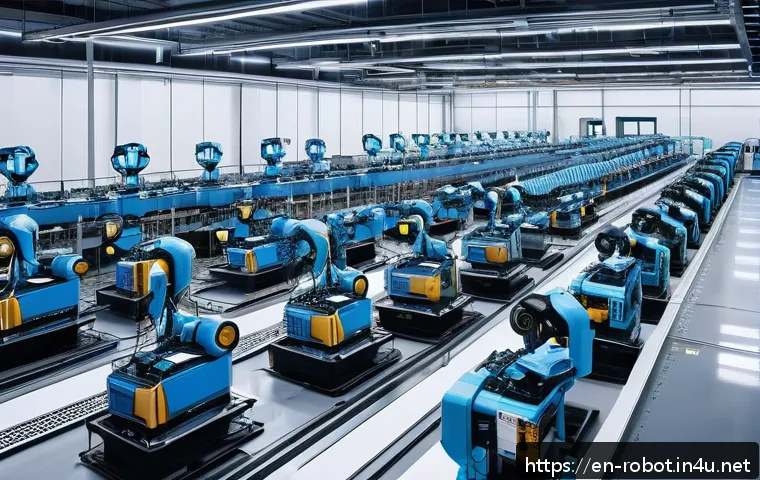
Hey everyone! It’s incredible to think about how much the world of tech has transformed our lives, isn’t it? From the moment we wake up and check our smart devices to the way industries are completely revolutionized, innovation is everywhere.
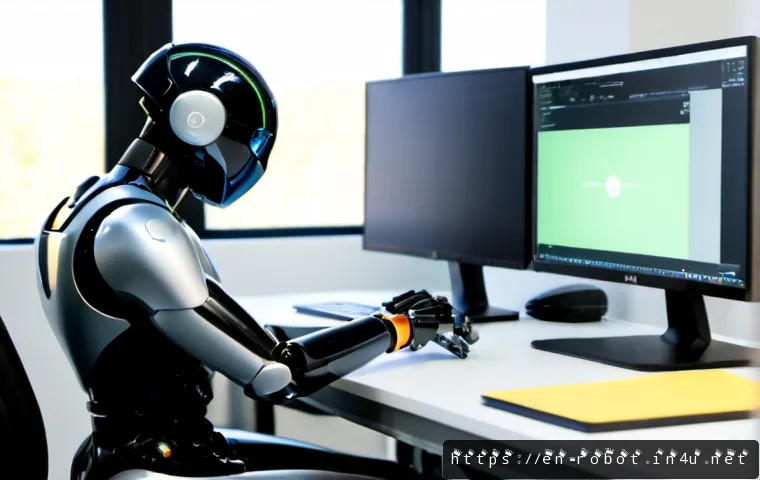
I’ve personally been fascinated watching the incredible dance between robotics and software development, seeing how these two powerhouses combine to create something truly magical.
It feels like we’re living in a sci-fi movie sometimes, with intelligent machines doing things we only dreamed of a few decades ago, all thanks to the brilliant code that breathes life into them.
This isn’t just about factory automation anymore; it’s about smart homes, groundbreaking medical tech, and even how we communicate. The possibilities feel endless, and from what I’ve seen, the pace is only accelerating.
It’s a field that’s not just shaping our present but also designing our future in ways we’re only just beginning to grasp. Let’s really dig into what’s happening and what’s next in this amazing space!
The Brains Behind the Bots: Software’s Guiding Hand
When Code Comes Alive: Giving Robots Purpose
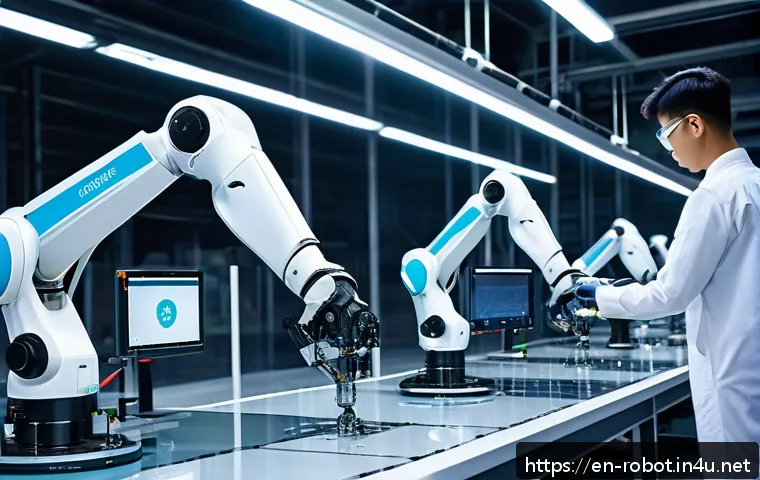
It’s truly mind-blowing when you think about it: all those incredible robots we see, from the ones assembling cars in massive factories to the tiny surgical assistants making life-saving procedures possible, are essentially complex pieces of hardware brought to life by lines and lines of code.
I’ve spent countless hours diving into how this all works, and what truly fascinates me is the sheer artistry involved in translating human intent into instructions a machine can understand.
Without robust software, a robot is just a very expensive paperweight. It’s the algorithms, the operating systems, the intricate programming languages that dictate every twitch, every calculated movement, every decision these machines make.
From path planning to object recognition, it’s all software at its core, constantly evolving and becoming more sophisticated. I remember seeing an early demo of a collaborative robot struggling with a simple pick-and-place task, and then a year later, watching the same model flawlessly execute a much more complex sequence thanks to software updates.
It really hammered home just how crucial the ‘brain’ of these machines is.
The Silent Architects: Shaping Robot Behavior and Intelligence
Think of software developers as the silent architects of the robotic world. They’re not just writing code; they’re crafting personalities, defining capabilities, and quite literally teaching machines how to interact with the physical world.
This isn’t just about making a robot move; it’s about making it move *intelligently* and *safely*. We’re talking about everything from low-level firmware that controls motors and sensors to high-level AI that enables decision-making and learning.
From my own observations, the shift towards more intuitive programming interfaces and simulation tools has really democratized robot development, allowing more people to tinker and innovate.
It’s no longer just the realm of highly specialized engineers. What I find particularly exciting is the fusion of machine learning into these systems, allowing robots to adapt and learn from experience, not just explicit programming.
This makes them incredibly versatile and efficient, something that was pure science fiction not too long ago.
From Factories to Our Living Rooms: The Robotics Revolution
Beyond Assembly Lines: Robotics in Everyday Life
When most people hear “robotics,” their minds often jump straight to huge factories with robotic arms welding car parts. And while industrial robotics remains a massive part of the landscape, what’s truly captivating to me is how robots are quietly, yet powerfully, integrating into our daily lives.
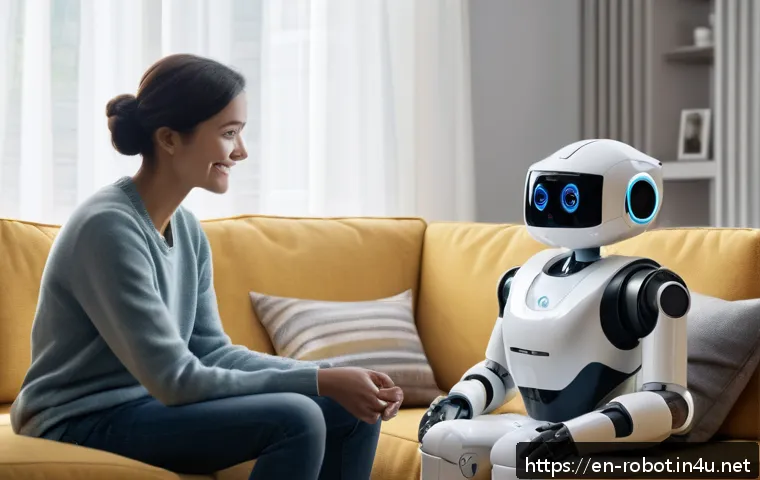
We’re talking about everything from robotic vacuum cleaners that keep our homes tidy to delivery robots navigating bustling city streets. I personally invested in a smart lawnmower a couple of years ago, and honestly, the convenience is unparalleled.
It’s not just a gadget; it’s a genuine time-saver that allows me to focus on other things. These aren’t clunky, unintelligent machines; they’re often sleek, sensor-laden devices packed with sophisticated software that allows them to perceive their environment, avoid obstacles, and perform tasks with surprising accuracy.
It’s a complete game-changer, moving robotics from purely industrial applications into the personal and service sectors, enhancing our quality of life in subtle but significant ways.
Transforming Industries: Healthcare, Logistics, and Exploration
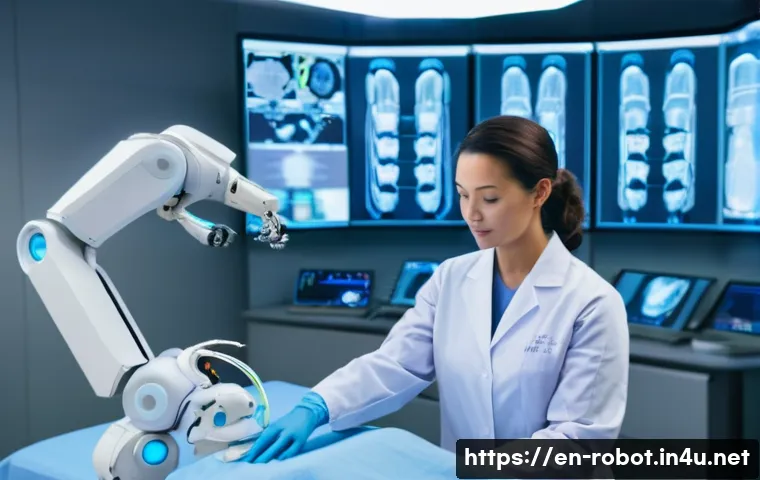
The reach of robotics extends far beyond our homes and traditional manufacturing. In healthcare, robotic surgery systems are enabling minimally invasive procedures, leading to faster recovery times and better patient outcomes.
Logistics and warehousing have been completely revolutionized by autonomous mobile robots (AMRs) that zip around sorting packages and optimizing supply chains, a trend I’ve seen accelerate dramatically, especially with the boom in e-commerce.
And then there’s the awe-inspiring field of exploration, where robotic probes delve into the deepest oceans or traverse the surface of Mars, collecting invaluable data where human presence would be impossible or too risky.
What blows me away is the resilience and precision these robots exhibit, performing complex tasks in extreme environments, all thanks to the meticulously crafted software guiding their every move.
It’s a testament to human ingenuity, pushing the boundaries of what’s possible with an incredible blend of mechanical engineering and brilliant coding.
Bridging the Gap: The Synergy of Hardware and Code
When Metal Meets Logic: The Hardware-Software Interplay
It’s easy to get caught up in the flashy mechanical design of a robot or the intricate algorithms running within it, but the true magic happens when the hardware and software become an inseparable, harmonious unit.
I’ve seen projects falter because the software wasn’t optimized for the hardware’s capabilities, or vice versa. It’s like having a supercar with a bicycle engine, or a top-tier engine in a flimsy frame – neither works effectively.
The most successful robotic systems are those where the designers and developers work hand-in-hand from the very beginning, ensuring that every sensor, every motor, every joint is perfectly integrated with the controlling software.
This includes considerations like real-time operating systems, efficient data processing from sensor arrays, and robust communication protocols. From my experience, debugging these integrated systems can be incredibly challenging because an issue might stem from either the physical components or a line of code, or often, the interaction between the two.
It’s a true dance of disciplines.
The Language of Machines: Communication Protocols and APIs
In the complex world of robotics, different components, and even different robots, need to talk to each other seamlessly. This is where communication protocols and Application Programming Interfaces (APIs) become absolutely vital.
Think of them as the universal translators that allow disparate pieces of hardware and software to understand one another. Whether it’s a robot communicating with a cloud server for data analysis, or two robotic arms coordinating a task, these underlying communication layers are what make it all possible.
I’ve personally experimented with various robotic platforms, and the ease of integration often hinges on well-documented and robust APIs. They allow developers to build new functionalities on top of existing systems without having to reinvent the wheel, drastically accelerating development cycles.
Without these standardized “languages,” building complex robotic ecosystems would be an absolute nightmare. It truly underpins the scalability and adaptability of modern robotic solutions, opening up a world of possibilities for future innovation.
Beyond the Blueprint: Real-World Impact and Everyday Miracles
Transforming Lives: Accessibility and Empowerment Through Robotics
What truly moves me about the advancements in robotics and software is the incredible potential to transform lives, especially for those facing physical challenges.
I’ve had the privilege of seeing firsthand how robotic prosthetics, powered by sophisticated AI and intuitive software, are giving individuals greater mobility and independence.
It’s not just about replacing a limb; it’s about restoring dignity and enabling people to participate more fully in life. Think about exoskeletons that assist individuals with paralysis to stand and walk, or service robots that help the elderly with daily tasks, allowing them to live independently for longer.
These aren’t just engineering marvels; they are instruments of empowerment, crafted with immense care and precision, marrying complex mechanics with empathetic software design.
It’s a profound reminder that technology, at its best, is a tool for human betterment, capable of delivering what feels like everyday miracles.
Smart Infrastructure: Building a More Connected World
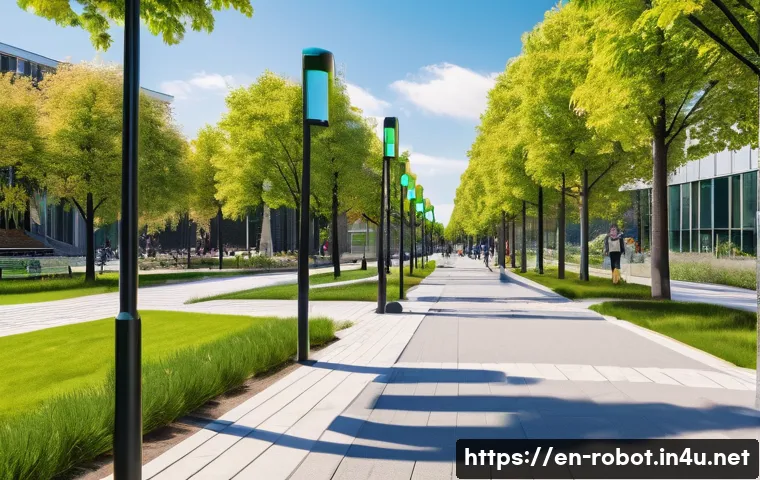
The synergy of robotics and software isn’t just about individual machines; it’s about creating interconnected systems that form the backbone of our smart cities and infrastructures.
Imagine autonomous vehicles communicating with smart traffic lights to optimize flow and reduce congestion, or robotic systems inspecting bridges and pipelines for maintenance without human intervention, all coordinated by intelligent software networks.
This creates efficiencies that were previously unimaginable. From my perspective, the integration of IoT (Internet of Things) devices with robotic elements, all managed by robust software platforms, is creating a living, breathing urban environment.
It’s about more than just convenience; it’s about sustainability, safety, and creating a more responsive and efficient world. The potential for these smart infrastructures to revolutionize urban living, making cities greener, safer, and more pleasant, is truly immense and something I find incredibly inspiring to watch unfold.
Ethical Code: Navigating the Future of Intelligent Systems
The Moral Compass: Building Trustworthy AI and Robotics
As we push the boundaries of what robots and intelligent software can do, an equally important conversation emerges: how do we ensure these powerful technologies are developed and used ethically?
This isn’t just an academic debate; it’s a practical necessity for building public trust and ensuring a positive future. From my perspective, ensuring transparency in AI algorithms – understanding *why* a robot made a certain decision – is paramount.
We also need to consider bias in data sets, which can lead to discriminatory outcomes if not carefully managed. It’s about instilling a “moral compass” into the code itself, designing systems that prioritize safety, fairness, and human well-being.
This responsibility falls squarely on the shoulders of developers, policymakers, and indeed, all of us who engage with these technologies. It’s a complex challenge, but one that absolutely must be addressed proactively rather than reactively, especially as robots become more autonomous.
Safeguarding Our Future: Security and Privacy in the Robotic Age
With increasing connectivity and autonomy comes the critical need for robust security and privacy measures. Just as our computers and smartphones are targets for cyber threats, so too are intelligent robots and the networks they operate within.
Imagine the implications of a hacked autonomous vehicle or a compromised medical robot – the risks are enormous. From my own exploration into this area, it’s clear that security must be designed into these systems from the ground up, not as an afterthought.
This includes secure communication channels, encryption of sensitive data, and rigorous authentication processes. Furthermore, as robots collect vast amounts of data about our environments and behaviors, ensuring user privacy is non-negotiable.
Developers and manufacturers have a huge responsibility to implement strong data governance policies. It’s a constant arms race against potential threats, requiring continuous vigilance and innovation to protect both the systems and the people they serve.
Leveling Up: Skills for a Robotic Future
Your Gateway to Innovation: Essential Skills for Tomorrow’s Workforce
If you’re looking at the incredible growth in robotics and software and thinking, “How can I be a part of that?” you’re in luck! This field is bursting with opportunities, and the demand for skilled professionals is only going to skyrocket.
From my perspective, a strong foundation in programming languages like Python, C++, and Java is absolutely crucial, as these are the backbone of most robotic systems and AI development.
Beyond just coding, understanding data structures, algorithms, and object-oriented programming paradigms will give you a significant edge. But it’s not just about technical skills.
Critical thinking, problem-solving, and a good grasp of mathematics (especially linear algebra and calculus for things like robot kinematics and motion planning) are invaluable.
The ability to collaborate across disciplines – with mechanical engineers, electrical engineers, and even ethicists – is also becoming increasingly important.
It’s a dynamic field that rewards continuous learning and adaptability.
Beyond the Keyboard: The Soft Skills That Make a Difference
While technical prowess is non-negotiable, what I’ve consistently observed in successful teams in this space are the incredible soft skills that complement the hard ones.
The ability to communicate complex ideas clearly, both verbally and in writing, is vital, especially when you’re working on interdisciplinary projects.
Creativity is another huge one – thinking outside the box to solve novel problems that arise when pushing the boundaries of technology. Furthermore, a strong sense of curiosity and a passion for learning are absolutely essential because this field evolves at an astonishing pace.
You can’t just learn a skill once and be done; you have to constantly update your knowledge and adapt to new tools and methodologies. From my own experience, having a growth mindset and the resilience to tackle challenging bugs or design flaws is what truly sets top performers apart.
It’s a marathon, not a sprint, and persistence is key.
| Skill Category | Key Competencies | Why It’s Important in Robotics/Software |
|---|---|---|
| Programming Languages | Python, C++, Java, ROS (Robot Operating System) | These are the foundational languages for developing robot control, AI, and perception systems. |
| Mathematics & Algorithms | Linear Algebra, Calculus, Control Theory, Machine Learning Algorithms | Essential for robot kinematics, sensor data processing, intelligent decision-making, and AI model development. |
| Hardware Understanding | Electronics, Mechanics, Sensor Integration, Actuators | Crucial for understanding how software interacts with physical components and troubleshooting integrated systems. |
| Problem-Solving & Critical Thinking | Debugging, System Design, Analytical Skills | Indispensable for identifying and resolving complex issues in highly integrated, real-time systems. |
| Collaboration & Communication | Teamwork, Technical Writing, Presentation Skills | Robotics projects are highly interdisciplinary, requiring seamless interaction between various experts. |
The Next Frontier: AI, Machine Learning, and Robotic Evolution
Learning Machines: Powering the Future of Robotics
It’s impossible to talk about the cutting edge of robotics without delving deeply into Artificial Intelligence (AI) and Machine Learning (ML). These aren’t just buzzwords; they are the engines driving the next generation of robotic capabilities.
From my perspective, traditional programming for robots often involved explicit instructions for every possible scenario, which quickly becomes unmanageable in complex, dynamic environments.
Enter AI and ML. These technologies allow robots to learn from data, perceive their surroundings with unprecedented accuracy, and make autonomous decisions based on experience.
Think of a robot arm that learns to grasp new objects without explicit programming, or an autonomous vehicle that learns to navigate complex traffic patterns through observation.
It’s truly transformative, pushing robots beyond mere automation into genuine intelligent assistance. The ability of these systems to adapt and improve over time is what makes them so incredibly powerful and, frankly, a little awe-inspiring to witness.
Beyond Autonomy: Collaborative and Human-Centric Robots
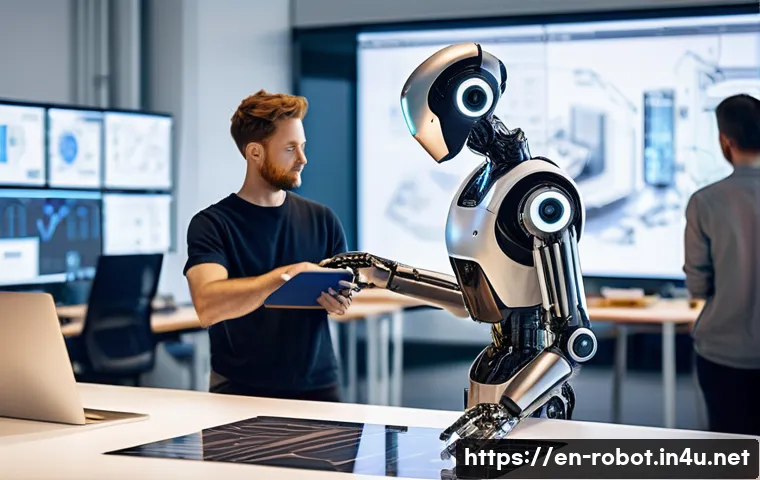
While full autonomy is a significant goal, the future of robotics, heavily influenced by intelligent software, is also very much about collaboration. We’re seeing a huge shift towards “cobots” – collaborative robots that work safely and effectively alongside humans in shared workspaces.
This isn’t about replacing people; it’s about augmenting human capabilities, handling repetitive or dangerous tasks while allowing humans to focus on more complex, creative, or nuanced work.
From what I’ve observed, the software behind these cobots is incredibly sophisticated, incorporating advanced safety features, intuitive human-robot interaction interfaces, and real-time environment perception to ensure seamless and secure collaboration.
It’s about creating intelligent tools that enhance human potential. This human-centric approach, driven by empathetic software design, is what I believe will truly unlock the widespread adoption and societal benefits of robotics in the years to come, making them indispensable partners rather than mere machines.
My Take: What I’ve Learned from the Bleeding Edge
Personal Reflections: The Thrill of Watching Innovation Unfold
If there’s one thing I’ve taken away from years of observing, learning about, and sometimes even getting my hands dirty with robotics and software development, it’s the sheer dynamism of the field.
It’s a never-ending journey of innovation, and honestly, that’s what makes it so incredibly exciting to be a part of. I remember struggling with a particularly stubborn piece of code trying to get a small drone to stabilize, and the feeling of elation when it finally worked perfectly was just unmatched.
It’s that blend of technical challenge and tangible results that keeps me coming back for more. What I’ve really come to appreciate is not just the brilliance of the individual technologies, but how they intersect and amplify each other.
Robotics without smart software is just inert metal, and powerful software needs a physical vessel to interact with the world. It’s this intricate dance that paints such a compelling picture of our technological future.
The Human Element: Our Role in Shaping the Robotic Tomorrow
Despite all the incredible advancements, I truly believe the most crucial element in this entire equation remains the human one. It’s our creativity, our problem-solving skills, and our ethical considerations that ultimately guide where this technology goes.
We’re the ones writing the code, designing the hardware, and, most importantly, deciding the applications and implications. As I’ve navigated this ever-evolving landscape, I’ve often thought about the responsibility that comes with such powerful tools.
It’s not just about building smarter machines; it’s about building a smarter, more equitable future *with* machines. This field isn’t just for engineers and developers; it needs thinkers from all walks of life – ethicists, artists, policymakers, and community leaders – to ensure that this incredible power is harnessed for good.
That’s why I’m always so thrilled to share these insights; because by understanding what’s happening, we can all contribute to shaping a truly amazing robotic tomorrow.
Closing Thoughts
And there you have it, folks! What an incredible journey we’ve taken through the fascinating world where software breathes life into robots. It’s truly a dynamic and rapidly evolving landscape, and I hope my deep dives and personal insights have painted a clearer picture of just how intertwined these two fields are. From the intricate code that dictates a robot’s every move to the ethical considerations guiding their development, it’s clear that the future isn’t just about building smarter machines, but about thoughtfully integrating them into our lives. I’m always so invigorated by the sheer ingenuity on display, and honestly, seeing these innovations unfold firsthand is nothing short of thrilling. Let’s keep exploring this exciting frontier together!
Useful Information to Know
1. Starting Your Journey in Robotics/Software: If you’re feeling inspired to jump into this field, remember that a solid foundation in mathematics (especially linear algebra) and programming languages like Python and C++ is your golden ticket. Many universities offer specialized degrees, but there are also fantastic online courses and bootcamps that can get you started quickly.
2. Open-Source Resources are Your Friend: The robotics community thrives on collaboration! Projects like ROS (Robot Operating System) provide incredible open-source tools and frameworks that allow you to experiment and build without reinventing the wheel. It’s a fantastic way to gain practical experience and see how real-world robotic systems are put together.
3. Networking is Key: Attending industry conferences, webinars, and joining online forums are invaluable. I’ve learned so much just by connecting with other enthusiasts and professionals. The insights you gain from someone who’s actively working on the bleeding edge can be truly game-changing for your own understanding and career.
4. Practical Experience Trumps Theory: While theoretical knowledge is essential, nothing beats getting your hands dirty. Whether it’s building a small robot kit at home, contributing to an open-source project, or interning at a robotics company, practical application will solidify your understanding and make you stand out.
5. Stay Curious and Adaptable: This field moves at lightning speed. What’s cutting-edge today might be commonplace tomorrow. Cultivating a mindset of continuous learning, being open to new technologies, and adapting your skills will ensure you remain relevant and at the forefront of innovation.
Key Takeaways
Ultimately, the synergy between robust software and sophisticated hardware is what defines modern robotics, driving innovation across every sector from healthcare to space exploration. Our role as humans, whether as developers, users, or policymakers, is absolutely critical in shaping an ethical and beneficial robotic future. Remember, it’s not just about the technology itself, but about how we thoughtfully and responsibly integrate these intelligent systems to enhance our lives and build a smarter, more connected world. The possibilities are truly endless, and it’s a journey we’re all embarking on together.
Frequently Asked Questions (FAQ) 📖
Q: With all the buzz around robots and
A: I, it sometimes feels like something out of a sci-fi movie. What’s one of the biggest misconceptions people still have about robotics and software development today, in your experience?
A1: Oh, absolutely! I totally get that sci-fi vibe – it’s easy to picture a world straight out of a blockbuster. But from what I’ve seen, and honestly, what I’ve personally experienced talking to folks, the biggest misconception by far is that robots and advanced software are here to replace us, especially in the workforce.
It’s a natural fear, right? We see headlines, and our minds jump to these incredible machines doing everything. However, what I’ve found in reality is that they’re overwhelmingly designed to augment human capabilities, to handle the repetitive, dangerous, or super precise tasks that we either don’t want to do, or simply can’t do as efficiently.
Think about it: a robot in a factory can lift heavy objects all day without injury, allowing a human worker to focus on quality control, problem-solving, or more intricate assembly.
Or in healthcare, AI can sift through mountains of data to help doctors diagnose faster, but it’s still the human doctor providing that crucial empathy and personalized care.
It’s less about a showdown between humans and machines, and more about a really powerful partnership that lets us all achieve more. It’s been amazing to witness how many new roles are actually being created because of this tech, jobs focused on managing, designing, and even teaching these systems.
Q: This field sounds incredibly exciting and frankly, a bit intimidating for someone new. For those of us who aren’t coding wizards or robotics engineers, how can we actually get involved or start understanding this rapid transformation in a meaningful way?
A: That’s a fantastic question, and one I hear all the time! It’s true, the jargon can feel like a secret language sometimes, but honestly, you don’t need a Ph.D.
in AI to start engaging with this space. My personal advice, based on diving into countless new tech trends, is to start small and be curious. First, find an area that genuinely fascinates you.
Is it smart homes? Healthcare tech? Creative arts with AI?
Once you have a focus, there are so many incredible free and low-cost resources online. Platforms like Coursera, edX, or even YouTube offer fantastic introductory courses that break down complex concepts into digestible pieces.
I’ve personally taken a few myself and was amazed at how accessible they made things. Beyond formal learning, just playing around with consumer tech can teach you a lot.
Ever tried setting up a smart home routine or experimenting with a basic coding app on your phone? These everyday interactions build intuition. And crucially, don’t underestimate the power of simply reading and watching documentaries.
Following tech blogs (like this one, wink wink!), podcasts, and news outlets that simplify these topics can keep you updated without needing to code a single line.
The key is consistent exposure and a willingness to learn, even if it’s just 15 minutes a day. Trust me, you’ll be surprised how quickly you start connecting the dots!
Q: You mentioned smart homes and groundbreaking medical tech earlier. Can you dive a bit deeper and share some of the most exciting, perhaps unexpected, ways robotics and software are changing our daily lives right now that maybe not everyone is aware of?
A: Absolutely! It’s wild how much is happening behind the scenes that we might not even consciously register. Beyond the obvious like our smartphones and smart speakers, which are incredible, I’ve personally been blown away by the impact in areas you might not immediately think of.
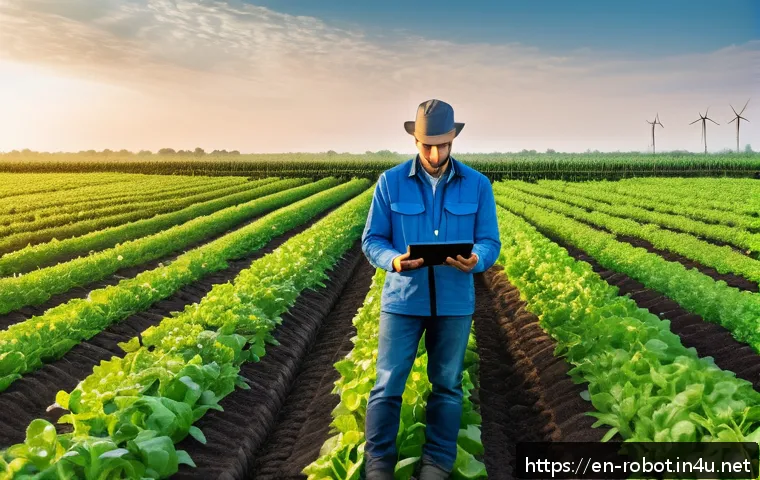
Take agriculture, for instance. Robotics and AI are revolutionizing farming by enabling precision agriculture, where drones and autonomous tractors monitor crops, identify diseases, and even water plants individually.
This means less waste, healthier food, and ultimately, a more sustainable future. Another area that genuinely excites me is personalized learning. Imagine software that adapts teaching methods to each individual student’s learning style and pace, something I wish I had when I was in school!
It’s not just about online classes; it’s about intelligent tutoring systems that really understand how you learn best. And for something truly unexpected, consider how robotics is making art more accessible.
We’re seeing robot arms that can precisely recreate famous paintings or even create entirely new digital art pieces, pushing the boundaries of creativity.
From transforming how we grow our food and educate our children to expanding artistic expression, the reach of robotics and software is so much broader and more fascinating than just factory floors.
It truly feels like every corner of our lives is getting a subtle, yet powerful, upgrade.